

Choosing toothpaste and mouthwash can get confusing when terms like “chemical-free” appear on almost every shelf. For health-conscious shoppers in the UK and Germany who want gentle, fluoride-free solutions for sensitive gums, marketing claims do not always match the science. By uncovering what “chemical-free” really means and highlighting the importance of ingredient transparency, you will discover how to select oral care products that are genuinely safe and effective for your everyday routine.
Table of Contents
- Chemical-Free Oral Products Defined And Debunked
- Key Ingredients In Natural Dental Solutions
- How Chemical-Free Products Support Oral Health
- Scientific Evidence Behind Natural Oral Care
- Comparing Risks: Chemical-Based Vs. Natural Choices
Key Takeaways
| Point | Details |
|---|---|
| Misleading Terminology | The term ‘chemical-free’ is misleading as all substances, including natural ones, are chemicals. Be cautious of marketing claims that create confusion about product safety. |
| Focus on Ingredients | Look for transparency in ingredient lists and certifications rather than relying on vague ‘chemical-free’ labels. Detailed ingredients provide better insight into product safety and effectiveness. |
| Natural Alternatives | Plant-based and bioactive compounds are effective for oral health and have fewer side effects compared to synthetic additives. They support the body’s natural processes without causing irritation. |
| Potential Risks of Chemicals | Chemical-based products may pose systemic health risks, including endocrine disruption and irritation, which are less likely with natural formulations. Choose products carefully to avoid these risks. |
Chemical-Free Oral Products Defined and Debunked
The term “chemical-free” has become ubiquitous in oral care marketing, but it’s fundamentally misleading. All matter, including water and salt, consists of chemicals—both natural and synthetic.
Marketing uses “chemical-free” to suggest products lack synthetic ingredients or harmful additives. However, this terminology creates confusion because naturally occurring substances are still chemicals, just from different sources.
What “Chemical-Free” Actually Means
When companies label products as “chemical-free,” they typically mean one of two things:
- Products contain no synthetic or lab-created ingredients
- Products avoid specific harmful substances like fluoride, parabens, or sulfates
The confusion stems from how consumers interpret the term. Research into product labeling practices reveals widespread public misconception about chemical-free claims, with many people failing to recognize that natural ingredients are also chemicals.
The Real Problem: Marketing Misinformation
Studies examining chemical-free product marketing across consumer categories show that very few products are genuinely chemical-free. The term exploits the gap between scientific and everyday definitions of “chemical.”
Consumers often associate “chemical-free” with healthier, safer products. Manufacturers capitalize on this assumption, even when their products contain complex organic compounds derived naturally.
The distinction that matters isn’t whether a product contains chemicals—it’s whether it contains synthetic additives or proven harmful substances.
What You Should Actually Look For
Instead of chasing “chemical-free” claims, focus on ingredient transparency:
- Full ingredient lists that identify each component by name
- Third-party certifications from independent testing organizations
- Clinical backing from peer-reviewed research on specific ingredients
- Absence of known irritants like artificial preservatives or synthetic dyes
Products formulated with plant-based compounds and naturally derived minerals offer meaningful alternatives to conventional oral care. Unlike vague marketing claims, these specifics actually tell you what you’re using.
Breaking Down the Terminology Gap
The scientific definition of “chemical” encompasses everything. Water is a chemical. Calcium is a chemical. Dead Sea minerals are chemicals—just naturally occurring ones with demonstrated oral health benefits.
When evaluating oral products, ignore the “chemical-free” label entirely. Instead, examine whether the formula avoids synthetic fragrances, artificial colorants, and questionable preservatives while maintaining proven effectiveness.
Many health-conscious consumers in Germany and the UK have moved beyond marketing buzzwords toward non-toxic dental care approaches that prioritize ingredient integrity and scientific validation.
Pro tip: Read the complete ingredient panel rather than relying on front-label claims. Transparency about what’s actually in the product matters far more than whether marketing calls it “chemical-free.”
Key Ingredients in Natural Dental Solutions
Natural oral care products work because they contain bioactive compounds that address dental health at the source. These ingredients don’t just mask problems—they actively support your teeth and gums.
The shift toward plant-based formulations reflects decades of research into what actually works. Unlike synthetic chemicals developed in laboratories, natural ingredients have been used for oral health across cultures for centuries, now validated by modern science.
Plant Extracts and Antimicrobial Power
Plant-based antimicrobial additives like propolis and herbal extracts provide proven protection against harmful bacteria. These compounds are inexpensive to source, completely non-toxic, and deliver antimicrobial effects comparable to—or exceeding—synthetic alternatives.
Propolis, a resin collected by honeybees, contains hundreds of bioactive compounds. It reduces bacterial colonization, prevents plaque formation, and supports gum tissue health without the irritation associated with chemical antimicrobials.
Mineral Compounds for Strength and Restoration
Dead Sea minerals deliver concentrated salts and trace elements that strengthen tooth structure. These minerals don’t simply sit on the surface; they actively participate in remineralization processes.
The key minerals include:
- Calcium and magnesium for enamel hardness
- Sodium and potassium for mineral balance
- Zinc and iron for tissue healing
These work synergistically to support the natural remineralization cycle your teeth need to repair microscopic damage from daily use.

Bioactive Peptides and Natural Polyphenols
Natural bioactive substances like flavonoids and polyphenols protect collagen in your gums and promote mineral deposition in tooth structure. They inhibit demineralization—the process that weakens teeth over time—while enhancing tissue restoration.
These compounds work at the cellular level, not just on the surface. They stabilize collagen, prevent breakdown, and create an environment where your mouth’s natural healing mechanisms function optimally.
Here is a summary of how major natural oral health ingredients function and their specific benefits:
| Ingredient Type | Example Compounds | Primary Oral Health Benefit |
|---|---|---|
| Plant Extracts | Propolis, green tea | Inhibit bacteria, reduce inflammation |
| Mineral Complexes | Calcium, magnesium, zinc | Restore enamel, strengthen teeth |
| Polyphenols & Peptides | Flavonoids, bioactive peptides | Promote healing, protect gums |
Natural ingredients work with your body’s biology, not against it—supporting processes that teeth and gums are designed to handle naturally.
Why These Ingredients Matter for Sensitive Gums
Health-conscious individuals with sensitive gums benefit significantly from natural dental product safety profiles. Plant extracts and minerals cause minimal irritation compared to synthetic surfactants and artificial preservatives.
The absence of harsh chemicals means:
- Reduced inflammation and sensitivity
- Faster healing of gum tissue
- No chemical buildup over time
- Compatibility with sensitive oral tissues
Consumers in the UK and Germany report noticing gum improvement within weeks of switching to naturally formulated products containing these ingredients.
Pro tip: Check product ingredient lists for propolis, plant extracts, and Dead Sea minerals specifically—these signal effective natural formulation over vague “herbal blend” claims.
How Chemical-Free Products Support Oral Health
Chemical-free oral products work through multiple biological mechanisms that your teeth and gums recognize and respond to naturally. Unlike synthetic formulations, these products support your mouth’s inherent ability to maintain health.
The evidence is clear: natural compounds deliver measurable improvements in cavity prevention, sensitivity reduction, gum health, and overall oral function without relying on fluoride or harsh additives.
Biomimetic Minerals and Enamel Restoration
Fluoride-free formulations containing biomimetic hydroxyapatite effectively prevent tooth decay and reduce dentin hypersensitivity. These calcium-phosphate-based compounds mirror the mineral structure of your natural teeth, allowing seamless integration into enamel.
Biomimetic minerals don’t just coat the surface. They bond with existing tooth structure and fill microscopic gaps, restoring strength from within. Clinical studies confirm these products perform comparably to fluoride while remaining completely non-toxic.
Anti-Inflammatory and Antimicrobial Action
Herbal compounds address oral inflammation and bacterial overgrowth simultaneously. Plant-based remedies contain antimicrobial, anti-inflammatory, and antioxidant properties that combat multiple oral health issues at once.
These natural substances work through distinct pathways:
- Kill pathogenic bacteria without disrupting beneficial microbiome balance
- Reduce swelling and redness in gum tissue
- Neutralize oxidative stress from bacterial byproducts
- Promote faster healing of damaged oral tissues
Supporting Your Oral Microbiome
Herbal remedies manage gingivitis and periodontitis by restoring healthy bacterial balance rather than destroying everything indiscriminately. Your mouth contains hundreds of bacterial species—many essential for protection and digestion.
Synthetic antimicrobials often eliminate beneficial bacteria alongside harmful ones, disrupting the ecosystem that keeps your mouth healthy. Natural products selectively target pathogens while preserving protective microorganisms.
Real Benefits You’ll Experience
Consumers switching to chemical-free products report these changes within weeks:
- Reduced gum bleeding and swelling
- Decreased tooth sensitivity to temperature
- Improved breath quality
- Healthier gum color and texture
- No chemical aftertaste or dryness
Implementing safer oral hygiene practices using natural products means your daily routine actively supports health rather than managing problems.
Natural chemical-free products don’t fight your mouth—they support what your mouth is designed to do.
Why Sensitive Gums Respond Better
Individuals with sensitive gums often experience irritation from synthetic surfactants and preservatives. Chemical-free formulations eliminate these irritants while delivering active compounds that actually reduce sensitivity.
Your gum tissue heals faster without chemical stress, inflammation decreases more rapidly, and protective minerals strengthen teeth from root to crown.
Pro tip: Switch gradually if your mouth is accustomed to conventional products—give natural formulations three weeks before evaluating results, as your oral microbiome requires time to rebalance.
Scientific Evidence Behind Natural Oral Care
Natural oral care isn’t a trend based on marketing hype—it’s grounded in rigorous scientific research comparing effectiveness, safety, and biological outcomes against conventional products. The evidence demonstrates that plant-based formulations deliver real results.
Recent systematic reviews validate what practitioners have observed for centuries: natural ingredients work. The research quantifies exactly how, why, and in what contexts they outperform synthetic alternatives.
Clinical Efficacy Comparable to Conventional Products
Natural ingredients like neem, green tea, and propolis demonstrate comparable efficacy to conventional agents in managing plaque-induced gingivitis. A 2025 systematic review directly compared natural versus conventional toothpastes and mouthwashes, finding no meaningful difference in effectiveness.
What distinguishes natural products is safety. These botanical compounds achieve the same clinical outcomes while producing fewer adverse effects than chemical alternatives like chlorhexidine.
Scientific Mechanisms Behind Plant Extracts
Phytochemical research explains exactly how botanical compounds protect oral tissue. Plants contain hundreds of bioactive molecules that our mouths recognize and respond to.
Key mechanisms include:
- Antimicrobial action that selectively eliminates pathogenic bacteria
- Anti-inflammatory response reducing tissue swelling and redness
- Antioxidant protection neutralizing harmful free radicals
- Immunomodulation supporting your mouth’s natural defense systems
These aren’t isolated benefits—they work synergistically, addressing multiple oral health issues simultaneously.
Evidence from Laboratory and Clinical Studies
Herbal remedies for oral health are now substantiated by both pharmacological data and clinical outcomes. Traditional knowledge combined with modern scientific inquiry demonstrates that natural products function as legitimate alternatives to conventional dental treatments.
Research validates specific botanical ingredients used in natural oral care formulations. Scientists measure antimicrobial potency, identify active compounds, and document healing outcomes in clinical settings.
Why Fewer Adverse Effects Matter
Conventional antimicrobials like chlorhexidine work effectively but cause side effects: staining, altered taste, irritation, and oral tissue damage with prolonged use. Natural products achieve comparable bacterial reduction without these complications.
For individuals with sensitive gums or chemical sensitivities, this distinction proves critical. Understanding the science behind natural toothpaste reveals why effectiveness and tolerability aren’t opposing qualities.
Science validates what intuition suggests: products aligned with your body’s biology work better and cause fewer problems.
Real-World Application and Safety Profiles
Systematic reviews examining safety data reveal that natural formulations rarely produce adverse reactions. The compounds your mouth encounters are ones human biology has processed for millennia.
This doesn’t mean all natural products are identical. Research quality varies, and efficacy depends on:
- Ingredient concentration and purity
- Extraction methods preserving active compounds
- Formulation stability and shelf life
- Consistency across batches
Scientifically validated products maintain these standards, delivering predictable results batch after batch.
Pro tip: Verify that natural oral care products you select are backed by published peer-reviewed research, not just marketing claims—this distinction separates evidence-based natural products from unsubstantiated alternatives.
Comparing Risks: Chemical-Based vs. Natural Choices
When choosing oral care products, the risk comparison extends beyond surface-level effectiveness. Chemical-based formulations deliver results but carry documented side effects and systemic health concerns that natural alternatives simply don’t present.
Understanding what you’re actually exposing your mouth—and body—to matters significantly when making daily health decisions.
Local Side Effects: Conventional vs. Natural
Conventional chemical-based products like chlorhexidine and fluoride cause predictable oral side effects. These include mucosal irritation, staining, altered taste, and tissue damage that compounds with prolonged use.
Systematic reviews directly comparing products reveal a critical distinction: natural oral care products demonstrate comparable efficacy while producing significantly fewer adverse reactions in the mouth.
For individuals with sensitive gums or chemical sensitivities, this difference shapes daily comfort and oral tissue health dramatically.
To clarify the different approaches between chemical-based and naturally-formulated oral products, here is a comparison table:
| Feature | Conventional Chemical-Based | Naturally Formulated |
|---|---|---|
| Key Purpose | Target bacteria and strengthen enamel | Support oral ecosystem and promote healing |
| Common Ingredients | Fluoride, chlorhexidine, parabens | Plant extracts, minerals, polyphenols |
| Side Effects | Taste changes, staining, irritation | Minimal irritation, highly tolerable |
| Systemic Health Risks | Possible endocrine or neuro effects | Very low systemic risk |
| Regulatory Scrutiny | Traditional standards | Consumer-driven transparency |
Systemic Health Risks from Chemical Ingredients
What happens in your mouth doesn’t stay isolated. Oral tissues absorb compounds directly into your bloodstream, making ingredient safety a whole-body concern.
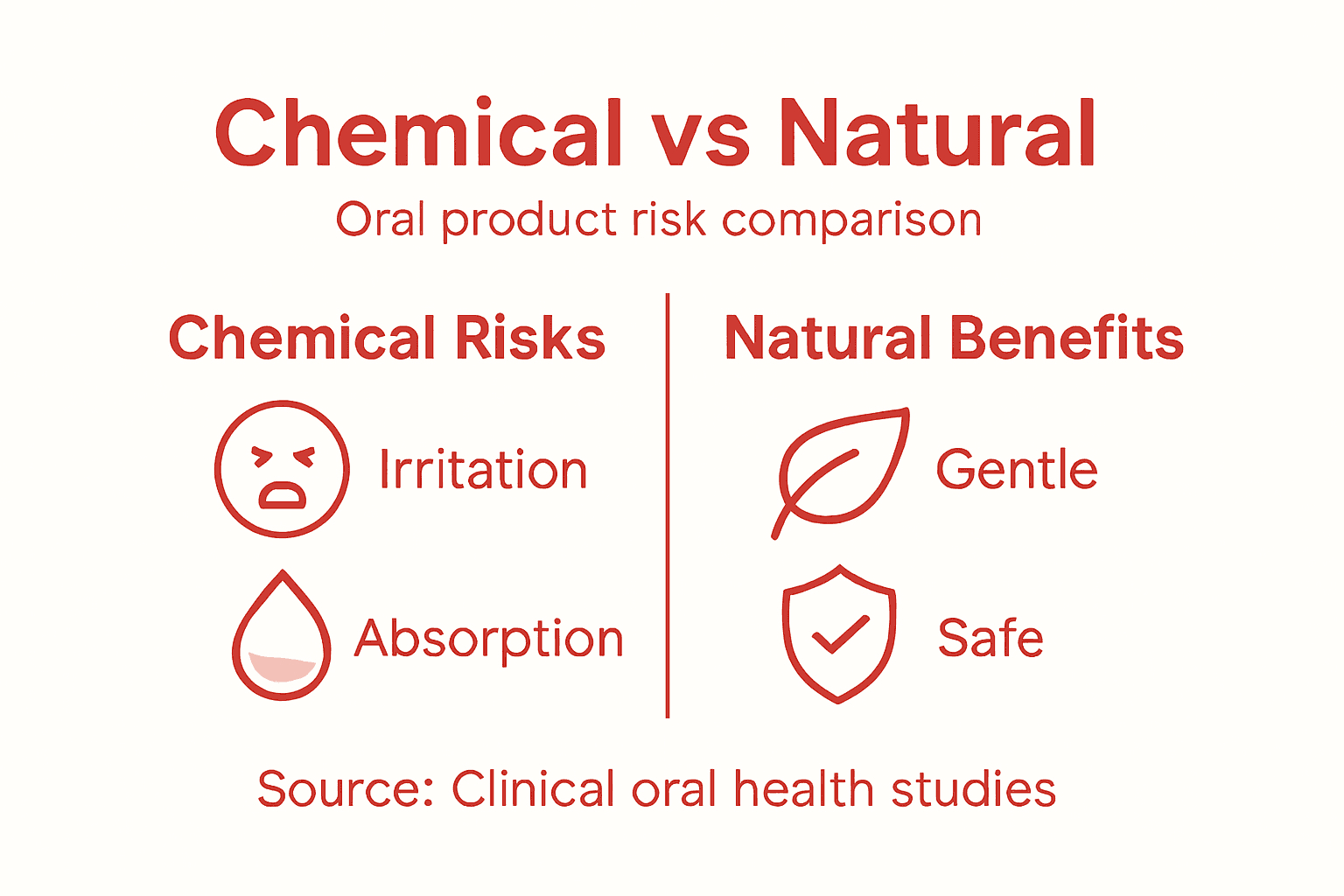
Common chemical ingredients like triclosan, fluoride, alcohol, and parabens present documented systemic health risks including endocrine disruption, neurotoxicity, and carcinogenicity. These aren’t theoretical concerns—they’re identified through extensive research into how these chemicals accumulate in body tissues.
Understanding Chemical Accumulation
Your mouth absorbs approximately 25-30% of ingredients you apply topically. Daily exposure to synthetic chemicals means consistent, cumulative absorption over months and years.
Key risks from conventional products:
- Endocrine disruption affecting hormone function and metabolism
- Neurotoxic effects impacting cognitive and neurological function
- Carcinogenic potential from prolonged chemical exposure
- Allergic sensitization developing over time with repeated use
Natural ingredients don’t accumulate in the same way because your body recognizes and processes them through established biological pathways.
Why Natural Products Avoid These Risks
Plant-based formulations work with your biology rather than against it. Botanical compounds have been processed by human systems for thousands of years, making them biochemically compatible with your oral tissues and bloodstream.
This doesn’t mean all natural products are identical. Choosing safe oral products requires understanding ingredient origins and manufacturing standards, but the risk profile fundamentally differs from synthetic chemicals.
Chemical-based products may work effectively, but effectiveness without safety represents an unacceptable tradeoff for long-term health.
The Regulatory Gap
Conventional oral care products operate within regulatory frameworks that often lag behind emerging safety research. Ingredients approved decades ago remain in use despite newer evidence of health concerns.
Natural products face stricter scrutiny from informed consumers who demand transparency about sourcing, extraction, and testing. This market pressure drives higher standards than regulatory minimums often require.
Pro tip: Prioritize products that provide third-party testing documentation and ingredient sourcing information—this transparency indicates manufacturers confident enough in safety profiles to verify their claims independently.
Embrace Safer Smiles with Chemical-Free Oral Care Today
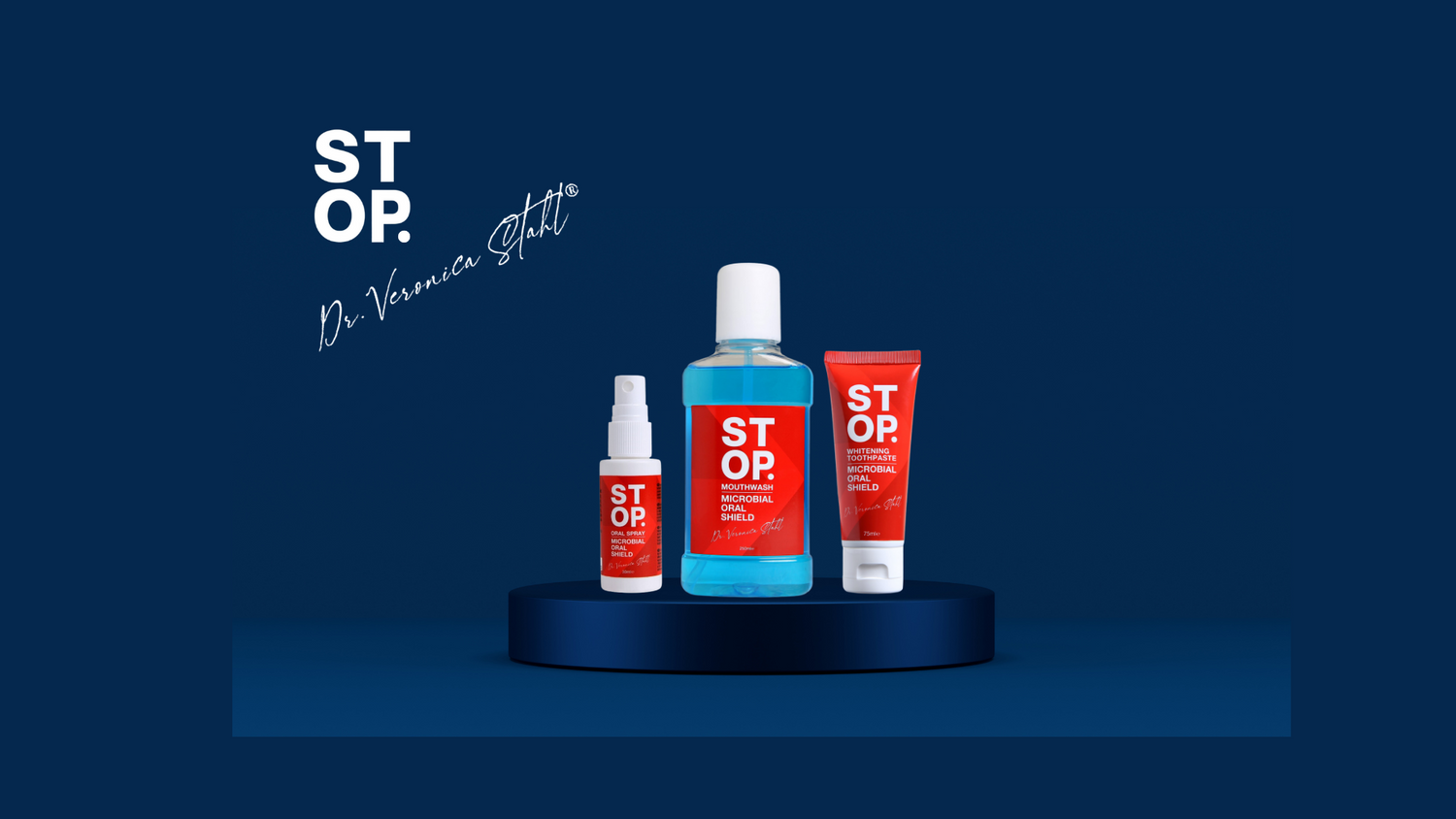
If you are tired of harsh chemicals irritating your sensitive gums and want to switch to truly natural solutions backed by science explore our unique line at STOP Oral Care – Stop Oral Care. Our fluoride-free products harness the healing power of hemp and Dead Sea minerals to support your mouth’s natural biology while avoiding synthetic additives that cause irritation and long-term health concerns.

Discover the difference of oral products designed to work with your body not against it. Take control of your oral health now by visiting https://stop-oralcare.com to shop our innovative formulations. Join thousands who have found relief from sensitivity and inflammation with natural, safe, and scientifically proven dental care. Your mouth deserves the best—make the switch today.
Frequently Asked Questions
What does ‘chemical-free’ mean in oral care products?
The term ‘chemical-free’ implies that a product does not contain synthetic or lab-created ingredients, or it avoids specific harmful substances. However, it is essential to understand that all matter, including naturally occurring substances, is comprised of chemicals.
Are chemical-free oral products safe for sensitive gums?
Yes, chemical-free oral products often contain natural ingredients that cause minimal irritation compared to synthetic ingredients. They support healing and reduce inflammation, making them suitable for individuals with sensitive gums.
How do natural ingredients in oral products benefit dental health?
Natural ingredients, such as plant extracts and minerals, provide bioactive compounds that actively promote oral health. They inhibit harmful bacteria, reduce inflammation, and strengthen enamel without the side effects associated with synthetic chemicals.
Why should I choose natural dental care products over conventional ones?
Natural dental care products often have a better safety profile, producing fewer adverse effects while still being effective in managing oral health issues. They work with your body’s biology to support natural healing and maintain a healthy oral ecosystem.
Recommended
- How to Transition to Natural Oral Care Naturally and Safely – Stop Oral Care
- How to Switch to Fluoride-Free Dental Care Naturally – Stop Oral Care
- Sustainable Oral Care: Benefits and Best Practices – Stop Oral Care
- Eco-Friendly Oral Hygiene: Transforming Dental Routines – Stop Oral Care
- Buying Health Products Online | UK Food Intolerance | Blog
- 10 Tips for Living a Healthier and Happier Life