

You’ve probably seen sodium lauryl sulfate listed on your toothpaste tube and wondered if it’s safe. Many health-conscious consumers worry about this common ingredient, especially after reading conflicting information online. The truth is nuanced: while SLS is generally safe for most people, it can cause irritation in sensitive mouths. This guide cuts through the confusion with evidence-based answers about what SLS actually is, how it affects oral health, who should avoid it, and which natural alternatives deliver effective cleaning without harsh chemicals.
Table of Contents
- What Is Sodium Lauryl Sulfate (SLS) And Why Is It Used In Oral Care?
- Is Sodium Lauryl Sulfate Safe For Oral Health? The Scientific Consensus
- How SLS Affects Sensitive Mouths: Irritation, Canker Sores, And Oral Microbiome
- Natural And Gentler Alternatives To SLS In Toothpaste And Oral Care
- Explore Healthy Oral Care Options With Stop Oral Care
- What Is SLS In Oral Care? Frequently Asked Questions
Key takeaways
| Point | Details |
|---|---|
| SLS creates foam | This anionic surfactant helps toothpaste foam and spread, improving debris removal and user experience. |
| Generally safe | Regulatory bodies classify SLS as safe at low concentrations used in rinse-off oral products. |
| Can irritate sensitive mouths | Some individuals experience increased canker sores, dryness, and delayed healing from SLS exposure. |
| Natural alternatives exist | Gentle surfactants like sodium cocoyl glutamate provide effective cleaning with less irritation potential. |
| Individual response varies | Healthy mouths typically tolerate SLS well, while sensitive oral tissue benefits from SLS-free formulas. |
What is sodium lauryl sulfate (SLS) and why is it used in oral care?
SLS stands for sodium lauryl sulfate, an anionic surfactant used in toothpaste at 1-3% concentration as a foaming and cleaning agent. This chemical compound belongs to the sulfate family and works by reducing surface tension between liquids and solids. When you brush, SLS creates the familiar foam that makes toothpaste feel effective.
Manufacturers include SLS in oral care products for several functional reasons. The compound excels at breaking down and lifting away food particles, bacteria, and plaque from tooth surfaces. Its molecular structure allows one end to attract water while the other binds to oils and debris, making it highly effective at removing substances that water alone cannot eliminate.
The concentration range matters significantly for both safety and performance. Most commercial toothpastes contain 1-3% SLS, carefully balanced to maximize cleaning power while minimizing irritation risk. Higher concentrations would increase foaming but also raise the likelihood of adverse effects on oral tissues.
SLS reduces surface tension, aids debris removal, improves fluoride bioavailability, and enhances plaque control. These benefits explain why the ingredient remains popular despite growing consumer interest in natural alternatives. The foaming action serves multiple purposes:
- Creates psychological satisfaction that cleaning is occurring
- Distributes active ingredients evenly across tooth surfaces
- Helps toothpaste reach interdental spaces and gum lines
- Assists in suspending and rinsing away loosened debris
The user experience component shouldn’t be underestimated. Many consumers associate foam with cleanliness and effectiveness, even though foam itself doesn’t clean teeth. This perception drives product formulation decisions across the oral care industry.
SLS also plays a supporting role in delivering other beneficial ingredients. By improving the spread and penetration of toothpaste, it helps fluoride, remineralizing agents, and antimicrobial compounds reach tooth enamel more effectively. This synergistic effect contributes to overall oral health outcomes beyond simple mechanical cleaning.
For those exploring gentler options, understanding SLS-free toothpaste benefits helps clarify whether switching makes sense for your specific oral health needs.
Pro Tip: Don’t judge toothpaste effectiveness by foam amount. Low-foam or foam-free products can clean just as effectively when paired with proper brushing technique and adequate brushing time.
Is sodium lauryl sulfate safe for oral health? The scientific consensus
SLS is generally safe at low concentrations per FDA, ECHA, and NIH standards, and is not classified as carcinogenic by the International Agency for Research on Cancer. These regulatory positions provide reassurance for the vast majority of toothpaste users who will never experience adverse effects from SLS exposure.
The safety evaluation process for oral care ingredients involves rigorous testing across multiple dimensions. Regulators examine acute toxicity, chronic exposure effects, potential for systemic absorption, and impacts on oral tissues specifically. SLS has passed these evaluations when used at concentrations typical in rinse-off products like toothpaste and mouthwash.
However, laboratory research reveals a more complex picture. In vitro studies show SLS cytotoxicity and membrane disruption in oral cells at higher concentrations than those found in commercial products. These findings indicate that SLS can damage cell membranes and prove toxic to oral epithelial cells under certain conditions.
The gap between laboratory findings and real-world use matters significantly. In vitro studies expose cells directly to test substances for extended periods, unlike the brief contact that occurs during normal brushing. Your mouth also has protective mechanisms like saliva production, tissue turnover, and immune responses that laboratory cell cultures lack.
“While SLS demonstrates safety in regulatory testing at typical use concentrations, individual susceptibility varies significantly based on oral tissue sensitivity, existing conditions, and exposure duration.”
This expert perspective highlights the personalized nature of SLS tolerance. Most people can use SLS-containing toothpaste daily without issues. Their oral mucosa remains healthy, and they experience no discomfort or adverse reactions.
Yet a subset of users experiences genuine problems. These individuals may have:
- Thinner or more permeable oral mucosa
- Pre-existing inflammatory conditions
- Genetic variations affecting tissue sensitivity
- Compromised barrier function in mouth tissues
For these sensitive users, even regulatory-approved concentrations can trigger irritation, discomfort, or other unwanted effects. The compound’s ability to disrupt lipid membranes becomes clinically relevant when tissue barriers are already vulnerable.
Those seeking gentler options should explore safe toothpaste for sensitive teeth that eliminates potential irritants while maintaining cleaning effectiveness.
The scientific consensus acknowledges both safety and nuance. SLS earns regulatory approval and works well for most people, but it’s not universally benign. Individual biology determines whether you fall into the majority who tolerate it easily or the minority who benefit from avoiding it.
How SLS affects sensitive mouths: irritation, canker sores, and oral microbiome
Recurrent aphthous stomatitis, commonly called canker sores, affects approximately 20% of the population with varying frequency and severity. These painful ulcers appear on the soft tissues inside the mouth and can significantly impact quality of life when they occur repeatedly.
Research directly links SLS exposure to increased canker sore problems. Meta-analysis from 2019 shows SLS-free toothpaste reduces ulcers, episodes, duration, and pain of recurrent aphthous stomatitis. This finding provides strong evidence that removing SLS from oral care routines helps susceptible individuals reduce their ulcer burden.

The mechanism behind this connection involves SLS’s effects on the protective mucin layer covering oral tissues. This surfactant strips away the mucin barrier, leaving underlying epithelial cells more vulnerable to irritation, trauma, and ulceration. Without adequate protection, minor injuries from eating or brushing can more easily develop into full canker sores.
SLS can cause oral mucosa irritation, dryness, peeling, and delayed wound healing in sensitive individuals. These symptoms extend beyond canker sores to include general discomfort and tissue changes that affect daily life.
Common manifestations of SLS sensitivity include:
- Persistent dry mouth sensation despite adequate hydration
- Tissue sloughing or peeling, especially on inner cheeks
- Burning or tingling sensations after brushing
- Slower healing of minor oral injuries
- Increased sensitivity to acidic or spicy foods
The oral microbiome represents another area where SLS exerts influence. Your mouth hosts hundreds of bacterial species in delicate balance, with beneficial organisms keeping harmful ones in check. SLS’s antimicrobial properties don’t discriminate between good and bad bacteria, potentially disrupting this ecosystem.
When beneficial bacteria populations decline, opportunistic pathogens can flourish. This imbalance may contribute to bad breath, increased cavity risk, and gum inflammation. The surfactant’s impact on microbial communities adds another dimension to its effects beyond direct tissue irritation.
Individual biological variation explains why some people brush with SLS-containing toothpaste for decades without problems while others develop issues quickly. Factors influencing your response include genetic makeup, baseline oral health, immune function, and environmental stressors.
Healthy mouths with robust protective mechanisms typically handle SLS exposure without difficulty. The mucin layer regenerates quickly, tissues resist irritation, and the microbiome maintains stability despite surfactant exposure.
Sensitive mouths lack these protective advantages. Thinner mucosa, slower healing, compromised barriers, or reactive immune responses make SLS exposure more problematic. For these individuals, switching to gentler alternatives often brings noticeable relief.
Exploring natural care for sensitive mouths provides comprehensive strategies beyond just changing toothpaste ingredients.
Pro Tip: If you experience frequent canker sores, try switching to SLS-free toothpaste for at least 3 months before concluding whether it helps. Ulcer frequency often decreases gradually rather than stopping immediately.
Natural and gentler alternatives to SLS in toothpaste and oral care
The oral care market now offers numerous surfactant alternatives that provide effective cleaning with reduced irritation potential. Common SLS alternatives include cocamidopropyl betaine, sodium lauroyl sarcosinate, and sodium cocoyl glutamate with milder foaming and less irritation. These compounds share SLS’s cleaning ability while demonstrating better compatibility with sensitive oral tissues.
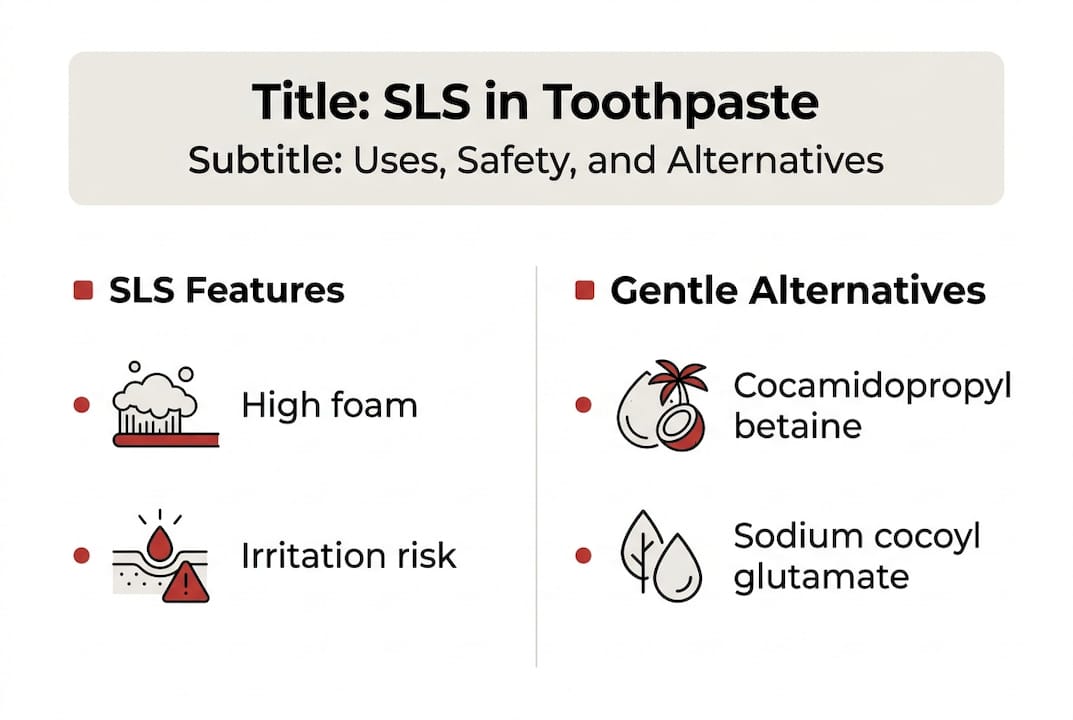
Cocamidopropyl betaine, derived from coconut oil, creates moderate foam and works synergistically with other surfactants. It carries amphoteric properties, meaning it can act as both an acid and a base depending on pH conditions. This versatility makes it gentle yet effective across different formulations.
Sodium lauroyl sarcosinate offers excellent cleaning power with minimal irritation. This amino acid-based surfactant biodegrades readily and demonstrates lower cytotoxicity in laboratory studies compared to SLS. Many sensitive-mouth formulas feature this ingredient as their primary foaming agent.
Sodium cocoyl glutamate represents one of the gentlest options available. Derived from coconut oil and fermented sugar, this surfactant produces minimal foam but cleans effectively. Its mild nature makes it ideal for individuals with severe sensitivity or compromised oral tissues.
Natural toothpastes often use xylitol, baking soda, calcium carbonate, and hydroxyapatite for gentle cleaning and remineralization. These ingredients approach oral care from a different angle, focusing on mechanical cleaning, pH balance, and enamel support rather than surfactant action.
| Feature | SLS | Cocamidopropyl Betaine | Sodium Cocoyl Glutamate | | — | — | — | | Foam intensity | High | Moderate | Low | | Irritation potential | Higher for sensitive users | Low to moderate | Very low | | Cleansing efficacy | Excellent | Very good | Good | | Natural origin | Synthetic | Coconut-derived | Coconut and sugar-derived |
Beyond surfactant alternatives, natural toothpastes incorporate ingredients that support oral health through different mechanisms. Xylitol, a sugar alcohol, inhibits bacterial growth and promotes remineralization. Baking soda provides gentle abrasion and neutralizes acids that damage enamel.
Calcium carbonate serves as a mild abrasive that polishes teeth without excessive wear. Hydroxyapatite, a naturally occurring mineral similar to tooth enamel, helps repair microscopic damage and reduce sensitivity. These ingredients work together to clean effectively while supporting long-term oral health.
Benefits of SLS-free natural toothpastes for sensitive mouths include:
- Reduced frequency and severity of canker sores
- Less dryness and tissue irritation
- Better preservation of protective mucin layer
- Gentler impact on oral microbiome balance
- Fewer burning or tingling sensations during and after brushing
Consumers should understand that lower foam doesn’t mean inferior cleaning. Mechanical action from brushing removes plaque and debris, not foam itself. Many people initially find low-foam toothpastes unsatisfying but adapt quickly once they recognize that clean teeth don’t require bubbles.
For those interested in specific product recommendations, guides on the best toothpaste without SLS and hydroxyapatite toothpaste benefits provide detailed comparisons and selection criteria.
Pro Tip: When switching to low-foam toothpaste, focus on brushing technique and duration rather than foam production. Set a two-minute timer and use gentle circular motions to ensure thorough cleaning regardless of suds.
Explore healthy oral care options with Stop Oral Care
If you’re ready to move beyond conventional oral care products, Stop Oral Care offers carefully formulated alternatives designed for sensitive mouths and health-conscious consumers. The company specializes in natural, SLS-free toothpaste and mouthwash options that deliver effective cleaning without harsh chemicals or irritating surfactants.
Each product combines innovative ingredients like hemp extracts and Dead Sea minerals with proven cleaning agents to support optimal oral health naturally. These formulations address the concerns discussed throughout this guide, from reducing canker sore frequency to preserving beneficial oral bacteria.
Explore the full range of gentle, scientifically backed oral care solutions at Stop Oral Care and discover how natural ingredients can transform your daily routine. Whether you struggle with sensitivity, seek fluoride-free options, or simply want to minimize chemical exposure, you’ll find products aligned with your values and needs.
What is SLS in oral care? Frequently asked questions
What does SLS stand for in toothpaste?
SLS stands for sodium lauryl sulfate, a synthetic surfactant that creates foam and helps distribute cleaning agents across tooth surfaces. Manufacturers include it at 1-3% concentration to improve user experience and cleaning effectiveness.
Can SLS in toothpaste cause canker sores?
Yes, research shows SLS increases canker sore frequency, duration, and pain in susceptible individuals. Switching to SLS-free toothpaste often reduces ulcer occurrence for those prone to recurrent aphthous stomatitis.
Is SLS-free toothpaste as effective as regular toothpaste?
SLS-free toothpaste cleans just as effectively when formulated with appropriate alternative surfactants and abrasives. The foam SLS creates doesn’t actually clean teeth; mechanical brushing action and active ingredients do the work.
What are the best natural alternatives to SLS in oral care?
Sodium cocoyl glutamate, cocamidopropyl betaine, and sodium lauroyl sarcosinate offer gentle cleaning with less irritation. Natural ingredients like xylitol, baking soda, and hydroxyapatite also support oral health without surfactants.
Who should avoid SLS in toothpaste?
People with frequent canker sores, dry mouth, tissue sensitivity, or oral irritation benefit most from avoiding SLS. If you experience burning, peeling, or discomfort after brushing, try switching to an SLS-free formula.
Where can I find SLS-free mouthwash options?
Many natural oral care brands now offer SLS-free mouthwash formulated with gentle ingredients. For comprehensive guidance on selecting and even making your own, check out this SLS-free mouthwash guide with benefits, top picks, and recipes.
Recommended
- What is SLS free toothpaste? Healthier oral care in 2026 – Stop Oral Care
- SLS-Free Toothpaste Benefits: A Gentler Clean – Stop Oral Care
- Understanding SLS Free Mouthwash: Benefits, Top Picks, and DIY Recipes – Stop Oral Care
- Why Safety Matters in Oral Health Choices – Stop Oral Care
- Ortodontisk Behandling Steg för Steg – Komplett Guide