

If you’ve ever winced from a sip of cold water or felt sharp pain while brushing, you understand how tooth and gum sensitivity disrupts daily life. Many people with sensitive mouths unknowingly worsen their discomfort by using harsh oral care products loaded with irritating chemicals. This guide reveals natural, fluoride-free best practices that reduce sensitivity effectively while promoting lasting oral health. You’ll learn how to prepare properly, follow gentle care routines, avoid common mistakes, and track your progress toward a more comfortable smile.
Table of Contents
- Understanding Sensitive Mouths And Preparation Essentials
- Step-By-Step Guide To Natural, Fluoride-Free Oral Care For Sensitive Mouths
- Common Mistakes And How To Avoid Them
- Monitoring Progress And Expected Results With Sensitive Mouth Care
- Discover Gentle Oral Care Solutions For Sensitive Mouths
- Frequently Asked Questions
Key takeaways
| Point | Details |
|---|---|
| Natural care reduces sensitivity | Gentle, fluoride-free products minimize irritation and support healing for sensitive teeth and gums. |
| Proper tools matter | Soft-bristled toothbrushes and chemical-free products protect delicate oral tissues from damage. |
| Consistency brings relief | Daily routines with careful technique promote gradual, lasting comfort improvements. |
| Avoid harsh chemicals | Eliminating abrasive ingredients and irritants prevents sensitivity flare-ups and supports gum health. |
Understanding sensitive mouths and preparation essentials
Sensitive teeth and gums develop from multiple causes that affect millions of people. Enamel erosion exposes the underlying dentin layer, creating pathways for temperature and pressure sensations to reach nerve endings. Gum recession pulls tissue away from tooth roots, leaving vulnerable areas exposed to stimuli. Inflammation from bacteria or trauma further intensifies discomfort and makes everyday activities painful.
Many conventional oral care products contain ingredients that aggravate sensitivity rather than relieve it. Harsh detergents like sodium lauryl sulfate strip protective layers from gums. Abrasive whitening agents wear down enamel over time. For some individuals, fluoride itself triggers irritation and inflammation in already compromised tissues. Switching to natural, fluoride-free alternatives addresses these concerns while delivering effective cleaning and protection.
Proper preparation sets the foundation for successful sensitive mouth care. Selecting safe toothpaste represents your first critical decision. Look for formulations with gentle, plant-based ingredients and natural minerals that strengthen teeth without causing irritation. Hemp extracts and Dead Sea minerals offer anti-inflammatory benefits that soothe sensitive tissues. Avoid products containing artificial sweeteners, synthetic dyes, or aggressive foaming agents.
Your toolkit should include these essential items:
- Extra-soft or soft-bristled toothbrush with rounded tips
- Natural, fluoride-free toothpaste formulated for sensitivity
- Alcohol-free mouthwash with soothing botanical ingredients
- Gentle dental floss or interdental brushes
- Optional oral spray for targeted relief between brushing
Understanding ingredient safety helps you make informed choices. This comparison shows which common toothpaste components support or harm sensitive mouths:
| Ingredient | Safe for Sensitivity | Reason |
|---|---|---|
| Hemp extract | Yes | Anti-inflammatory properties reduce gum irritation |
| Dead Sea minerals | Yes | Strengthen enamel and support tissue healing |
| Sodium lauryl sulfate | No | Harsh detergent strips protective mucous membranes |
| Hydrogen peroxide | No | Bleaching agent irritates sensitive gum tissue |
| Xylitol | Yes | Natural sweetener that inhibits harmful bacteria |
| Artificial flavors | No | Synthetic compounds may trigger allergic responses |
Pro Tip: Before purchasing any oral care product, scan the ingredient list for words ending in “sulfate” or “peroxide” and avoid them if you experience sensitivity. Natural alternatives work just as effectively without the harsh side effects.
Step-by-step guide to natural, fluoride-free oral care for sensitive mouths
Establishing a consistent, gentle routine transforms oral health for people with sensitivity. These detailed steps minimize discomfort while maximizing cleaning effectiveness and long-term protection.
- Wet your soft-bristled toothbrush with lukewarm water, never hot or cold extremes that trigger sensitivity.
- Apply a pea-sized amount of natural, fluoride-free toothpaste designed for sensitive mouths.
- Hold the brush at a 45-degree angle to your gumline using a gentle grip, not a tight fist.
- Use small circular motions with light pressure, allowing the bristles to do the work without forcing.
- Brush all tooth surfaces for two full minutes, dividing your mouth into quadrants for thorough coverage.
- Rinse your mouth with room-temperature water, swishing gently to remove debris.
- Follow with natural mouthwash for 30 seconds, avoiding vigorous swishing that irritates gums.
- Floss carefully between teeth using a gentle sawing motion, never snapping the floss into tender gum tissue.
- Apply targeted oral spray to particularly sensitive areas if needed for extra relief.
- Repeat this complete routine twice daily, ideally after breakfast and before bed.
Natural mouthwashes provide antibacterial benefits without the burning sensation of alcohol-based products. Ingredients like aloe vera, chamomile, and mint oil soothe inflamed tissues while reducing harmful bacteria populations. The gentle formulation supports your mouth’s natural pH balance rather than disrupting it with harsh chemicals.
Diet plays a supporting role in managing sensitivity. Limit acidic foods and beverages that erode enamel, including citrus fruits, tomatoes, and carbonated drinks. When you do consume them, rinse with water afterward rather than brushing immediately, which can damage softened enamel. Avoid extremely hot or cold foods that trigger sharp pain in exposed areas.
Your oral care routine for sensitive teeth should feel comfortable, never painful. If any step causes discomfort, reduce pressure or switch to an even softer brush. The goal is thorough cleaning with maximum gentleness, creating conditions where sensitive tissues can heal over time.
Pro Tip: Set a timer for exactly two minutes when brushing to avoid the common mistake of rushing through your routine. Most people brush for only 45 seconds, missing crucial areas and reducing effectiveness.
Common mistakes and how to avoid them
Even well-intentioned individuals make errors that perpetuate or worsen mouth sensitivity. Recognizing these pitfalls helps you adjust your approach for better results and faster relief.
Using a hard or medium-bristled toothbrush ranks among the most damaging mistakes. Stiff bristles scrape away gum tissue and enamel, creating more sensitivity rather than reducing it. Replace your toothbrush every six to eight weeks, always choosing the softest option available. If bristles splay outward before that timeframe, you’re applying too much pressure.
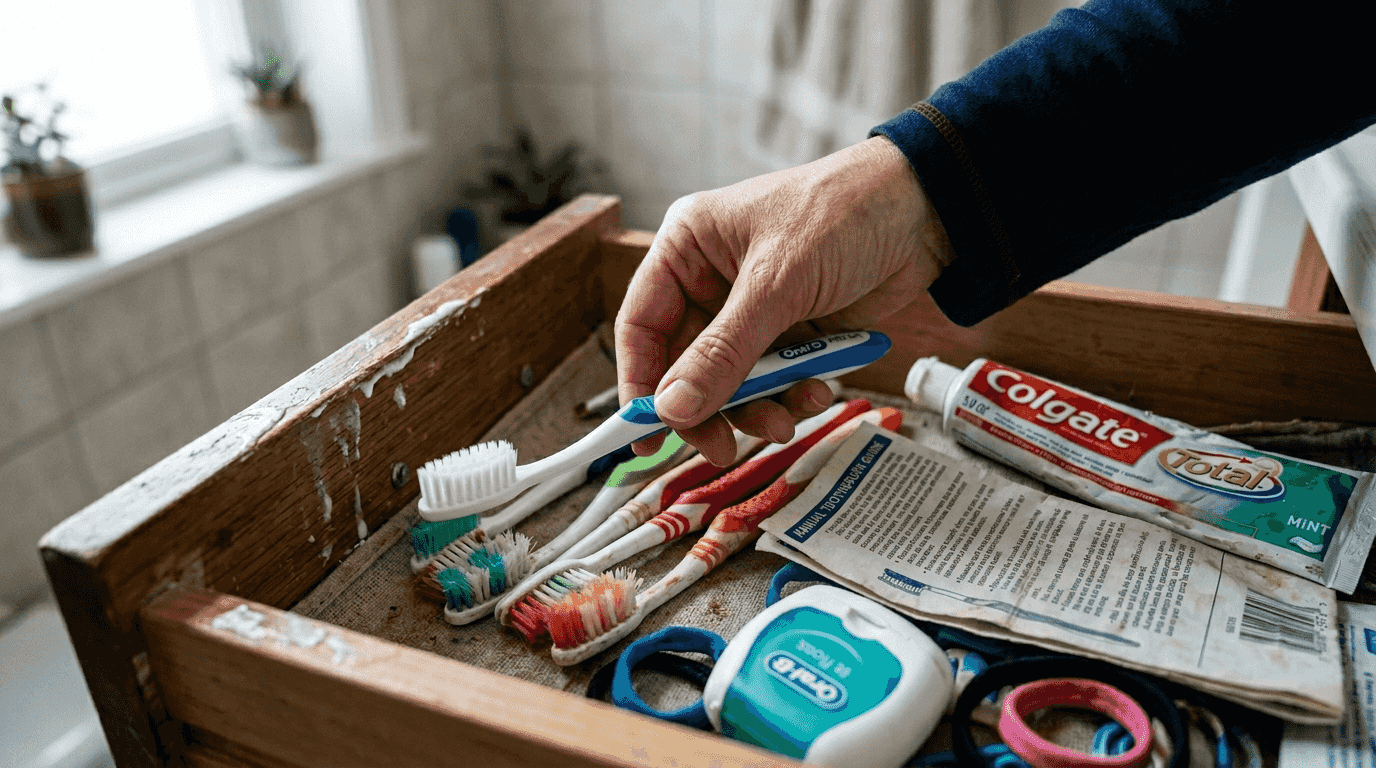
Aggressive brushing technique causes similar harm even with a soft brush. Many people believe scrubbing harder removes more plaque, but excessive force damages protective tissues and pushes gums away from teeth. Think of brushing as massaging rather than scouring. The circular motion and proper angle matter more than pressure intensity.
These common errors undermine sensitive mouth care:
- Brushing immediately after consuming acidic foods or drinks, which damages temporarily softened enamel
- Skipping nighttime brushing, allowing bacteria to multiply and irritate gums overnight
- Using whitening products that contain abrasive particles or bleaching chemicals
- Ignoring persistent sensitivity instead of addressing underlying causes
- Failing to replace oral care products when they expire or lose effectiveness
Gentle techniques and natural products form the foundation of effective sensitive mouth care, allowing tissues to heal rather than sustaining ongoing damage.
Neglecting regular dental checkups represents another critical mistake. Professional monitoring helps identify problems like cavities, gum disease, or enamel erosion before they progress. Your dentist can also verify that your home care routine addresses your specific sensitivity causes. Following an oral health checklist ensures you cover all essential care aspects.
Some people give up on natural products too quickly, expecting instant results. While certain relief may occur within days, meaningful sensitivity reduction typically requires several weeks of consistent care. Your mouth needs time to heal from previous damage and adapt to gentler treatment. Patience and persistence pay off with lasting comfort improvements.
Overusing desensitizing products creates dependency without addressing root causes. These products often work by blocking nerve signals temporarily rather than healing damaged tissues. Natural approaches take longer initially but provide sustainable results by supporting your mouth’s inherent healing capacity.
Monitoring progress and expected results with sensitive mouth care
Tracking improvements helps you stay motivated and adjust your routine for optimal outcomes. Sensitivity reduction rarely happens overnight, but consistent natural care produces measurable changes over weeks and months.
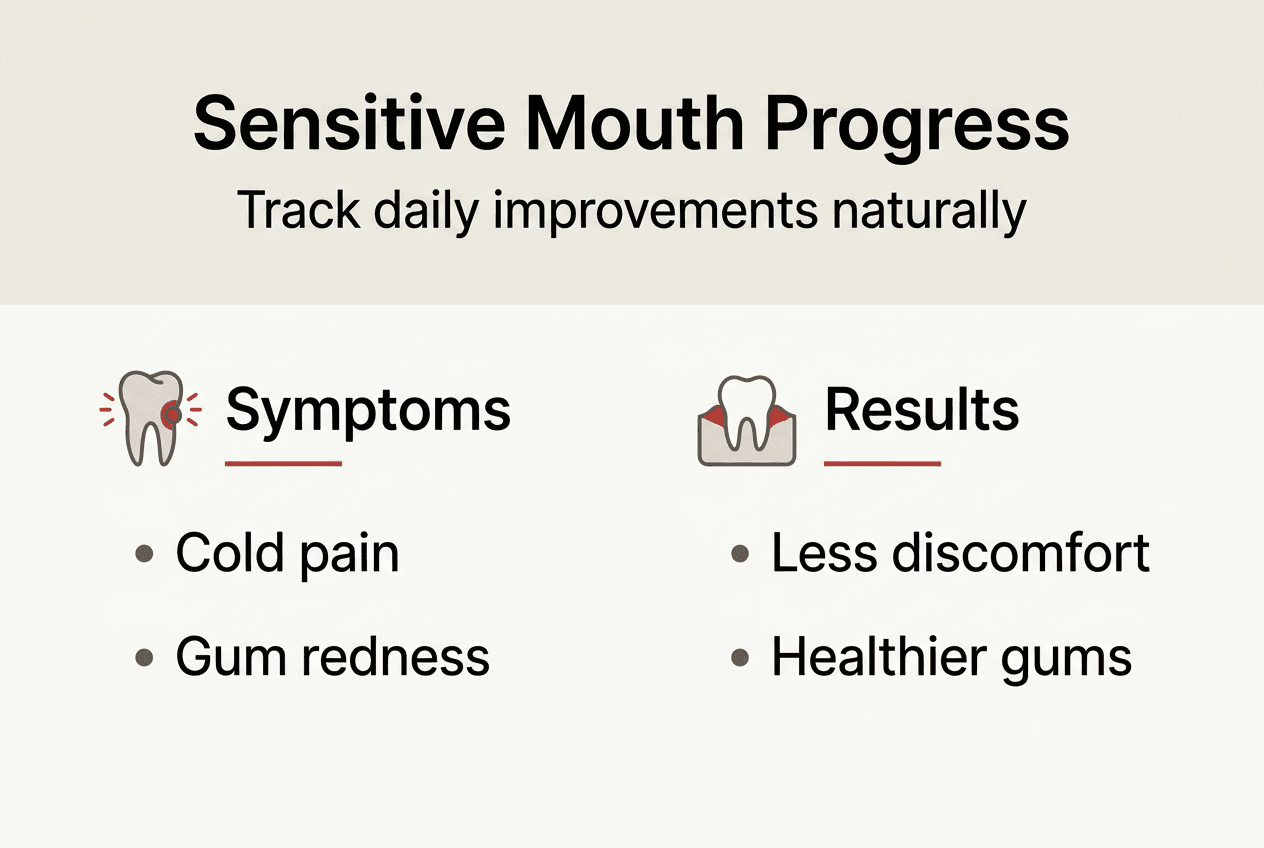
Most people notice initial improvements within two to three weeks of switching to gentle, fluoride-free products. You might find that certain triggers cause less discomfort or that pain intensity decreases. By six to eight weeks, many individuals experience significant relief during daily activities like eating and drinking. Consistent natural care supports gradual tissue healing and enamel strengthening.
This comparison illustrates typical symptom changes with proper sensitive mouth care:
| Symptom | Before Natural Care | After 8 Weeks |
|---|---|---|
| Cold sensitivity | Sharp pain with cold drinks | Mild discomfort or none |
| Brushing pain | Wincing during routine | Comfortable brushing |
| Gum inflammation | Red, swollen tissue | Pink, healthy appearance |
| Eating restrictions | Avoiding many foods | Enjoying varied diet |
| Overall comfort | Constant awareness of pain | Minimal daily impact |
Keeping a simple daily log accelerates progress by revealing patterns. Note which foods or activities trigger sensitivity and how your symptoms change over time. This information helps you identify remaining problem areas and celebrate improvements that might otherwise go unnoticed. Record observations about gum appearance, bleeding during flossing, and overall mouth comfort.
Pro Tip: Take photos of your gums and teeth when starting your natural care routine, then compare monthly. Visual evidence of reduced inflammation and healthier tissue color provides powerful motivation to maintain your new habits.
Adjust your routine based on results and feedback from your mouth. If certain areas remain sensitive, spend extra time on gentle care in those zones. Consider adding targeted treatments like oral sprays with soothing ingredients for stubborn spots. Some people benefit from using desensitizing toothpaste on specific teeth while maintaining natural products elsewhere.
Recognize when professional intervention becomes necessary. If sensitivity persists or worsens after three months of proper natural care, underlying issues like cavities, cracks, or severe gum disease may require dental treatment. Sharp, localized pain often indicates specific tooth damage rather than general sensitivity. Don’t hesitate to seek professional evaluation if home care doesn’t produce expected improvements.
Maintaining results requires ongoing commitment to gentle practices. Once sensitivity decreases, continue using natural, fluoride-free products rather than reverting to harsh alternatives. Your mouth has demonstrated its preference for gentle care through improved comfort. Respecting those needs ensures lasting relief and prevents sensitivity from returning.
Discover gentle oral care solutions for sensitive mouths
You’ve learned how natural, fluoride-free care transforms comfort for sensitive teeth and gums. Now it’s time to experience these benefits firsthand with products specifically formulated for your needs. Stop Oral Care offers a complete line of gentle oral health solutions designed by Dr. Veronica Stahl, combining hemp extracts and Dead Sea minerals for maximum effectiveness without harsh chemicals.

Our natural toothpaste, mouthwash, and oral sprays provide the soothing relief your sensitive mouth deserves. Each product undergoes rigorous testing to ensure safety and efficacy for even the most delicate tissues. Explore detailed care guides, routine recommendations, and expert insights at Stop Oral Care to support your journey toward lasting oral health and comfort. Your sensitive mouth will thank you for making the switch to products that truly understand your needs.
Frequently asked questions
What causes sensitive mouths?
Sensitive mouths develop when enamel wears thin or gums recede, exposing the underlying dentin and nerve pathways. Aggressive brushing, acidic foods, grinding teeth, and gum disease accelerate this process. Certain ingredients in conventional oral care products also irritate already compromised tissues, creating a cycle of discomfort.
How do natural oral care routines reduce sensitivity?
Natural, fluoride-free products eliminate harsh chemicals that irritate sensitive tissues while providing gentle cleaning and protection. Plant-based ingredients like hemp and minerals from the Dead Sea offer anti-inflammatory benefits that support healing. Soft-bristled brushes and proper technique prevent further damage, allowing your mouth to recover gradually.
What products should I avoid with sensitive teeth and gums?
Avoid toothpaste and mouthwash containing sodium lauryl sulfate, alcohol, hydrogen peroxide, or abrasive whitening agents. These ingredients strip protective layers and irritate inflamed tissues. Hard-bristled toothbrushes and aggressive flossing tools also cause unnecessary trauma. Choose gentle, natural alternatives formulated specifically for sensitivity.
How long before I notice improvement in mouth sensitivity?
Most people experience initial relief within two to three weeks of consistent natural care, with significant improvements appearing by six to eight weeks. The timeline varies based on sensitivity severity and underlying causes. Patience and daily commitment to gentle techniques produce the best long-term results.
Can diet affect tooth and gum sensitivity?
Yes, acidic foods and beverages erode enamel and worsen sensitivity over time. Citrus fruits, tomatoes, wine, and carbonated drinks soften enamel temporarily, making teeth vulnerable to damage. Extreme temperatures in foods also trigger discomfort. Limiting these items and rinsing with water after consumption helps protect sensitive areas.
Recommended
- 7 Oral Hygiene Tips 2026 for Natural, Sensitive Care – Stop Oral Care
- Natural Mouthwash Usage Guide for Sensitive Teeth – Stop Oral Care
- Oral Care Routine for Sensitive Teeth Naturally Explained – Stop Oral Care
- 7-Step Oral Hygiene Checklist for Adults Seeking Natural Care – Stop Oral Care
- How to Prepare for Detox Naturally: A Proven Guide | Glendora Recovery Center