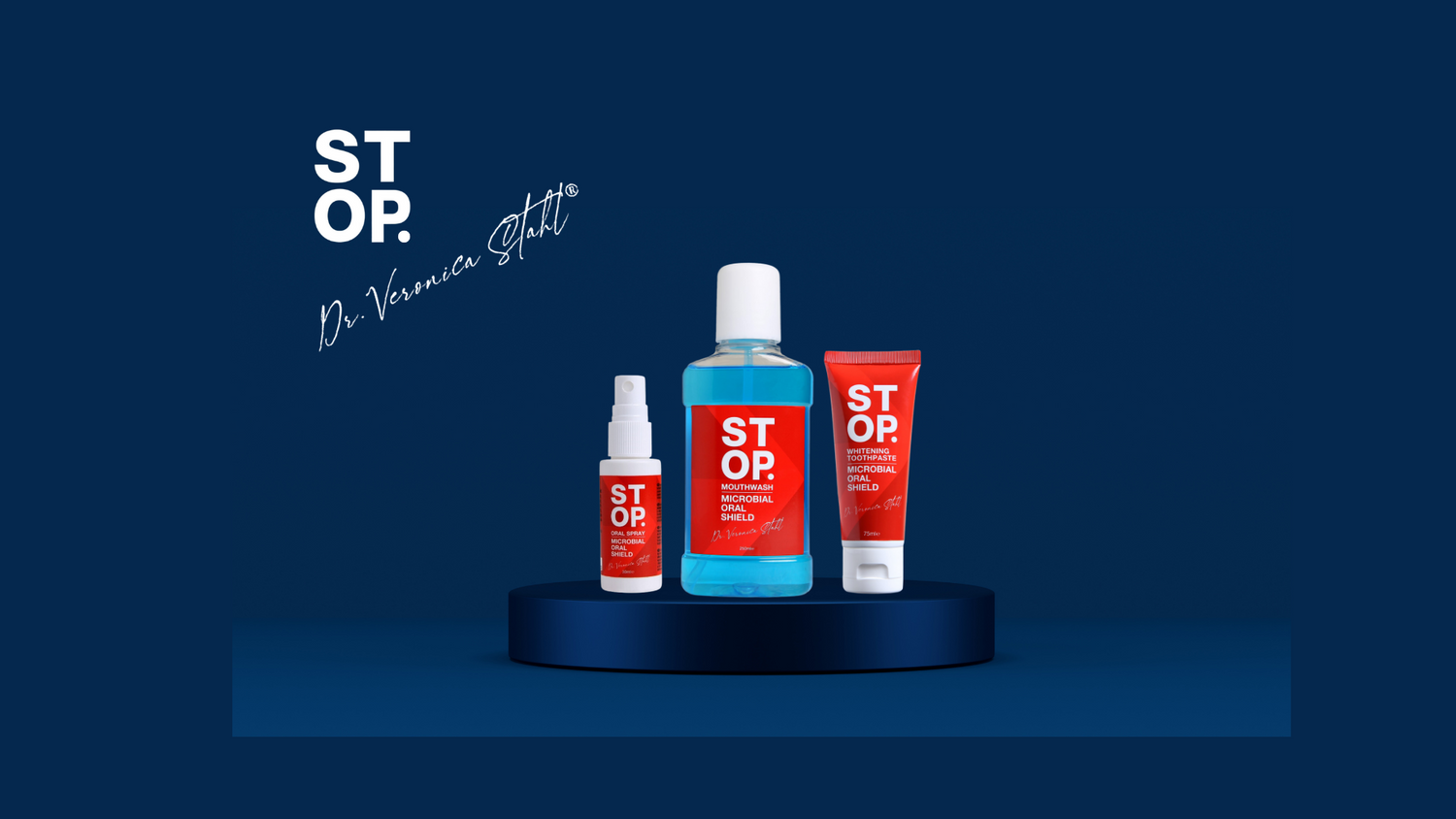


The fastest safe measures for wisdom tooth gum pain are a warm saltwater rinse multiple times daily, a cold compress for short periods every couple of hours, and an appropriate dose of ibuprofen or paracetamol. Seek urgent care for facial swelling, fever, or difficulty breathing or swallowing. We offer natural oral care products that can support a calming routine alongside these steps.
TL;DR:
- Mix half to one teaspoon of salt into eight ounces of water, then rinse gently for 30 seconds three to four times daily.
- Apply a cold compress to the cheek for 15 to 20 minutes every two hours; heat may worsen acute inflammation.
- Ibuprofen at 400 to 600 mg or paracetamol at 1,000 mg is commonly recommended every four to six hours, but label limits still apply.
- People with liver disease, NSAID allergies, or anticoagulant use should consult a pharmacist or physician before combining pain medicines.
- Natural products may soothe irritation, but evidence for hemp in oral tissue remains limited; neither products nor home remedies resolve infection or impaction.
Table of Contents
- What Causes Wisdom Tooth Gum Pain and Common Symptoms
- Immediate At-Home Relief: Step-by-Step Remedies to Reduce Pain and Inflammation
- OTC Analgesics and Safe Dosing for Acute Dental Pain
- Red Flags and When to Seek Urgent Care
- Prevention and Short-Term Aftercare Before Your Dental Visit
- Clinician-Backed Tips From Dr. Veronica Stahl
- Choosing and Using Natural Oral Care Products for Wisdom Tooth Pain
- How Hemp and Dead Sea Minerals May Help Calm Inflammation
- Natural Remedies Versus Conventional Treatments: What the Evidence Shows
- Building a Daily Routine With Natural Oral Sprays, Mouthwash, and Toothpaste
- Balancing Safe Self-Care and Timely Professional Treatment
- Where Stop Oral Care Fits: Supportive Products for Sensitive Gums
- FAQ
- Sources
What Causes Wisdom Tooth Gum Pain and Common Symptoms
Wisdom tooth gum pain typically stems from one of several overlapping conditions. As the tooth erupts through the gum tissue, the surrounding flap becomes inflamed and tender, a normal but uncomfortable part of the process. When that flap traps food particles and bacteria underneath it, the result is pericoronitis, an infection of the soft tissue around a partially erupted tooth. Impacted wisdom teeth, which lack room to emerge properly, place sustained pressure on neighboring structures and can cause more persistent discomfort. In more advanced cases, a dental abscess forms, producing a pocket of infection that intensifies pain and swelling.
The symptoms tend to follow a recognizable pattern:
- A red, swollen gum flap covering part of the erupting tooth
- A persistent bad taste or odor near the back of the mouth
- Localized pain that may radiate toward the ear or jaw
- Pain that comes and goes rather than staying constant
- Reduced ability to open the mouth fully, known clinically as trismus
Mild eruption-related inflammation often eases within a few days with basic self-care. Infection, however, tends to persist or worsen without proper care, and the NHS notes that pericoronitis in particular can progress to facial swelling or trismus if left unaddressed. Intermittent pain is sometimes mistaken for improvement, but clinicians caution that a pattern of recurring discomfort often signals worsening infection rather than resolution, according to NHS toothache guidance.
Immediate At-Home Relief: Step-by-Step Remedies to Reduce Pain and Inflammation
Several self-care measures work together to calm acute inflammation while you arrange a dental assessment.
- Mix a saltwater rinse. Dissolve half a teaspoon to one teaspoon of salt in 8 ounces of warm water, swish gently around the affected area for 30 seconds, and spit it out. Repeat three to four times daily, a frequency NHS guidance associates with reduced bacteria and soothed gum tissue. Our step-by-step salt water rinse guide covers timing and technique in more detail.
- Apply a cold compress. Hold it against the cheek over the sore area for 15 to 20 minutes, repeating every two hours as needed. Cold is generally preferred over heat during the acute inflammatory phase, since heat can increase swelling and encourage bacterial activity in infected tissue, per the same NHS source.
- Use a topical numbing gel sparingly. Benzocaine gels, available over the counter at pharmacies, provide temporary numbing but are not a substitute for professional cleaning of the area and should not be applied more often than the label allows.
- Adjust your oral hygiene routine. Brush softly near the inflamed site, avoid flossing directly against the sore gum flap, and rinse gently to clear any visible trapped food.
- Choose soft, cool foods. Yogurt, mashed vegetables, and lukewarm soups are easier to tolerate, while hot, spicy foods, alcohol, and tobacco tend to aggravate irritated tissue.
Pro Tip: Rinse with saltwater right after eating, not just on a fixed schedule, so trapped food doesn’t sit against the inflamed gum between rinses.
OTC Analgesics and Safe Dosing for Acute Dental Pain
Pain medication buys time and comfort while you arrange care, but it works best when dosed correctly.
- Ibuprofen 400 to 600 mg is commonly recommended as a first-line option for acute dental pain, taken every 4 to 6 hours and not exceeding the daily maximum printed on the label.
- Paracetamol (acetaminophen) 1,000 mg every 4 to 6 hours is another first-line option, particularly for people who cannot take NSAIDs.
- Combining the two can improve pain control beyond what either medication achieves alone, according to a peer-reviewed review of combination analgesics for acute dental pain.
NSAIDs and paracetamol are rated as first-line pharmacologic options for acute dental pain in that peer-reviewed analysis, which also notes that combining them can outperform either drug alone for short-term relief.
People with liver disease, NSAID allergies, or those taking anticoagulants face specific contraindications and should consult a pharmacist or physician before combining medications. Always read the label for maximum daily limits and check with a pharmacist if you take other prescriptions. Medication reduces symptoms, but it does not replace a dental assessment when the underlying cause is infection or impaction.
Red Flags and When to Seek Urgent Care
Most wisdom tooth discomfort responds to self-care within a short window, but certain signs mean you need professional attention without delay.
- Facial or neck swelling that is spreading rather than stable
- Fever alongside gum pain or swelling
- Difficulty breathing or swallowing
- Severe trismus, meaning you cannot open your mouth normally
- Uncontrolled bleeding from the gum tissue
- Pain that does not respond to appropriate doses of OTC medication
If your regular dentist or doctor is unavailable, calling 1733 connects you to local out-of-hours medical services for non-life-threatening urgent issues, according to FOD Volksgezondheid. For a genuine emergency, such as difficulty breathing, call 112 immediately. Once you reach a dentist, expect treatment tailored to the cause: antibiotics for active infection, drainage for an abscess, or extraction for a persistently impacted tooth.
Prevention and Short-Term Aftercare Before Your Dental Visit
Simple daily habits lower the odds of flare-ups while you wait for your appointment.
- Continue gentle saltwater rinses daily, even after acute pain subsides.
- Avoid aggressive brushing or flossing directly over the affected gum flap.
- Stop or reduce smoking, since tobacco slows healing and irritates inflamed tissue.
- Stick to a soft diet until the area feels less sensitive.
- Keep a brief log of symptoms and any medication taken, including doses and timing, to share with your dentist.
At your appointment, expect questions about pain frequency and severity, and be ready to ask about whether extraction, a short course of antibiotics, or simple monitoring fits your situation. Our clinician-backed 48 hour plan for tender gums outlines a short-term routine that pairs well with this preparation.
Clinician-Backed Tips From Dr. Veronica Stahl
Three practical habits support safer self-care: space saltwater rinses roughly two hours apart from topical gels so the ingredients do not dilute each other, pair gentle topical care with your scheduled analgesic doses rather than between them, and pause any new oral care product for 48 hours before a planned dental procedure so your dentist can assess tissue without interference. Fluoride-free, hemp and Dead Sea mineral formulations can fit gently into this kind of routine when used as directed.
Choosing and Using Natural Oral Care Products for Wisdom Tooth Pain
Not every natural product is formulated for inflamed, erupting gum tissue, so ingredient choice matters. Look for fluoride-free formulations that pair anti-inflammatory botanicals with mineral-rich components, since harsh detergents and strong flavoring agents like high concentrations of menthol can sting already irritated tissue. A soft-bristle-compatible toothpaste, an alcohol-free mouthwash, and a targeted oral spray each serve a different purpose: the toothpaste supports daily plaque control without abrasive friction, the mouthwash reaches tissue that brushing cannot, and the spray allows direct, localized application to the sore gum flap.
When selecting a product, check that it is free of sodium lauryl sulfate and added fluoride if you are specifically seeking a gentler, natural alternative, and confirm that any active botanical ingredient is listed with its concentration rather than buried in a generic “natural blend” label. Our practical guide to CBD and toothache relief walks through how to evaluate these ingredients before choosing a product. Apply any new product sparingly at first to confirm it does not irritate the area further, and always follow the usage directions printed on the packaging rather than applying more frequently in hopes of faster relief.
How Hemp and Dead Sea Minerals May Help Calm Inflammation
Hemp-derived compounds and Dead Sea minerals are often discussed together in natural oral care because they target inflammation through different mechanisms. Dead Sea minerals, particularly magnesium and potassium salts, are associated with mild anti-inflammatory and soothing effects on mucosal tissue, which is why they appear in rinses marketed for sensitive or irritated gums. Hemp-derived compounds, separately, interact with receptors involved in the body’s inflammatory response, and small studies suggest they may help ease localized discomfort, though research specific to oral tissue remains limited.
Neither ingredient is positioned as a cure for pericoronitis or an abscess. Their role is supportive: calming surface-level irritation and discomfort rather than resolving an underlying infection or impaction, which still requires dental evaluation. We formulate our toothpaste, mouthwash, and oral spray with both ingredient categories specifically because tender, erupting gum tissue benefits from a gentler approach than standard foaming, high-detergent formulas. For readers who want a deeper look at the gum inflammation process itself, our partner resource on common causes of gum inflammation offers additional background on how plaque and bacteria contribute to swelling.

Natural Remedies Versus Conventional Treatments: What the Evidence Shows
Conventional treatments, namely NSAIDs, paracetamol, antibiotics, and extraction, have the strongest evidence behind them for resolving active infection and controlling acute pain, as reflected in the peer-reviewed dosing guidance and NHS wisdom tooth resources. These are the tools that address the cause directly, whether that is bacterial infection or mechanical impaction.
Natural approaches, including saltwater rinses, cold compresses, and gentle hemp or mineral-based products, occupy a different and complementary role. Saltwater rinsing has direct support from NHS guidance for reducing bacteria and soothing tissue, making it one of the more evidence-backed natural measures available. Botanical ingredients like hemp extracts have more limited, still-developing research specific to oral inflammation. The safest framing is that natural remedies manage comfort and support tissue health day to day, while conventional treatment handles diagnosis and definitive resolution of infection or impaction. Using both together, rather than choosing one over the other, reflects how dental professionals generally advise patients to approach acute gum pain.
Building a Daily Routine With Natural Oral Sprays, Mouthwash, and Toothpaste
A simple routine keeps tender gums comfortable without overloading the tissue with too many products at once.
Start your morning with the toothpaste, using a soft-bristle brush and light pressure around the affected area. After breakfast, follow with the mouthwash, swishing for about 30 seconds to reach tissue a brush cannot. Midday, if the gum flap feels particularly sore, use the oral spray directly on the site for targeted, short-term relief between rinses. In the evening, repeat the toothpaste and mouthwash step, and consider a saltwater rinse afterward if inflammation feels elevated that day. Keep at least a two-hour gap between the spray and the mouthwash so neither product dilutes the other’s effect on the tissue.

This routine is meant to run alongside, not instead of, the OTC dosing and red-flag monitoring covered earlier. If swelling, fever, or worsening pain appear at any point in the routine, pause the natural products and seek dental assessment rather than continuing to self-treat.
Balancing Safe Self-Care and Timely Professional Treatment
Home remedies work well for the ordinary discomfort of an erupting wisdom tooth, but they are not designed to diagnose infection. I think the strongest approach treats saltwater rinses, cold compresses, and gentle natural products as a bridge to a dental appointment, not a replacement for one. Resources and products can be used to support that bridge, never to stand in for professional judgment when red flags appear.
— Veronica
Where Stop Oral Care Fits: Supportive Products for Sensitive Gums
A fluoride-free range provides tender, erupting gums a gentler option alongside the saltwater rinses and cold compresses covered above.
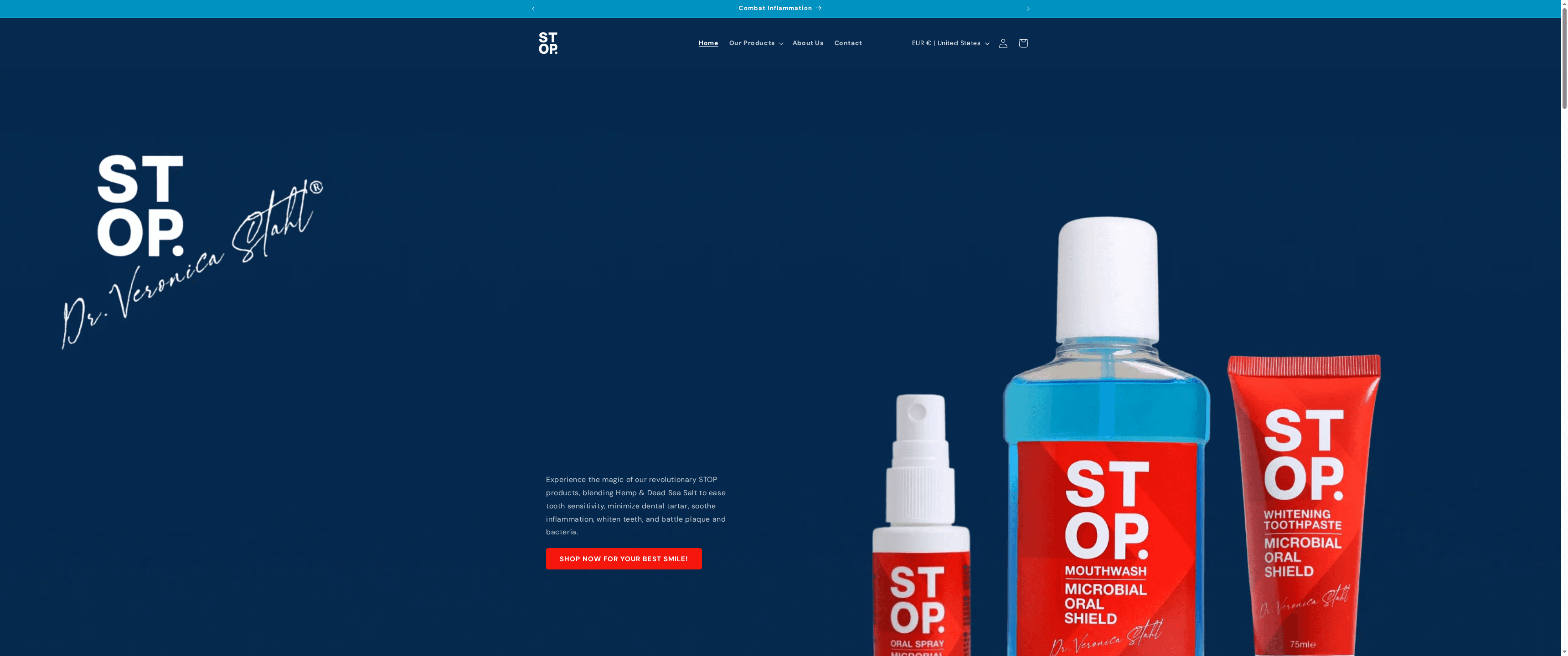
- STOP | Protective & Whitening Toothpaste, 12,99 €, for daily gentle brushing
- STOP | Mouthwash, 20,00 €, for reaching tissue a brush cannot
- STOP | Protective Oral Spray, 11,99 €, for targeted relief on the sore spot
Browse the full STOP Oral Care range or view the toothpaste details and follow the usage directions on each product.
FAQ
What Is the 3-3-3 Rule for Toothache?
Definitions of this informal rule vary across sources, and no peer-reviewed or government dental source defines a standardized “3-3-3 rule.” A commonly repeated version suggests rinsing with saltwater three times a day for three minutes over three days before reassessing, but this is not an official clinical guideline, and persistent pain still warrants a dental visit.
What Naturally Kills Tooth Pain?
Nothing fully eliminates dental pain without addressing its cause, but a warm saltwater rinse, used three to four times daily, is a well-supported natural measure for reducing bacteria and soothing inflamed tissue according to NHS guidance. A cold compress applied for 15 to 20 minutes can also ease acute swelling and provide short-term numbing.
How Long Does Inflamed Wisdom Tooth Gum Last?
Mild eruption-related inflammation often eases within a few days with consistent self-care like saltwater rinses and cold compresses. If swelling, pain, or a bad taste persist beyond two days or worsen, NHS toothache guidance advises seeing a dentist rather than continuing home treatment alone.
How Long Will Wisdom Tooth Pain Last?
The timeline depends on the cause: simple eruption discomfort may resolve within days, while pericoronitis or impaction-related pain tends to persist or worsen without dental treatment, as noted in NHS wisdom tooth resources. Pain that keeps recurring in cycles, rather than steadily improving, is a sign to seek an evaluation.
When Should I Worry About Wisdom Tooth Gum Pain?
Seek urgent care if you notice spreading facial or neck swelling, fever, difficulty breathing or swallowing, or pain that does not respond to appropriate OTC medication doses. In Belgium, call 1733 for urgent non-life-threatening medical help when your regular dentist is unavailable, or 112 for a life-threatening emergency, according to FOD Volksgezondheid.
Sources
- Combination analgesics for acute dental pain (PMC)
- Wisdom tooth removal - NHS
- Dokter van wacht | FOD Volksgezondheid