

TL;DR:
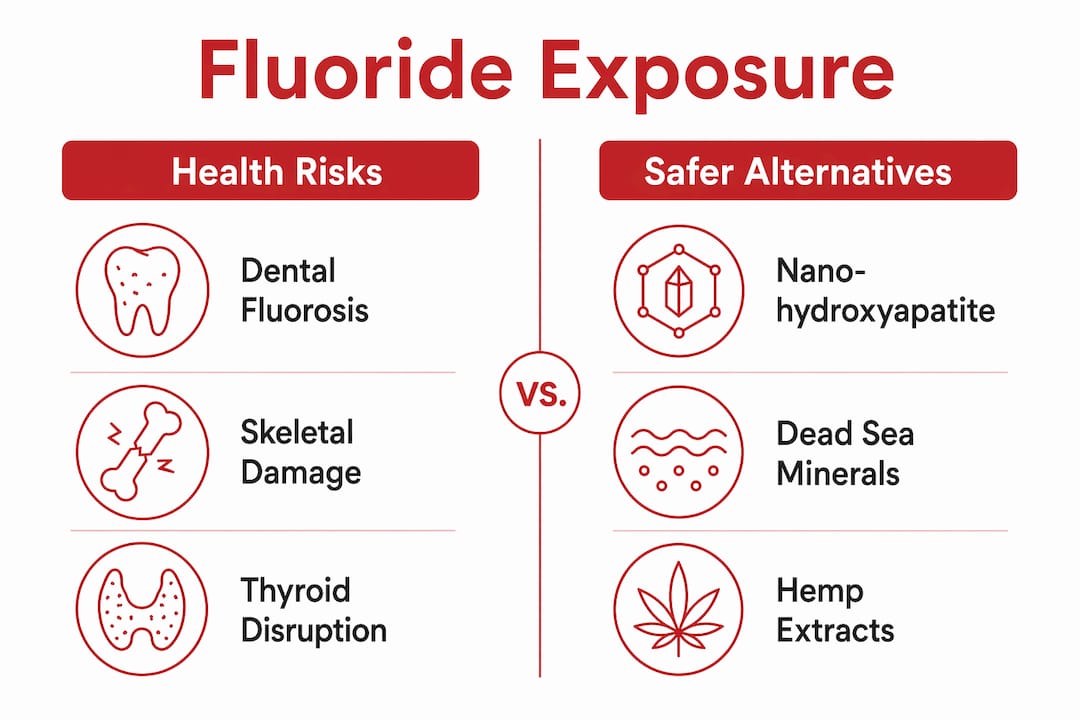
- Excessive fluoride intake is linked to dental fluorosis, skeletal damage, thyroid issues, and neurodevelopmental effects.
- Public health policies often overlook cumulative exposures from water, food, and dental products, risking higher-than-accepted levels in vulnerable populations.
Fluoride ingestion above established safety thresholds is now linked to dental fluorosis, skeletal damage, thyroid disruption, and emerging neurodevelopmental effects, making the question of why avoid fluoride in 2026 more pressing than ever. The World Health Organization sets the safe drinking water limit at 1.5 mg/L, and new research shows cumulative daily exposure from multiple sources can push many people past that threshold without their knowledge. Regulatory bodies including the National Toxicology Program and the European Food Safety Authority have begun reassessing fluoride risk profiles, particularly for children and pregnant women. Fluoride-free oral care, once a niche preference, is now backed by a growing body of peer-reviewed evidence and supported by dental professionals who prioritize mineral-based remineralization over systemic fluoride exposure.
Why avoid fluoride in 2026: what the health evidence shows
Fluoride’s risks scale directly with dose and duration of exposure. The WHO threshold of 1.5 mg/L represents the point above which dental and skeletal fluorosis risk rises measurably. Skeletal fluorosis, a condition involving bone hardening and joint pain, becomes a documented concern at concentrations between 4 mg/L and 10 mg/L with prolonged exposure.
Dental fluorosis is the most visible consequence of excess fluoride during tooth development. It presents as white spots, streaking, or pitting on enamel and occurs when fluoride intake exceeds safe levels during the first eight years of life. Beyond cosmetic damage, a 2026 cross-sectional study found that mild dental fluorosis in early life correlates with higher rates of self-reported depressive symptoms in US adults aged 20–39. That finding suggests fluoride’s effects on developing tissue extend beyond the teeth.
“The debate centers less on fluoride’s potential toxicity and more on the regulatory failure to consider cumulative exposure during vulnerable developmental stages.”
Thyroid disruption represents another documented concern. Fluoride competes with iodine at thyroid receptors, and chronic low-level exposure has been associated with reduced thyroid hormone output in populations with marginal iodine intake. Children and fetuses face the highest systemic risk because their blood-brain barriers are less developed and their fluoride-to-body-weight ratios are higher than those of adults.
- Dental fluorosis: Enamel defects from excess fluoride during tooth development, affecting appearance and structural integrity
- Skeletal fluorosis: Bone and joint damage from prolonged high-dose exposure, typically above 4 mg/L
- Thyroid disruption: Reduced hormone output linked to fluoride’s interference with iodine uptake
- Neurodevelopmental effects: Emerging associations between early fluoride exposure and depressive symptoms in young adults
- Cumulative overexposure: Daily intake from water, food, and dental products can exceed safe thresholds without any single source appearing dangerous
How safe is fluoride at current regulatory levels?
The US Environmental Protection Agency sets the maximum contaminant level for fluoride in drinking water at 4 mg/L, while the optimal fluoridation level recommended for dental benefit sits at 0.7 mg/L. A major 2026 longitudinal study tracking more than 10,000 participants across multiple decades found no measurable link between 0.7 mg/L fluoride exposure and cognitive performance or IQ decline. That result provides meaningful reassurance for people whose only fluoride source is optimally fluoridated tap water.
The controversy, however, does not center on that single source. Regulatory reviews in 2025 and 2026 by the National Toxicology Program and the European Food Safety Authority acknowledge that cumulative fluoride exposure across all daily sources has not been adequately modeled in foundational fluoridation policy. The original studies supporting mass water fluoridation date to the 1950s and carry significant methodological limitations by modern standards.
Pro Tip: If you live in a fluoridated water area, calculate your total daily fluoride load before assuming you are within safe limits. Add contributions from toothpaste, processed foods, infant formula, and beverages to get an accurate picture.
| Regulatory body | Recommended limit | Basis |
|---|---|---|
| World Health Organization | 1.5 mg/L in drinking water | Dental and skeletal fluorosis prevention |
| US EPA (optimal) | 0.7 mg/L in drinking water | Dental caries reduction |
| US EPA (maximum) | 4 mg/L in drinking water | Acute toxicity prevention |
| European Food Safety Authority | Under active reassessment (2025–2026) | Cumulative and developmental risk review |
Divided expert opinion persists because the science is genuinely split. Proponents cite decades of reduced cavity rates in fluoridated communities. Critics point to newer studies showing that topical fluoride application, not systemic ingestion, drives most of the dental benefit, making water fluoridation’s risk-to-benefit ratio harder to justify. The ethical dimension of mass medication without individual consent also drives ongoing policy debate in the UK, Australia, and parts of the US.
What are the main sources of fluoride exposure and how to manage them?
Fluoride enters the body through more routes than most people realize. Identifying each source is the first step toward managing cumulative intake responsibly.
- Fluoridated drinking water is the largest single source for most people in the US, contributing approximately 0.7 mg/L per liter consumed.
- Dental products including toothpaste and mouthwash deliver fluoride topically, but ingestion during brushing, especially in young children, adds to systemic load.
- Infant formula mixed with fluoridated tap water concentrates fluoride relative to an infant’s body weight, creating disproportionately high exposure in the first year of life.
- Processed foods and beverages manufactured with fluoridated water retain measurable fluoride levels, making dietary intake a hidden cumulative source.
- Tea brewed from older leaves contains naturally high fluoride concentrations, sometimes exceeding 3 mg/L per cup.
Standard carbon block filters, including most pitcher and faucet-mounted units, do not remove fluoride from tap water. Reverse osmosis filtration removes approximately 90–95% of fluoride and represents the most practical household solution for people seeking to reduce intake. Distillation achieves similar results but requires more energy and equipment.
Pro Tip: When mixing infant formula, use water that has been processed through a certified reverse osmosis system. The American Academy of Pediatrics notes that infants consuming formula made with fluoridated water receive fluoride at levels that may exceed developmental safety margins.

Parents of young children should use only a rice-grain-sized amount of fluoride toothpaste for children under three, and a pea-sized amount for children aged three to six, supervising brushing to minimize swallowing. For adults seeking to reduce total fluoride load, switching to a fluoride-free toothpaste formulated with remineralizing minerals addresses topical dental care without adding to systemic intake.
What natural alternatives to fluoride protect oral health effectively?
Fluoride-free oral care is not a compromise. Several mineral-based and plant-derived compounds remineralize enamel and control oral bacteria without the systemic risks associated with fluoride ingestion.
Hydroxyapatite is the most clinically supported fluoride alternative. It is the same calcium phosphate mineral that makes up 97% of tooth enamel and 70% of dentin. Nano-hydroxyapatite particles penetrate enamel microcracks and rebuild mineral density directly, without requiring systemic absorption. Japanese dental research has validated hydroxyapatite toothpaste as equivalent to fluoride toothpaste for cavity prevention in controlled trials.
- Nano-hydroxyapatite: Rebuilds enamel mineral structure directly; no systemic absorption required
- Dead Sea minerals: Provide a broad spectrum of trace minerals including magnesium, potassium, and calcium that support gum tissue health and oral pH balance
- Hemp-derived compounds: Emerging research supports antibacterial and anti-inflammatory activity in the oral cavity, reducing biofilm formation without disrupting the oral microbiome
- Xylitol: A sugar alcohol that inhibits Streptococcus mutans adhesion to enamel, reducing cavity-causing bacterial activity
- Oil pulling with coconut oil: Reduces oral bacterial load and gingival inflammation when practiced consistently, supported by peer-reviewed clinical data
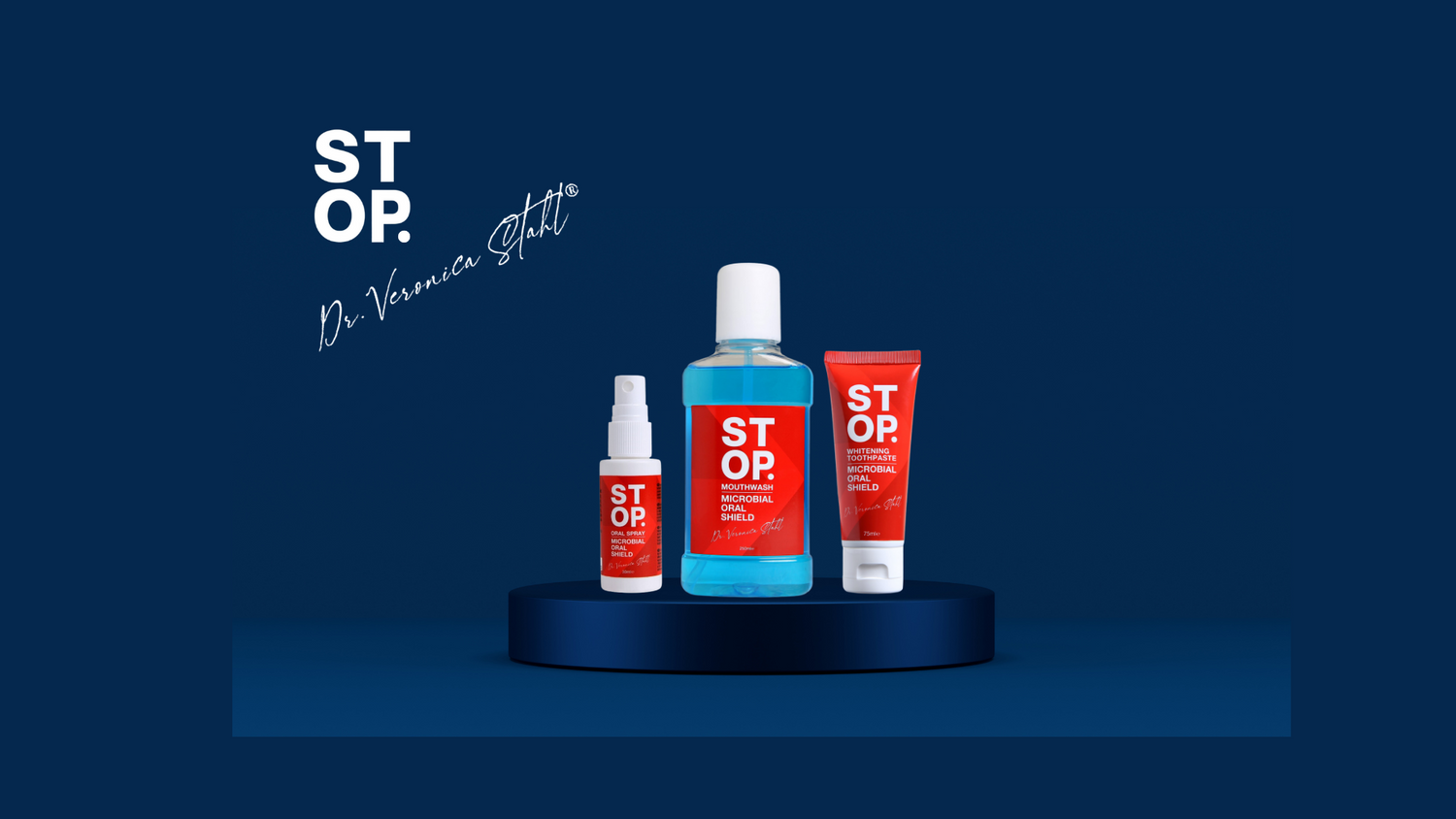
Stop-oralcare formulates its toothpaste, mouthwash, and oral sprays around hemp and Dead Sea minerals, combining the antibacterial properties of hemp-derived compounds with the remineralizing capacity of mineral-rich salts. This approach addresses both the microbial and structural dimensions of oral health without fluoride. Readers seeking a structured transition plan can follow the fluoride-free dental care workflow developed by Dr. Veronica Stahl at Stop-oralcare.
The benefits of fluoride-free care extend beyond avoiding fluoride’s risks. Mineral-based formulations support a balanced oral microbiome rather than indiscriminately suppressing bacterial populations. That distinction matters because a healthy oral microbiome is directly linked to reduced systemic inflammation and lower risk of cardiovascular and metabolic disease. For families, athletes, and anyone with thyroid conditions or iodine deficiency, the shift to fluoride-free products removes a meaningful variable from their health equation.
For those interested in complementary systemic support, natural health supplements that support mineral absorption and immune function can work alongside a fluoride-free oral care routine.
Key Takeaways
Fluoride-free oral care is the most evidence-aligned choice for people with cumulative exposure concerns, children in developmental stages, or individuals with thyroid or iodine-related conditions.
| Point | Details |
|---|---|
| Regulatory thresholds matter | The WHO sets 1.5 mg/L as the safe limit; cumulative daily exposure from multiple sources can exceed this without any single source appearing dangerous. |
| Cognitive risk at 0.7 mg/L is unproven | A 2026 longitudinal study of 10,000+ participants found no link between recommended fluoride levels and IQ or cognitive decline. |
| Cumulative exposure is the real concern | Infant formula, processed foods, tea, and dental products all add to daily fluoride load beyond drinking water alone. |
| Reverse osmosis removes fluoride effectively | Standard carbon filters do not remove fluoride; reverse osmosis systems remove 90–95% of fluoride from tap water. |
| Hydroxyapatite is the leading alternative | Nano-hydroxyapatite remineralizes enamel as effectively as fluoride without systemic absorption or toxicity risk. |
My view on fluoride avoidance as a clinical and public health question
What I find most striking about the fluoride debate in 2026 is not the toxicology. The toxicology is relatively clear: fluoride is safe at 0.7 mg/L in isolation, and dangerous at cumulative exposures that many people unknowingly reach. What concerns me professionally is the persistent failure of public health messaging to account for total daily load.
Patients come to me having brushed with fluoride toothpaste twice daily, drunk two liters of fluoridated tap water, consumed processed foods and tea, and then been told their fluoride intake is “fine” because their water supply meets regulatory standards. That framing ignores the arithmetic of cumulative exposure entirely. The science on developmental risk is not settled, but the precautionary principle applies most strongly to infants, fetuses, and children, precisely the populations with the least ability to advocate for themselves.
The growing consumer shift toward fluoride-free products is not driven by misinformation. It reflects a reasonable response to public health concerns that official bodies have been slow to address transparently. My recommendation is not blanket fluoride avoidance for every adult. It is individualized exposure assessment, with fluoride-free oral care as the default for children under six, pregnant women, and anyone with thyroid dysfunction or iodine deficiency.
The oral care products I trust most are those that remineralize enamel through direct mineral delivery rather than systemic fluoride absorption. Hydroxyapatite, Dead Sea minerals, and hemp-derived antibacterial compounds address the same clinical goals without the systemic variables. That is not a fringe position in 2026. It is where the evidence is pointing.
— Veronica
Stop-oralcare’s approach to fluoride-free oral health
Stop-oralcare was built on the premise that effective oral care does not require systemic fluoride exposure.
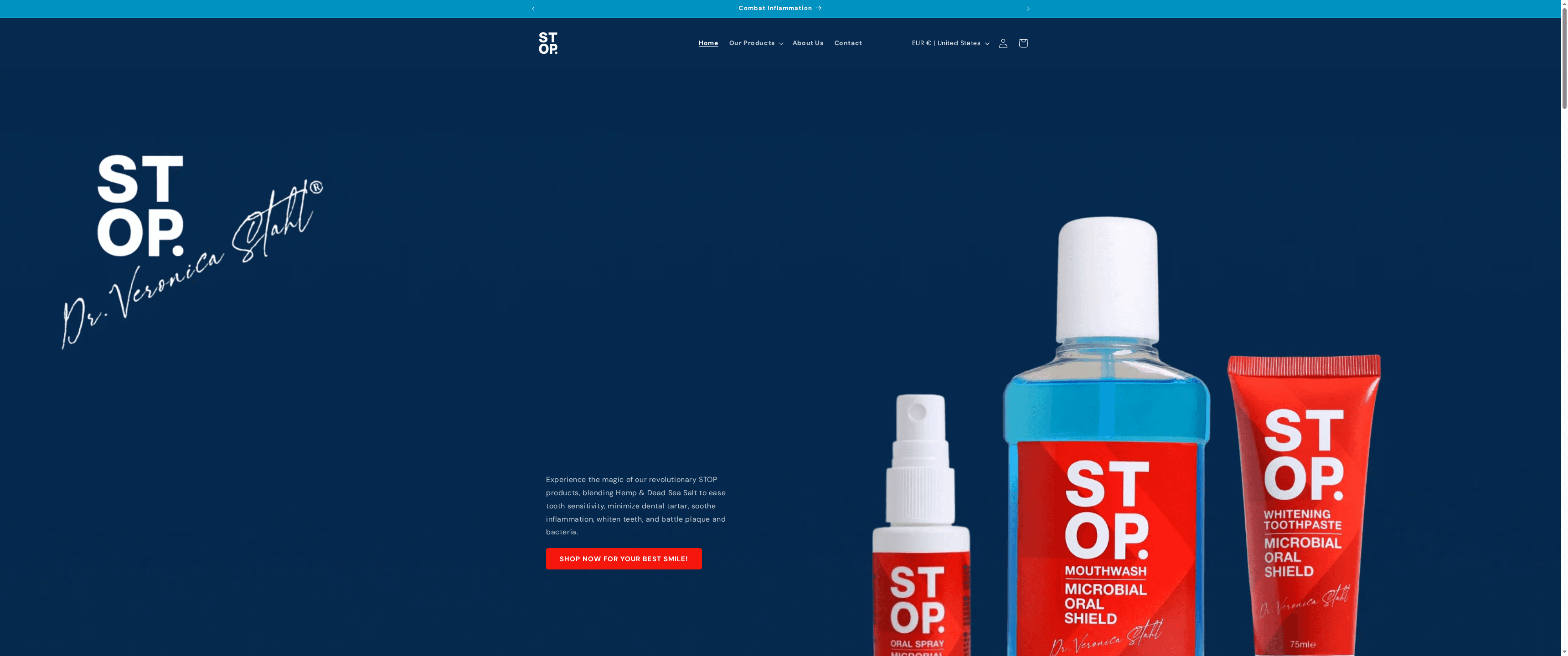
Dr. Veronica Stahl’s formulations combine nano-mineral remineralization with hemp-derived antibacterial compounds and Dead Sea minerals, targeting enamel repair, gum health, and oral microbiome balance simultaneously. The product line includes fluoride-free toothpaste, mouthwash, and oral sprays, each designed for daily use by adults and children seeking to reduce their fluoride load without sacrificing clinical outcomes. Readers ready to make the transition can explore the full fluoride-free product line at Stop-oralcare, along with Dr. Stahl’s detailed guides on switching to fluoride-free care safely and effectively.
FAQ
What is the safe fluoride level in drinking water?
The WHO sets the safe threshold at 1.5 mg/L in drinking water. Exposure above this level increases the risk of dental fluorosis, skeletal fluorosis, and thyroid disruption.
Does fluoride at 0.7 mg/L affect IQ or brain function?
A 2026 longitudinal study of more than 10,000 participants found no measurable link between 0.7 mg/L fluoride exposure and cognitive performance across the lifespan. The cognitive risk concern applies primarily to higher cumulative exposures, particularly during fetal and early childhood development.
What filter removes fluoride from tap water?
Standard carbon filters do not remove fluoride. Reverse osmosis systems remove approximately 90–95% of fluoride from tap water and represent the most practical household solution.
What is the best natural alternative to fluoride toothpaste?
Nano-hydroxyapatite is the most clinically validated fluoride alternative. It remineralizes enamel directly using the same calcium phosphate mineral that makes up natural tooth structure, without systemic absorption.
Is fluoride-free toothpaste safe for children?
Fluoride-free toothpaste formulated with hydroxyapatite or mineral-based compounds is considered safe for children of all ages and is the preferred option for children under six, who are at highest risk of swallowing toothpaste during brushing.
Recommended
- Fluoride-Free Dentistry: Effective Natural Alternatives – Stop Oral Care
- Oral Health Trends 2026: Innovations and Natural Solutions – Stop Oral Care
- Is Fluoride Free Toothpaste Effective: A Complete Guide to Benefits, R – Stop Oral Care
- What is SLS free toothpaste? Healthier oral care in 2026 – Stop Oral Care