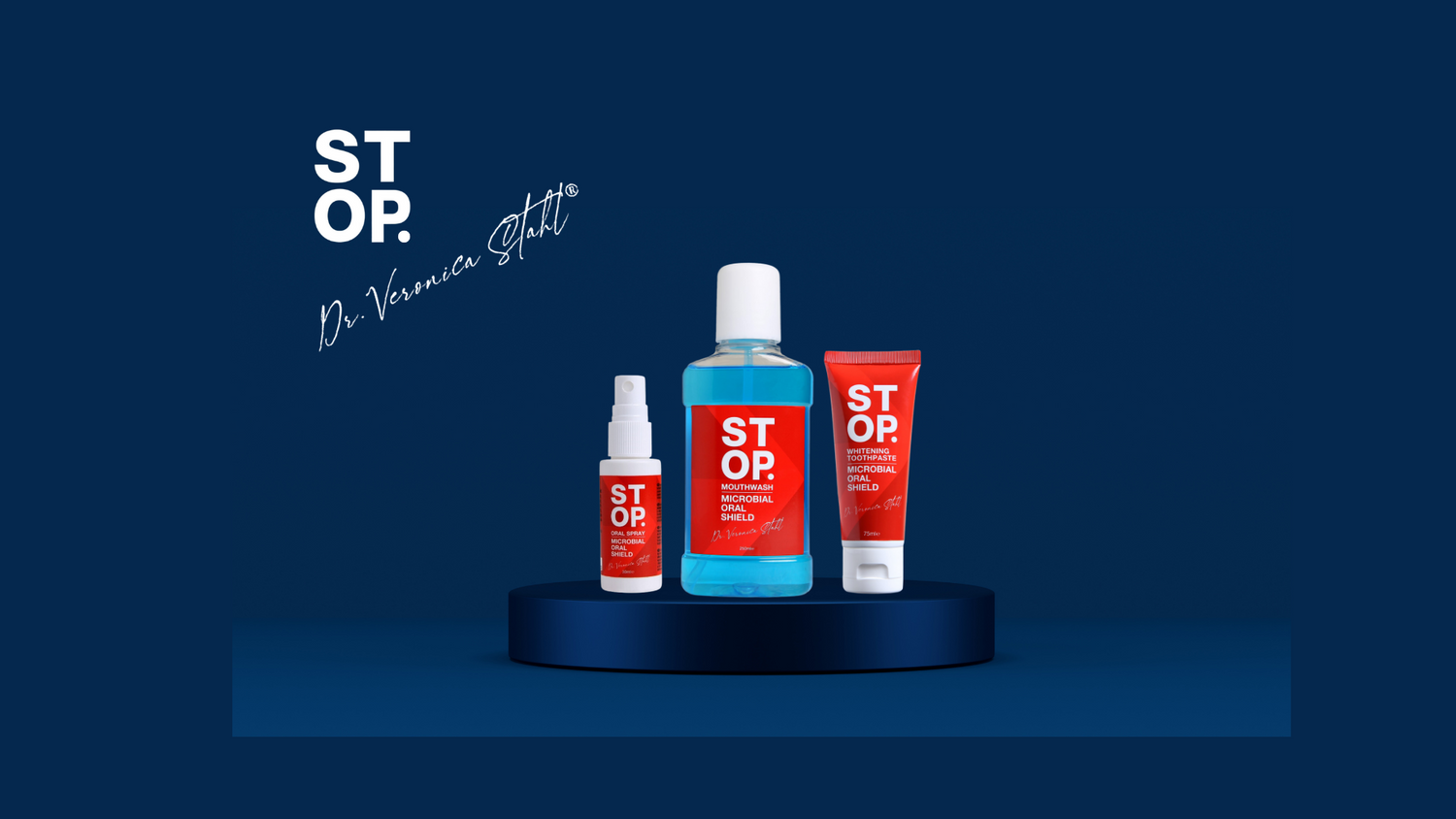


The safest yellow teeth remedy starts with a professional dental cleaning followed by a conservative at-home routine, never an abrasive DIY fix. Skip the lemon juice, the daily baking soda scrub, and the aggressive charcoal rubs. They wear down enamel permanently. For daily maintenance between cleanings, a fluoride-free line like Stop-oralcare’s hemp and Dead Sea mineral formulas supports brightness without the abrasion risk.
TL;DR:
- Regular professional cleanings can remove tartar and surface stains that often cause yellow teeth, with in-office bleaching providing the most noticeable results.
- Daily habits such as gentle brushing at 45 degrees, flossing, rinsing after staining drinks, and using non-abrasive whitening toothpaste help maintain brightness without damaging enamel.
- Home remedies like frequent baking soda, charcoal, or acidic rinses can wear down enamel or cause sensitivity, especially if used more than once weekly or if signs of erosion appear.
- Intrinsic stains from inside the tooth or enamel thinning due to age or erosion require professional treatment like bleaching or veneers, as surface methods are ineffective.
- Ongoing maintenance with non-abrasive, mineral-based products supports whitest results after professional cleaning, but they cannot replace dental evaluation or treatment for intrinsic discoloration.
Table of Contents
- Dents Jaunes Remède: Safe At-Home Steps That Actually Help
- What Makes Teeth Yellow in the First Place?
- What Can a Dentist Actually Do About Yellow Teeth?
- Which Home Remedies Actually Damage Your Enamel?
- How Do You Keep Your Smile From Yellowing Again?
- What Do Dental Professionals Actually Recommend?
- A Conservative Approach to Whitening, and Why It Holds Up
- Keep Your Smile Bright Without the Guesswork
- Sources
Dents Jaunes Remède: Safe At-Home Steps That Actually Help
Most of what people call a “dents jaunes remède” is really a maintenance routine, not a miracle fix. The foundation is mechanical: remove plaque and surface pigment consistently, without stripping enamel in the process.
Start with technique. A soft-bristle brush, two minutes, twice daily, angled at 45 degrees against the gumline, removes far more surface staining than aggressive scrubbing ever will. Electric toothbrushes outperform manual brushing for plaque removal, and less plaque means fewer surfaces for coffee and wine pigments to grip onto.
Daily habits matter as much as brushing:
- Rinse with water immediately after coffee, tea, or red wine to limit pigment contact time.
- Floss or use interdental brushes once daily. Trapped debris between teeth darkens over time and resists brushing alone.
- Use a whitening toothpaste with mild polishing agents, but check it doesn’t rely on high-abrasion silica as its main ingredient.
- Try oil pulling with coconut oil for 10 to 15 minutes, a few times a week, as a supplementary habit rather than a core treatment.
For a weekly boost, a baking soda paste can help, but frequency is everything. Mix about half a teaspoon of baking soda with a few drops of water into a paste, apply gently with a soft brush for no more than 60 to 90 seconds, and limit this to once per week. More than that, and you’re sanding down the outer enamel layer that took years to form.
Over-the-counter whitening kits can offer modest improvement for surface stains, but if you notice zero change after two to three weeks, or if sensitivity spikes, stop and book a dental appointment instead of increasing the dose.
Pro Tip: Keep a straw in your daily routine for iced coffee or soda. It sounds minor, but redirecting the liquid past your front teeth meaningfully cuts down staining exposure over months.

What Makes Teeth Yellow in the First Place?
Yellowing falls into two categories, and knowing which one you’re dealing with determines whether a home remedy will even work.
Extrinsic stains sit on the enamel surface. Coffee, tea, red wine, and tobacco are the classic culprits, and they’re often treatable with cleaning or whitening because the pigment hasn’t penetrated the tooth structure.
Intrinsic stains are different. These come from inside the tooth: childhood exposure to certain antibiotics like tetracycline, fluorosis from excess fluoride during enamel development, or simple aging, where enamel gradually thins and the naturally yellow dentin underneath becomes more visible. No amount of surface polishing fixes intrinsic discoloration, because the source isn’t on the surface.
A few other factors that drive yellowing:
- Tartar buildup: hardened plaque that traps stains and can’t be brushed away, only removed by a dentist.
- Enamel thinning: often from acid erosion or years of abrasive brushing, exposing yellow-toned dentin.
- Certain medications and medical conditions: some antihistamines, blood pressure drugs, and chemotherapy treatments are linked to discoloration.
This is why a dentist’s evaluation matters before you commit to any whitening plan. Treating an intrinsic stain with surface methods wastes time and can still damage enamel in the process.
What Can a Dentist Actually Do About Yellow Teeth?
Professional treatment follows a logical sequence, and skipping ahead rarely ends well.
- Détartrage and polishing. This ultrasound-based cleaning breaks up calcified tartar deposits, then a polish smooths the enamel and lifts many extrinsic stains. It’s the first-line step for a reason: a lot of what patients think is permanent yellowing is actually tartar, and it disappears in one visit.
- In-office bleaching. Using higher-concentration peroxide gel under direct supervision, this typically takes one to three sessions and delivers the most dramatic, controlled change available. Some sensitivity afterward is common but temporary.
- Custom take-home trays. Dentist-fitted trays with a lower-concentration peroxide gel, worn nightly for one to two weeks, offer a gentler timeline with less sensitivity risk than in-office sessions.
- Veneers or crowns. Reserved for intrinsic stains or structural damage that bleaching won’t touch. It’s worth knowing that existing restorations don’t respond to whitening gel at all, so veneers placed before a whitening treatment will end up a shade lighter than everything around them.
Comparative data from dental sources places professional peroxide treatment well above OTC toothpaste or drugstore kits in terms of controlled, measurable change. Toothpaste offers daily mild polishing, kits offer modest shifts, and professional treatment offers the largest jump, precisely because it’s dosed and monitored.
The first 48 hours after bleaching matter more than most people expect. Clinicians commonly recommend a short “white diet,” avoiding coffee, wine, and dark sauces, to lock in results before pigments get another chance to bind to freshly opened enamel pores. If sensitivity lingers longer than expected, targeted remedies can ease the discomfort without undoing progress.
Which Home Remedies Actually Damage Your Enamel?
Not every popular “natural” fix is harmless, and this is where a lot of well-meaning routines go wrong.
Frequent bicarbonate use, applied daily instead of weekly, physically abrades the enamel surface. The same applies to activated charcoal, which feels satisfying to scrub with but is coarse enough to wear down enamel over repeated use, ironically making teeth look more yellow over time as more dentin shows through.
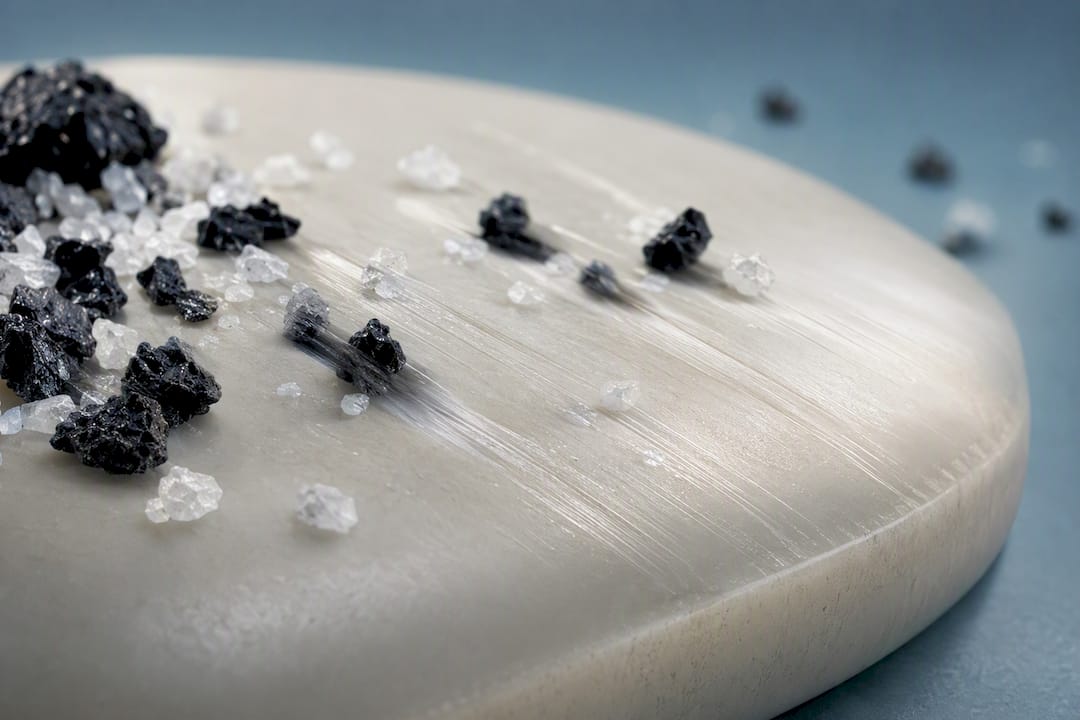
Acidic remedies are worse in a different way. Lemon juice and vinegar rinses do brighten teeth briefly, but the citric acid demineralizes enamel, softening it at a chemical level. The damage isn’t visible immediately, which is exactly why the habit persists until sensitivity sets in.
Watch for these warning signs that a home routine has gone too far:
- New or worsening sensitivity to hot, cold, or sweet foods.
- A rough or matte texture where enamel used to feel smooth.
- Visible thinning near the gumline, where teeth start looking more translucent.
Certain groups need extra caution regardless of method. Pregnant people should avoid whitening treatments generally and stick to gentle cleaning. Children with developing enamel shouldn’t use abrasive or acidic recipes at all. Anyone with untreated cavities needs those addressed first, since whitening agents can cause significant pain in exposed dentin. And dentures or crowns simply won’t respond to any whitening product, so applying acid or abrasive pastes to them only wastes effort.
Pro Tip: If a home remedy makes your teeth feel “squeaky clean” immediately after use, that’s often a sign of surface abrasion, not a good result. Real enamel should feel smooth, not stripped.
How Do You Keep Your Smile From Yellowing Again?
Results fade fast without a maintenance habit built around your actual risk factors, not a generic checklist.
Daily hygiene stays non-negotiable: brushing twice a day, flossing once, and scheduling a professional cleaning annually, or as your dentist advises based on your staining tendency. People who drink coffee daily may benefit from cleanings every six months instead.
A few diet and behavior shifts make a real difference:
- Limit staining drinks to specific times of day rather than sipping continuously.
- Use a straw for iced coffee, tea, and soda.
- Quitting smoking removes one of the most stubborn, fastest-acting sources of yellowing.
- Rinse with water after any staining food or drink, even when brushing isn’t immediately possible.
For maintenance products, electric toothbrushes and interdental cleaning reduce the plaque buildup that traps new pigment, which lowers how often you’ll need repeat whitening. Pair that with a gentle, non-abrasive whitening toothpaste rather than one leaning on harsh silica particles for its “polishing” effect.
What Do Dental Professionals Actually Recommend?
Dental consensus is fairly consistent: address tartar first, then consider whitening only under supervision, and treat aggressive home remedies as a last resort, not a first step. Much of what patients perceive as yellowing is tartar buildup that disappears after a single cleaning, before any bleaching agent is ever applied.
The goal isn’t the fastest visible change. It’s a result that holds up in six months without having sacrificed the enamel that protects the tooth for the next twenty years.
Dr. Veronica Stahl’s work in natural oral care reflects this same conservative logic: fluoride-free, mineral-based formulas can support a brighter, healthier-looking smile as daily maintenance, but they are not designed to replace clinical treatment for decay or genuine intrinsic discoloration. Ingredients like hemp extract and Dead Sea minerals fit into the science-backed natural whitening category precisely because they’re formulated to work alongside a cleaning routine, not instead of one.
A Conservative Approach to Whitening, and Why It Holds Up
My honest read on this topic is that most people reach for a whitening fix before they’ve ruled out the cheaper, safer, more effective option: a cleaning. See a dentist before starting any bleaching protocol, home or professional. A conservative, science-backed routine protects the enamel you have for decades, not just the color you want this month.
— Veronica
Keep Your Smile Bright Without the Guesswork
Once your dentist has cleared the tartar and addressed any decay, daily maintenance is what keeps your results looking good. Stop-oralcare’s fluoride-free formulas, built with hemp extract and Dead Sea minerals, are made for exactly that stage: gentle brightening and sensitivity support that won’t wear down enamel the way bicarbonate or charcoal scrubs do over time.

These products aren’t a substitute for clinical bleaching of intrinsic stains or a stand-in for treating cavities. They’re formulated for the daily and weekly maintenance layer, the part of the routine that keeps coffee and wine from re-staining teeth right after a professional cleaning. If your enamel already feels sensitive from past whitening attempts, a tooth whitening approach built for sensitive teeth is worth reviewing before you try anything else. Browse the full product line at Stop-oralcare to find a fluoride-free toothpaste, mouthwash, or oral spray suited to your routine.
Sources
- Quelle solution dents jaunes pour un sourire éclatant ? — Espace Form
- Comment enlever les taches sur les dents : causes et solutions efficaces — BH Dental
- Blanchiment dentaire naturel recette — SmileHub
- Dents qui jaunissent : solutions naturelles validées par les dentistes en 2026 — Relais Santé
This article is general information, not a substitute for advice from a qualified doctor. Consult a qualified healthcare professional about your own circumstances before acting on anything here.