

Post-whitening sensitivity responds well to a few immediate, evidence-backed measures. Pause the whitening treatment, rinse with lukewarm water, apply a desensitizing toothpaste containing potassium nitrate or calcium sodium phosphosilicate, and take an over-the-counter analgesic such as ibuprofen if discomfort is significant. Avoid hot, cold, and acidic foods or drinks for at least 48 hours.
Immediate action checklist (first hour):
- Stop whitening and remove any tray or strip.
- Rinse gently with lukewarm water.
- Apply a desensitizing toothpaste directly to sensitive areas and leave it for several minutes before spitting.
- Take an OTC analgesic if pain is moderate.
- Avoid temperature extremes and acidic beverages.
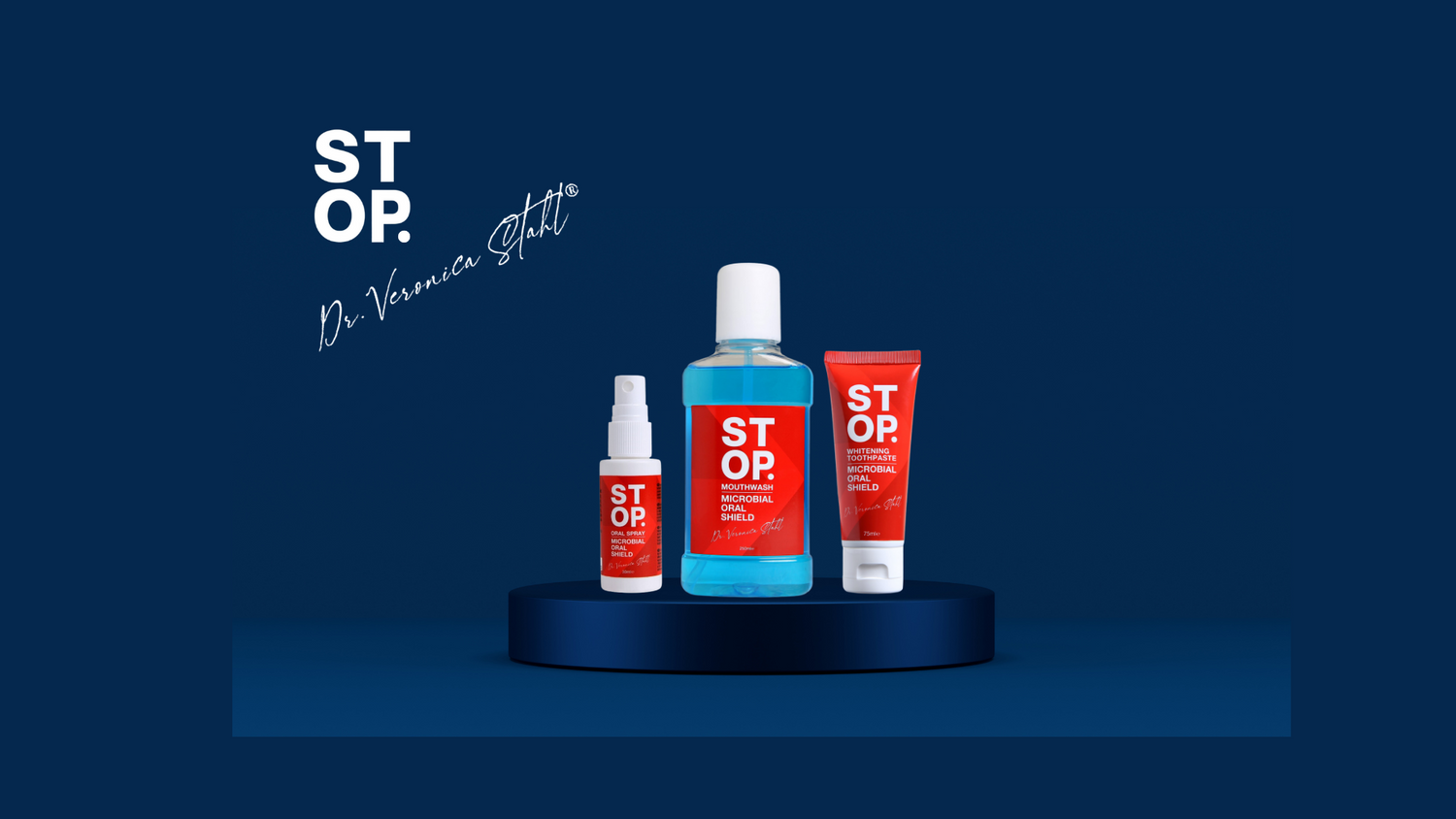
Stop-oralcare’s sensitive toothpaste and desensitizing spray, both formulated with Dead Sea minerals and available in Belgium, can be incorporated into this immediate care routine.
Key Takeaways
Post-whitening sensitivity is a temporary and manageable condition that typically responds well to evidence-based home measures and, when necessary, professional intervention.
| Point | Details |
|---|---|
| Sensitivity timeline | Most cases peak within 24 hours and resolve within 24–72 hours; beyond 5–7 days warrants dental assessment. |
| First-line home care | Desensitizing toothpaste with potassium nitrate or NovaMin, topical fluoride, and soft-bristled brushing are the recommended starting measures. |
| Harmful DIYs to avoid | Lemon juice, vinegar, charcoal scrubs, and abrasive pastes erode enamel and worsen sensitivity rather than relieving it. |
| Professional options | Fluoride varnish, in-office desensitizers, and resin bonding are available from dentists; surgical options are last resort only. |
| Stop-oralcare in Belgium | The sensitive toothpaste, mouthwash, and spray are available for order in Belgium and can be used immediately after whitening as part of a short-term care regimen. |
Table of Contents
- Why do teeth become sensitive after whitening?
- What is the typical timeline for post-whitening sensitivity?
- Safe home remedies you can apply in the first 48–72 hours
- What professional treatments can your dentist offer?
- What home remedies should you avoid after whitening?
- How can you prevent sensitivity in future whitening sessions?
- How Stop-oralcare’s sensitive line supports post-whitening care
- When should you see a dentist after whitening?
- A clinical perspective on managing post-whitening sensitivity
- Stop-oralcare’s sensitive line for post-whitening care in Belgium
- Sources
Why do teeth become sensitive after whitening?
Whitening agents, primarily hydrogen peroxide or carbamide peroxide, temporarily increase enamel permeability. Peroxide molecules are small enough to diffuse through enamel and reach the underlying dentin, where they can dehydrate the tissue, widen dentinal tubules, and trigger mild pulp inflammation. The result is the characteristic sharp or aching discomfort that many people experience after a whitening session.
According to Johns Hopkins Medicine, sensitivity arises when dentin becomes exposed or when whitening agents transiently increase permeability, with most cases resolving without invasive treatment. Several factors raise individual risk: preexisting enamel erosion, gum recession with exposed root surfaces, recent dental restorations, a history of aggressive brushing, and high-concentration or extended-exposure whitening protocols.
What is the typical timeline for post-whitening sensitivity?
Most sensitivity peaks within 24 hours of a whitening session and commonly resolves within 24–72 hours. A minority of patients experience symptoms for up to approximately five days, particularly after in-office high-concentration treatments.
| Phase | Typical timing | What to expect |
|---|---|---|
| Onset | During or immediately after treatment | Sharp or aching sensation, especially to cold |
| Peak | 24 hours post-treatment | Maximum discomfort; analgesics and desensitizing paste most useful here |
| Resolution | 24–72 hours | Gradual reduction; most cases fully resolved |
| Extended range | Up to ~5 days | Possible after high-concentration or repeated sessions |
| Outside normal range | Beyond 5–7 days, or worsening | Warrants dental assessment |
The ADA reports that transient mild to moderate sensitivity occurs in up to two-thirds of users during early bleaching stages, and that lower peroxide concentrations generally produce less sensitivity. If pain is spontaneous, localized to a single tooth, or accompanied by swelling, contact a dentist promptly rather than waiting out the timeline.
Safe home remedies you can apply in the first 48–72 hours
The most clinically supported home measures center on desensitizing toothpastes and topical fluoride applications, which are recommended first-line interventions that can reduce symptoms over days to weeks.
Effective home measures:
- Potassium nitrate toothpaste: Potassium nitrate penetrates dentinal tubules and reduces nerve depolarization, calming the pain signal at its source. Use twice daily.
- Calcium sodium phosphosilicate (NovaMin) or arginine-based toothpaste: These agents work by physically occluding open dentinal tubules with a mineral layer, reducing fluid movement and the associated pain. A PMC review on dentin hypersensitivity confirms both tubule-occluding agents and potassium nitrate reduce sensitivity, though comparative superiority across studies is inconsistent.
- Topical fluoride gels: Available over the counter in Belgium; apply after brushing to reinforce enamel and reduce permeability.
- Pause or reduce whitening exposure: Lower the concentration or shorten daily application time. Overexposure does not meaningfully increase whitening effect but does raise sensitivity risk.
- Soft-bristled toothbrush and gentle technique: A Cleveland Clinic patient guide consistently recommends this as both a preventive and therapeutic adjustment.
- Diet modification: Avoid acidic foods, carbonated drinks, and temperature extremes for 48–72 hours.
Pro Tip: Apply a pea-sized amount of desensitizing toothpaste directly to the most sensitive areas with a fingertip. Leave it in contact for three to five minutes before spitting, without rinsing. This targeted application allows active ingredients to penetrate tubules more effectively than standard brushing alone.
For readers interested in natural toothpaste ingredients and their effect on sensitivity, Stop-oralcare’s blog provides a detailed breakdown of mineral-based formulations.
What professional treatments can your dentist offer?
When home measures provide insufficient relief, dental-office interventions offer faster and more durable results. Clinicians generally select options based on whether sensitivity is diffuse or localized to a single tooth, and on the severity of symptoms. A stepwise approach is standard: non-invasive measures first, surgical options only when conservative care fails.
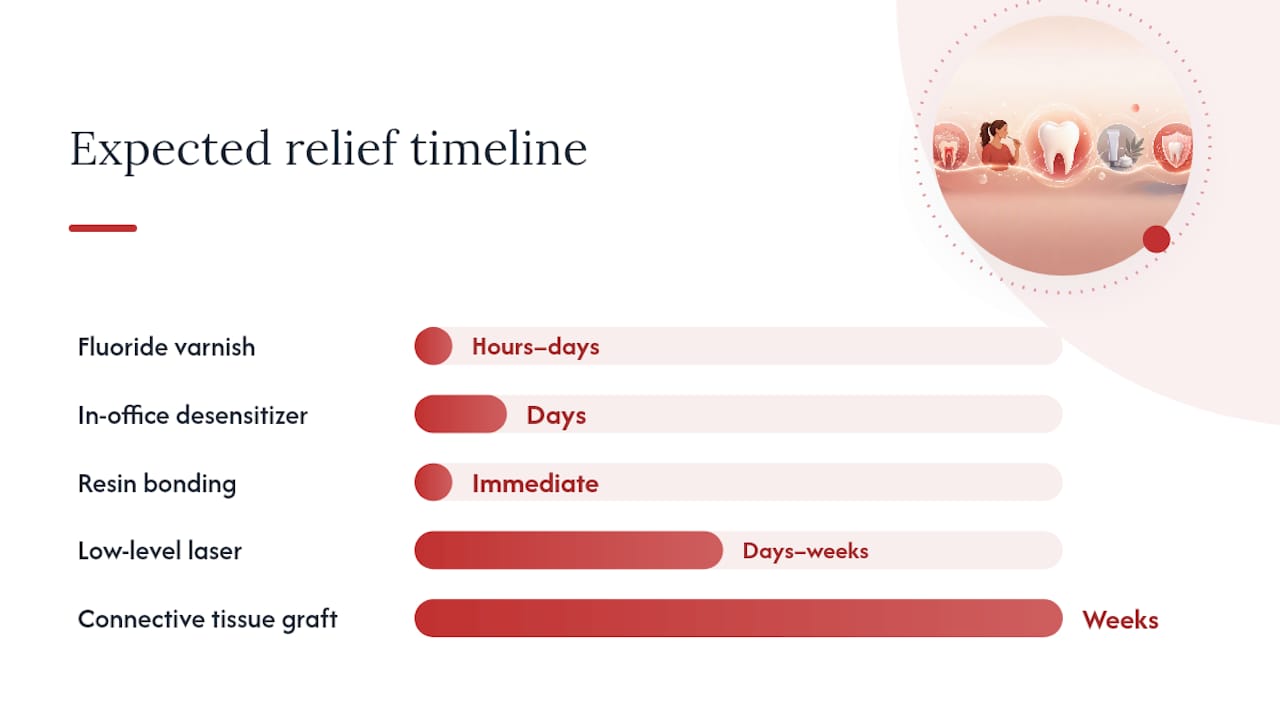
| Treatment | Mechanism | Invasiveness | Expected relief timeline |
|---|---|---|---|
| Fluoride varnish or gel | Strengthens enamel, reduces permeability | Non-invasive | Hours to days |
| In-office desensitizing agents | Occlude dentinal tubules chemically | Non-invasive | Days |
| Resin bonding / adhesive sealant | Physically covers exposed dentin | Minimally invasive | Immediate to days |
| Low-level laser therapy | Reduces nerve response in pulp | Minimally invasive | Days to weeks |
| Connective tissue graft | Covers exposed root surfaces permanently | Surgical | Weeks; last resort |
Professional fluoride varnish and in-office desensitizers can produce rapid symptom relief and are routinely offered for post-whitening sensitivity. Diffuse, short-lived sensitivity is managed conservatively with topical fluoride or desensitizing paste. A single-tooth spontaneous pain, by contrast, prompts targeted diagnostic imaging and possible restorative work. Low-level laser therapy and connective tissue grafts carry evidence from controlled studies but are not first-line options; they are discussed only after conservative measures have failed.
For a broader overview of professional sensitivity treatments, a dental-hygiene resource outlines what to expect at an in-office appointment.
What home remedies should you avoid after whitening?
Several popular DIY approaches actively worsen post-whitening sensitivity by eroding enamel or widening dentinal tubules further.
- Lemon juice or vinegar rinses: The high acidity softens and demineralizes enamel. Clinical advisories specifically caution against these because they can erode enamel and increase sensitivity rather than relieve it. Use a fluoride or mineral-based rinse instead.
- Activated charcoal scrubs: Charcoal is abrasive and removes surface mineral rather than occluding tubules. For gentle cleaning, choose a low-RDA toothpaste. Stop-oralcare’s guide on microabrasion in toothpaste explains abrasivity ratings in practical terms.
- Abrasive whitening pastes: Continuing to use high-abrasion pastes during a sensitivity episode removes the mineral layer that desensitizing agents are trying to build.
- Hard-bristled toothbrushes: Mechanical trauma to already-irritated dentin compounds the problem; switch to soft or extra-soft bristles immediately.
- Extending whitening sessions beyond instructions: The NHS notes that overexposure does not increase whitening efficacy but does raise sensitivity risk substantially.
How can you prevent sensitivity in future whitening sessions?
Preparation before the next whitening cycle reduces peak sensitivity for most people. Using a desensitizing toothpaste for two weeks before treatment is a low-risk, practical step supported by clinical practice.
Prevention checklist:
- Schedule a dentist assessment to evaluate enamel thickness, gum recession, and restoration integrity before starting.
- Use a desensitizing toothpaste containing potassium nitrate or NovaMin for at least two weeks before whitening.
- Choose a lower peroxide concentration or a shorter daily exposure time; the ADA confirms lower concentrations cause less sensitivity.
- Space whitening cycles with adequate rest periods between them.
- Avoid combining whitening with other aggressive dental procedures (scaling, bleaching, and restorations in the same week).
- Continue desensitizing toothpaste for one to two weeks after each cycle.
For patients in Belgium with thin enamel or significant gum recession, professional oversight is particularly relevant. A dentist can document the whitening product, concentration, and daily exposure time, which helps tailor desensitizing protocols and provides a clinical record if symptoms escalate. A safe whitening protocol guide from Stop-oralcare covers pre- and post-care steps in practical detail.
How Stop-oralcare’s sensitive line supports post-whitening care
Stop-oralcare’s sensitive toothpaste, mouthwash, and desensitizing spray are formulated with Dead Sea minerals and are available in Belgium for immediate use after whitening. The product line is designed for sensitive teeth and can be integrated into both the acute care phase and the ongoing maintenance routine.
Product overview:
- Sensitive toothpaste: Mineral-based formulation that supports gentle tubule occlusion and enamel remineralization. Use twice daily; apply a targeted dab to sensitive areas and leave for several minutes before spitting for maximum effect.
- Mouthwash: Low-irritant, fluoride-free antiseptic rinse that calms soft tissue and reduces post-whitening oral irritation. Use after meals; avoid rinsing immediately after the targeted toothpaste application.
- Desensitizing spray: Provides quick, targeted relief to localized sensitive areas between brushing sessions.
The recommended short-term regimen is one to two weeks of consistent use following a whitening session, paired with any professional fluoride varnish the dentist may apply. Dr. Veronica Stahl, clinical lead at Stop-oralcare, endorses this usage protocol as consistent with evidence-based desensitizing care. Belgian readers can view the full product range and place an order directly at Stop-oralcare. For further context on the Dead Sea mineral formulations and their enamel-repair rationale, Stop-oralcare’s blog provides detailed ingredient documentation.
When should you see a dentist after whitening?
See a dentist promptly for severe, localized, or persistent pain beyond the normal recovery window, or for any swelling or bleeding.
Red-flag signs that require professional assessment:
- Spontaneous pain at rest, unrelated to temperature or pressure stimulus.
- Pain on biting or chewing localized to a single tooth.
- Swelling, pus, or visible gum inflammation.
- Sensitivity lasting more than 5–7 days or worsening rather than improving.
- Visible white opaque spots on enamel, suggesting demineralization.
- Differing pain response on restored teeth compared to natural teeth.
At the appointment, bring notes on the whitening product used, its peroxide concentration, daily exposure duration, and the number of sessions completed. Request an in-office desensitizing varnish application and ask for a targeted assessment for cavities or restoration failures if a single tooth is disproportionately affected. For readers who want a broader reference on whitening aftercare, a dental-hygiene partner resource covers practical maintenance steps.
A clinical perspective on managing post-whitening sensitivity
Post-whitening sensitivity is one of the most frequently encountered adverse effects in dental practice, yet it is also one of the most manageable. What the clinical evidence consistently shows is that the gap between what patients fear and what actually requires intervention is substantial. The vast majority of cases resolve with conservative measures, and the stepwise approach, starting with the least invasive options before considering any procedural intervention, is both evidence-based and practical.
What tends to be underestimated is the role of preparation. Patients who begin a desensitizing toothpaste regimen two weeks before whitening, choose an appropriate concentration for their enamel status, and follow post-treatment hygiene adjustments experience meaningfully less discomfort. The clinical record also matters: documenting the product, concentration, and exposure time is not administrative formality but a diagnostic tool that allows a dentist to calibrate the next session precisely.
The other underappreciated point is that popular “natural” alternatives circulating on social media, particularly lemon, charcoal, and vinegar, are not neutral choices. They carry a real erosion risk that compounds the very problem they claim to address. Evidence-backed mineral formulations, applied correctly and consistently, are the safer and more effective route.
Stop-oralcare’s sensitive line for post-whitening care in Belgium
Stop-oralcare offers a mineral-based, fluoride-free sensitive line formulated specifically for teeth that need gentle care after whitening. The toothpaste, mouthwash, and desensitizing spray are available for order in Belgium and can be used from the first day after a whitening session.
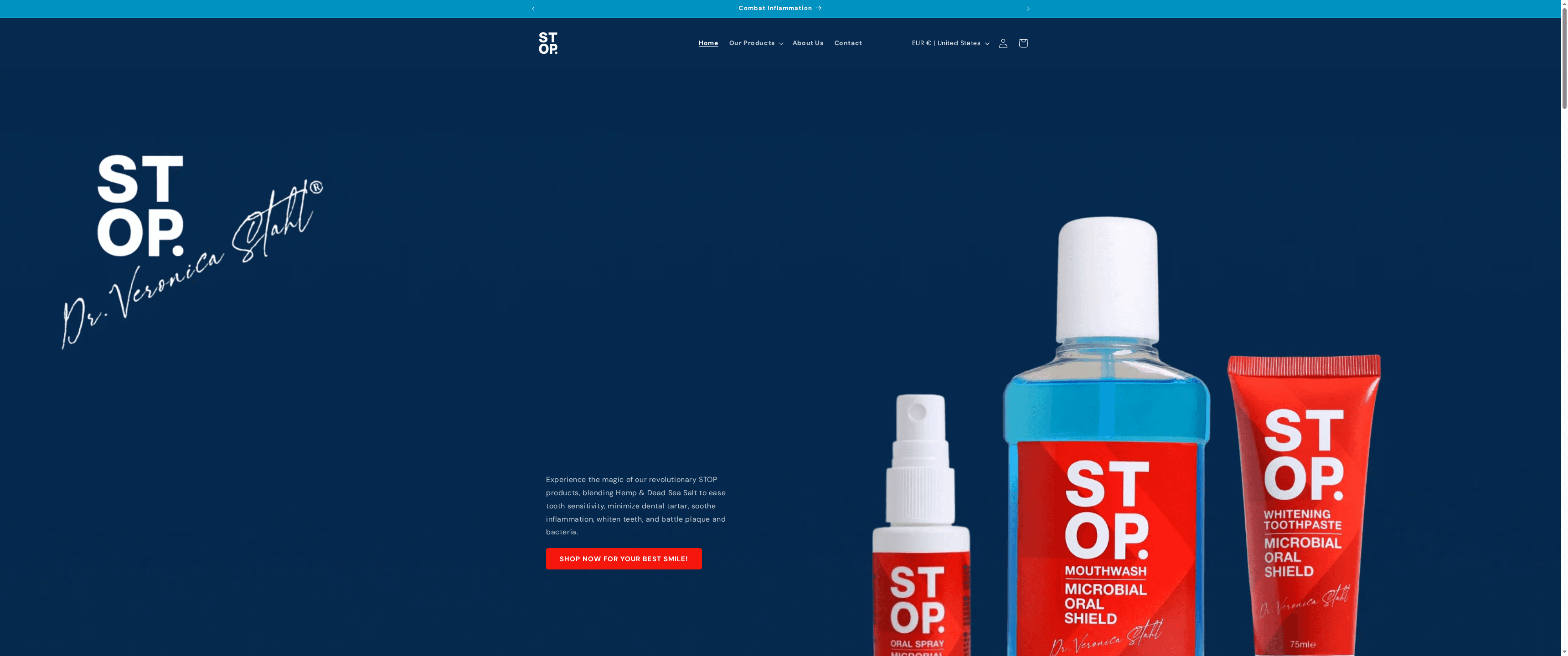
The sensitive toothpaste supports enamel remineralization and tubule comfort through Dead Sea mineral compounds, without the irritation risk that fluoride formulations can carry for some patients. The spray provides targeted, on-demand relief between brushing sessions. To view the full product range and order directly, visit Stop-oralcare’s sensitive product page. If your dentist has recommended a professional fluoride varnish alongside home care, consult them before combining any topical product with that treatment to confirm compatibility.
Sources
The following clinical and institutional resources were used to support the guidance in this article and are available for readers who wish to consult primary evidence directly.
- PMC article on dentinal hypersensitivity (review)
- ADA: Whitening (oral health topics)
- Mayo Clinic: Sensitive Teeth (FAQ)
- Johns Hopkins Medicine: Sensitive Teeth
This article provides general informational guidance and does not substitute for professional dental advice. Consult a qualified dentist to confirm that any product or treatment is appropriate for your specific clinical situation.
This article is general information, not a substitute for advice from a qualified doctor. Consult a qualified healthcare professional about your own circumstances before acting on anything here.