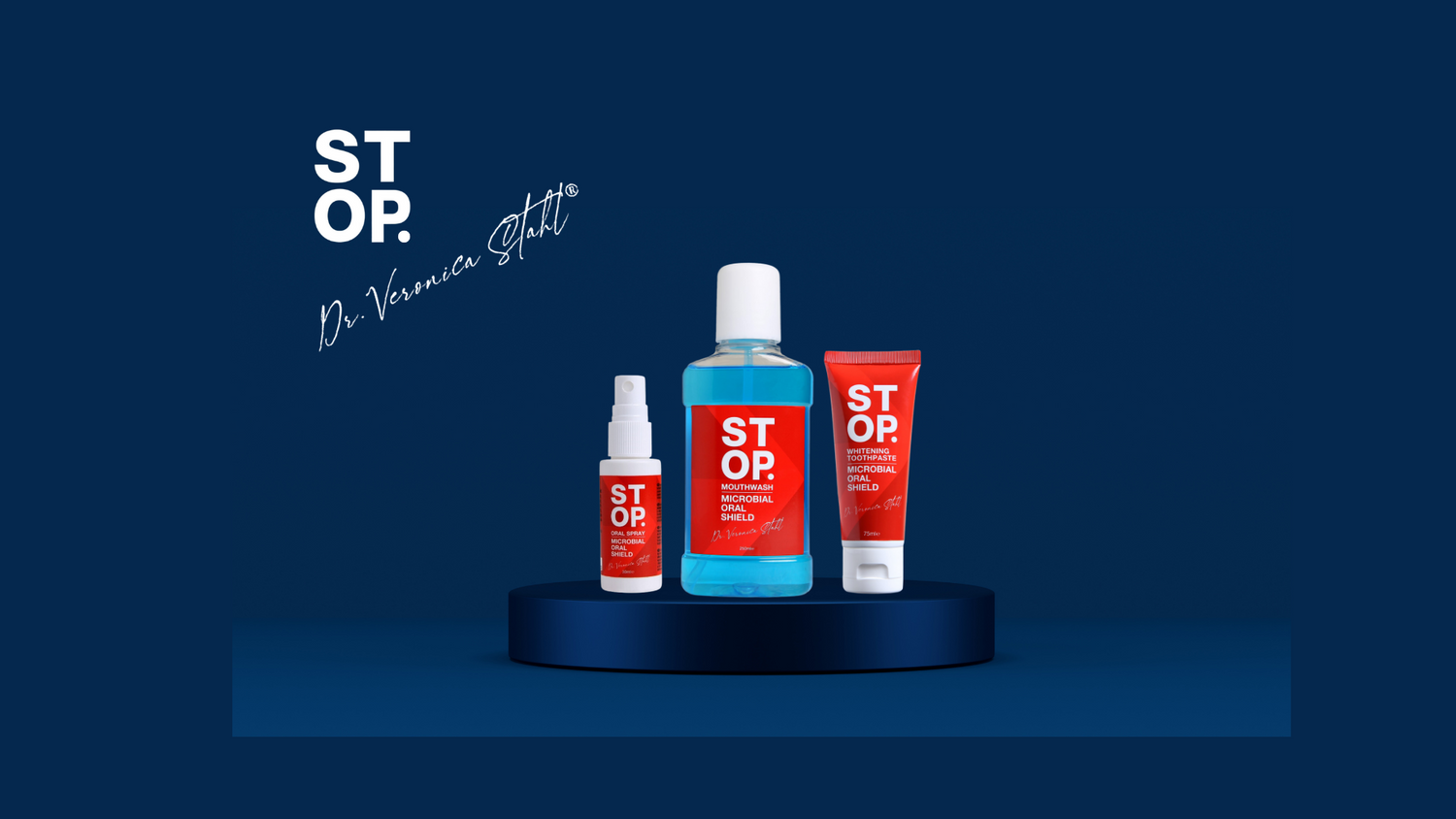


Growing concerns about fluoride safety and a desire for cleaner ingredients drive many toward natural oral care. Hydroxyapatite toothpaste and herbal formulations offer scientifically validated alternatives that protect enamel and support gum health. This guide walks you through a structured, evidence-based approach to switching safely, ensuring you maintain optimal oral health while embracing natural products that align with your wellness values.
Table of Contents
- Understanding Natural Oral Products And Why Switch
- Preparing To Switch: What You Need To Know And Gather
- Step-By-Step Guide To Switching To Natural Oral Care Products
- Monitoring, Troubleshooting, And Expected Results
- Explore Safe Natural Oral Care Solutions
- Frequently Asked Questions About Switching To Natural Oral Products
Key takeaways
| Point | Details |
|---|---|
| Natural alternatives work | Hydroxyapatite and herbal products deliver effective cavity prevention and enamel remineralization backed by clinical research. |
| Preparation is essential | Understanding ingredients, selecting science-supported products, and assembling the right tools ensure a smooth transition. |
| Gradual switching minimizes risk | A step-by-step approach prevents oral health setbacks and allows your mouth to adapt comfortably. |
| Monitor your progress | Regular tracking of enamel health and plaque levels confirms success and catches issues early. |
| Results take time | Expect measurable improvements in enamel strength and cavity resistance within three to six months. |
Understanding natural oral products and why switch
Your tooth enamel stands as the hardest substance in your body, composed of 96% hydroxyapatite, a calcium phosphate mineral that gives teeth their incredible strength. When you eat or drink, acids produced by bacteria like Streptococcus mutans attack this mineral structure, causing demineralization that leads to cavities. Traditional fluoride toothpaste works by converting hydroxyapatite to fluorapatite, a more acid-resistant form. Natural alternatives take a different path.
Hydroxyapatite toothpaste delivers the exact mineral your teeth need for repair. This biomimetic approach means you’re giving enamel its native building blocks rather than substituting them with fluoride compounds. The nano-sized particles in quality formulations penetrate microscopic defects in enamel, filling gaps and strengthening weak spots. Research shows this mechanism effectively prevents cavities while supporting natural remineralization processes your saliva already performs.
Herbal oral care products bring additional benefits through antimicrobial, anti-inflammatory, and antioxidant properties. Botanicals like neem, clove, and tea tree oil combat harmful bacteria without disrupting your oral microbiome’s beneficial species. Chamomile and aloe vera soothe inflamed gums, while green tea extracts provide polyphenols that inhibit bacterial growth. These plant compounds work synergistically, offering multiple protective mechanisms rather than relying on a single active ingredient.
Understanding these mechanisms matters because informed choices lead to better outcomes. You’re not just swapping products randomly. You’re selecting formulations that align with how your body naturally maintains oral health. Hydroxyapatite toothpaste represents a scientifically validated alternative, not a compromise.
Key benefits of natural oral products include:
- Direct enamel repair using biocompatible minerals that integrate seamlessly with tooth structure
- Reduced exposure to synthetic additives, artificial colors, and potentially irritating detergents
- Support for oral microbiome balance rather than indiscriminate bacterial elimination
- Lower risk of fluorosis in children and elimination of fluoride ingestion concerns
- Gentle formulations suitable for sensitive teeth and gums
The science behind these products continues advancing rapidly. Researchers refine particle sizes, optimize delivery systems, and identify synergistic botanical combinations that enhance effectiveness. You’re entering natural oral care at a time when evidence-based options rival conventional products in performance while offering additional safety advantages.
Preparing to switch: what you need to know and gather
Successful transition starts with selecting the right products. Hydroxyapatite and fluoride toothpastes show equivalent effectiveness in preventing cavities and promoting remineralization, giving you confidence in making the switch. Look for formulations containing at least 10% nano-hydroxyapatite for optimal results. Check ingredient lists carefully, avoiding products with sodium lauryl sulfate if you experience canker sores, as this detergent can irritate sensitive tissues.
Herbal toothpastes vary widely in quality and composition. Prioritize brands that disclose exact botanical extract concentrations and provide third-party testing verification. Effective herbal ingredients include xylitol for bacterial interference, neem for antimicrobial action, and myrrh for gum health. Avoid products making unrealistic claims or lacking transparent ingredient sourcing. Choosing fluoride-free toothpaste requires evaluating both active ingredients and supporting components that enhance delivery and stability.
| Product Type | Key Ingredients to Seek | What to Avoid |
|---|---|---|
| Toothpaste | Nano-hydroxyapatite 10%+, xylitol, neem extract | SLS, artificial sweeteners, synthetic dyes |
| Mouthwash | Essential oils (tea tree, peppermint), aloe vera | Alcohol, synthetic preservatives, artificial colors |
| Floss | Natural silk or plant-based fibers, beeswax coating | PFAS chemicals, synthetic flavors, petroleum-based wax |
Assemble your complete natural oral care toolkit before starting the transition. You’ll need a soft-bristled toothbrush, preferably with bamboo or recycled materials if sustainability matters to you. Natural dental floss made from silk or plant fibers provides effective cleaning without microplastic concerns. Add an alcohol-free mouthwash containing essential oils and botanical extracts for additional antimicrobial protection. Consider a tongue scraper, as this simple tool removes bacteria-harboring biofilm that brushing alone misses.
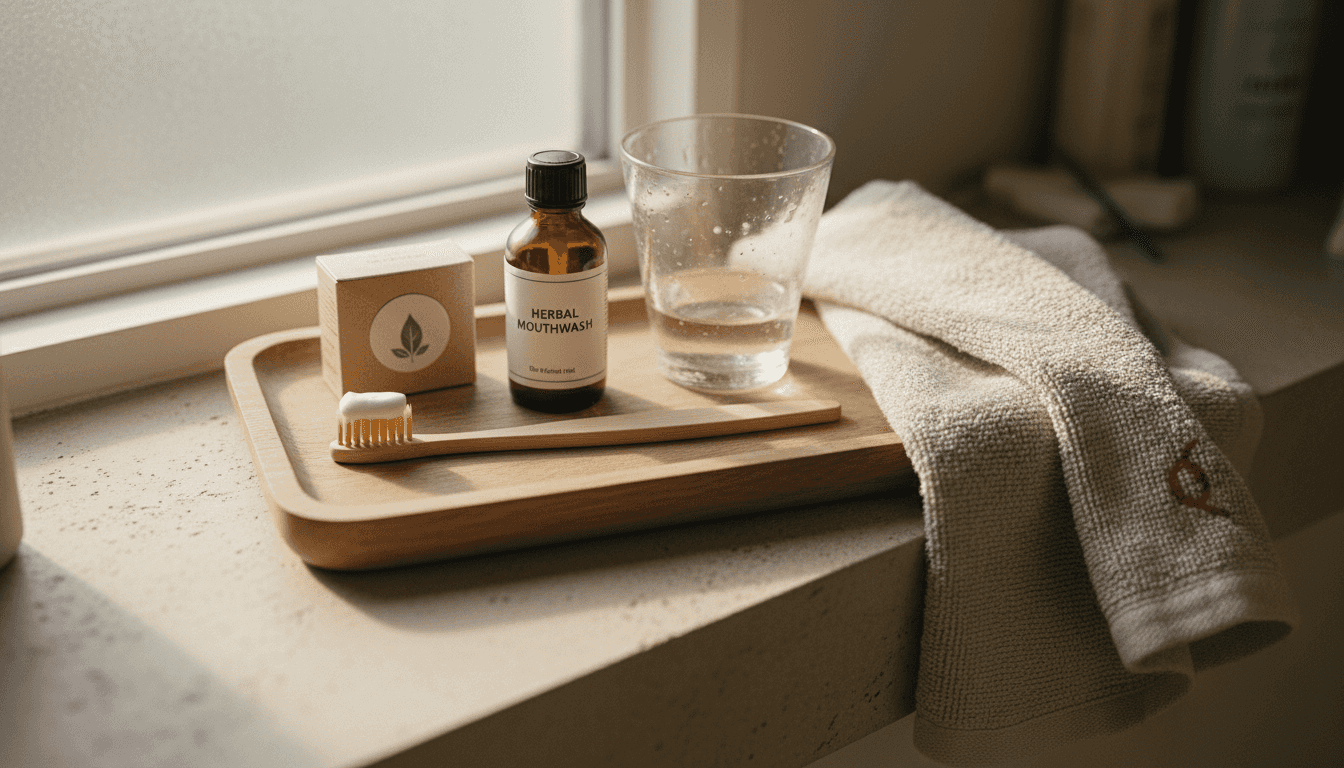
Pro Tip: Start your switch during a period of stable oral health, not when dealing with active cavities or gum disease. Address existing dental issues with professional treatment first, then transition to natural maintenance products for optimal results.
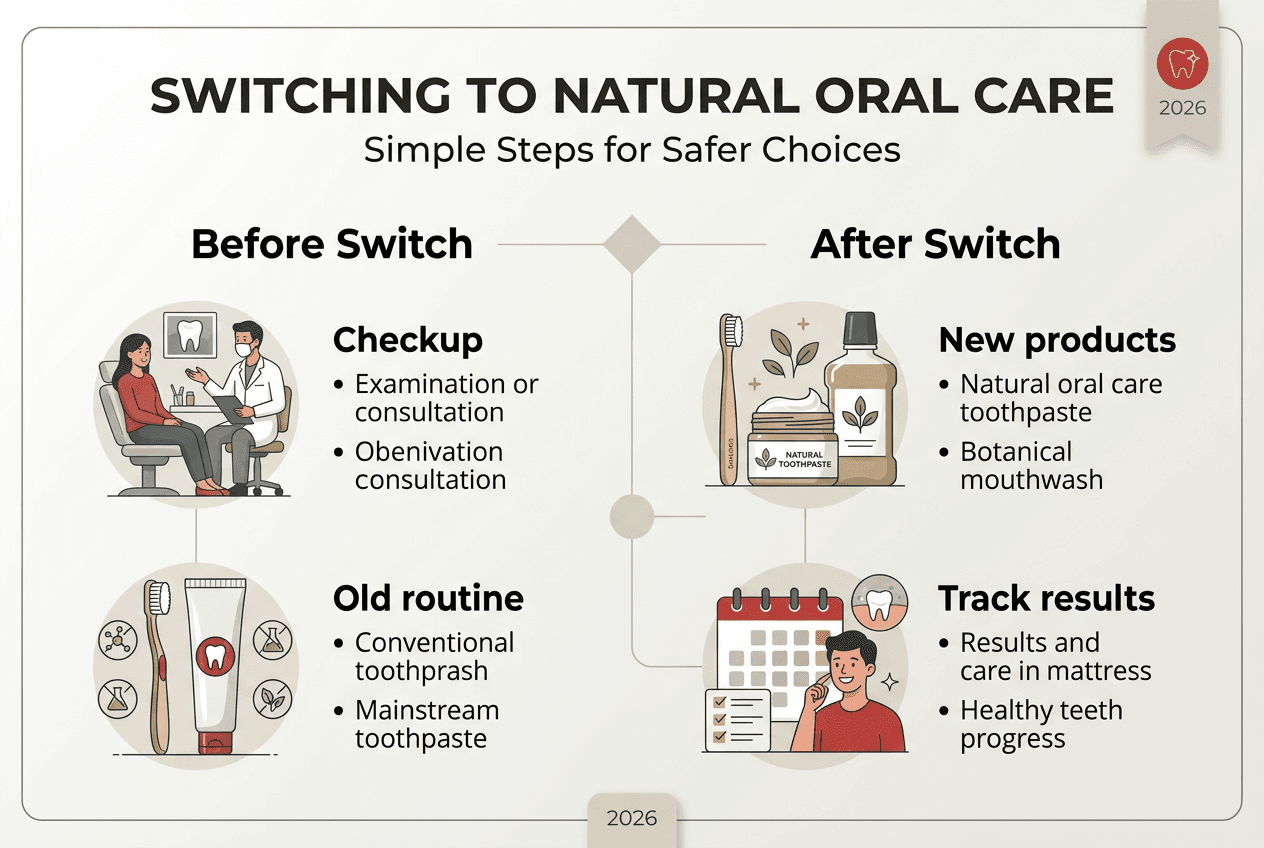
Document your baseline oral health status. Take clear photos of your teeth and gums in good lighting. Note any areas of sensitivity, existing fillings, or gum recession. This documentation helps you track changes objectively rather than relying on subjective impressions. Schedule a dental cleaning and examination before switching, establishing a professional baseline for comparison at your next visit.
Understand that natural oral care transition involves an adjustment period. Your mouth has adapted to conventional products, and changing the chemical environment requires time. Some people notice increased sensitivity initially as enamel adjusts to new remineralization patterns. Others experience temporary changes in taste perception as they adapt to natural flavors without artificial sweeteners. These effects typically resolve within two to four weeks.
Step-by-step guide to switching to natural oral care products
Begin your transition by replacing conventional toothpaste with a hydroxyapatite formulation. Use your new toothpaste exclusively for two weeks, maintaining your existing brushing routine of twice daily for two minutes each session. This focused change lets you assess how your teeth respond to the primary active ingredient before introducing other variables. Pay attention to how your mouth feels, noting any sensitivity changes or differences in the clean sensation after brushing.
Follow this sequence for a complete transition:
-
Week 1-2: Switch to hydroxyapatite or herbal toothpaste while keeping other products the same. Brush morning and evening, ensuring you cover all tooth surfaces thoroughly. Spit out excess but avoid rinsing immediately, allowing active ingredients maximum contact time with enamel.
-
Week 3-4: Introduce natural mouthwash, using it once daily after your evening brushing. Swish for 30 to 60 seconds, reaching between teeth and along the gumline. The combination of nanohydroxyapatite and fluoride shows enhanced protection, suggesting that layering natural products with complementary mechanisms amplifies benefits.
-
Week 5-6: Replace conventional floss with natural alternatives. Floss at least once daily, preferably before evening brushing to remove debris that toothpaste can then address. Natural floss may feel different initially, often requiring slightly more care to avoid fraying, but technique adaptation happens quickly.
-
Week 7-8: Add supplementary natural products like oil pulling with coconut oil or using a probiotic oral rinse. These optional additions support oral microbiome health and provide extra antimicrobial protection. Oil pulling works best on an empty stomach, swishing one tablespoon of oil for 10 to 20 minutes before spitting and brushing normally.
-
Ongoing: Establish your natural oral routine with consistent timing and technique. Morning and evening brushing, daily flossing, and optional mouthwash use form the foundation. Add weekly treatments like remineralizing gels or herbal gum massages as desired.
Pro Tip: Keep a simple journal during your first month, noting daily observations about sensitivity, plaque formation, and gum health. This record helps identify patterns and provides valuable information if you need to adjust your routine or consult your dentist.
Expect an adjustment period where your mouth recalibrates. You might notice increased plaque formation initially as your oral microbiome shifts. This temporary effect reflects bacterial populations adapting to the new chemical environment. Maintain meticulous brushing and flossing during this phase, and the excess plaque typically resolves within three to four weeks. Some people experience mild sensitivity to temperature or pressure as enamel remineralizes. This sensitivity indicates active repair processes and usually diminishes as mineral density increases.
Address challenges proactively. If sensitivity persists beyond four weeks, reduce brushing pressure and verify you’re using a soft-bristled brush. Consider applying hydroxyapatite toothpaste to sensitive areas and leaving it on overnight without rinsing. If gums become irritated, ensure you’re not allergic to specific botanical ingredients by eliminating products one at a time to identify the culprit. Your dentist can provide guidance on managing persistent issues while continuing your natural approach.
Consistency determines success more than product selection. The workflow for safer oral hygiene emphasizes regular, thorough cleaning over sporadic intensive efforts. Brush for the full two minutes twice daily, floss every evening without exception, and maintain six-month dental checkups. Natural products work through cumulative action, building enamel strength and supporting beneficial bacteria over time rather than delivering instant results.
Monitoring, troubleshooting, and expected results
Track your progress using objective measures rather than subjective feelings alone. Examine your teeth weekly in bright, natural light, looking for changes in enamel translucency, color uniformity, and surface smoothness. Healthy enamel appears slightly translucent at the edges and has a consistent, lustrous surface. Run your tongue over your teeth, noting whether they feel smoother and cleaner between brushings as remineralization progresses. Check your gums for color, firmness, and any bleeding during flossing, as healthy gums appear pink, firm, and bleed minimally.
Clinical studies demonstrate significant improvements in lesion size and fluorescence after six months using hydroxyapatite toothpaste compared to fluoride formulations. You should notice initial changes within four to six weeks, with substantial benefits becoming apparent by the three-month mark. Early indicators include reduced sensitivity, less plaque accumulation, and a cleaner mouth feeling that lasts longer between brushings. By six months, expect measurable improvements in enamel strength and cavity resistance.
Avoid these common mistakes that undermine natural oral care effectiveness:
- Inconsistent product use or frequent switching between brands before allowing adequate trial periods
- Insufficient brushing time or poor technique that leaves plaque deposits intact
- Neglecting flossing, which removes up to 40% of plaque that brushing misses
- Rinsing immediately after brushing, washing away beneficial ingredients before they can work
- Ignoring professional dental care, assuming natural products eliminate the need for checkups
Compare product options systematically when refining your routine:
| Feature | Hydroxyapatite Toothpaste | Herbal Toothpaste | Combined Formulation | | — | — | — | | Primary Mechanism | Direct enamel remineralization | Antimicrobial and anti-inflammatory | Synergistic mineral and botanical action | | Evidence Level | Strong clinical trials | Moderate traditional use data | Emerging research support | | Sensitivity Risk | Very low | Low to moderate depending on botanicals | Low with quality formulations | | Best For | Enamel repair and cavity prevention | Gum health and microbiome support | Comprehensive oral health maintenance |
Recognize that botanical extract standardization remains challenging, and long-term safety data continues accumulating. Choose products from reputable manufacturers who provide transparent testing results and clear ingredient sourcing. If you experience unexpected reactions like persistent irritation, discontinue the suspect product and revert to a simpler formulation while identifying the problematic ingredient.
Schedule a dental examination three to six months after completing your transition. Your dentist can assess enamel condition, cavity development, and gum health objectively using clinical tools. Share your natural oral hygiene checklist and product information so your dental team understands your approach. Most dentists support natural oral care when patients demonstrate commitment to thorough home care and regular professional monitoring.
Measure success through multiple indicators. Reduced cavity formation between checkups confirms effective prevention. Stable or improved gum attachment levels indicate successful periodontal maintenance. Decreased sensitivity to temperature and pressure suggests enhanced enamel mineralization. Fresher breath that lasts longer between brushings reflects better bacterial balance. These objective markers provide reliable feedback on whether your natural approach delivers the oral health outcomes you seek.
Adjust your routine based on results and changing needs. Increase remineralizing product application frequency if you notice new sensitivity or enamel concerns. Add targeted herbal treatments for gum inflammation or bleeding. Reduce product complexity if you experience irritation, focusing on core essentials until your mouth stabilizes. Natural oral care offers flexibility to customize your approach while maintaining evidence-based effectiveness.
Explore safe natural oral care solutions
Your commitment to natural oral health deserves products that match your standards for safety and effectiveness. Our curated selection features fluoride-free formulations with hydroxyapatite, hemp extracts, and Dead Sea minerals, all backed by scientific research and developed under expert guidance. Each product undergoes rigorous testing to ensure it delivers genuine oral health benefits without compromising on natural ingredient integrity.
Discover natural oral care products designed specifically for health-conscious individuals who refuse to choose between effectiveness and clean ingredients. Our comprehensive guides help you navigate the transition to natural oral care with confidence, providing the knowledge and tools you need for lasting oral health success. Join a community that prioritizes scientifically validated natural solutions, and experience the difference that thoughtfully formulated products make in your daily routine.
Frequently asked questions about switching to natural oral products
Is hydroxyapatite toothpaste safe for children?
Yes, hydroxyapatite toothpaste is safe for children of all ages because it’s non-toxic if swallowed. Unlike fluoride, which poses fluorosis risks when ingested during tooth development, hydroxyapatite is the same mineral that naturally comprises tooth enamel. Parents can use it confidently for young children who haven’t mastered spitting, eliminating concerns about accidental ingestion while still providing effective cavity protection.
How long does it take to see benefits switching to natural oral products?
Most people notice initial improvements within four to six weeks, including reduced sensitivity and better mouth freshness between brushings. Substantial benefits like measurable enamel strengthening and enhanced cavity resistance typically become apparent after three to six months of consistent use. Clinical studies confirm that hydroxyapatite delivers significant results within this timeframe, matching or exceeding conventional fluoride toothpaste performance.
Can herbal toothpaste replace fluoride toothpaste completely?
Herbal toothpaste can effectively replace fluoride when formulated with proven remineralizing agents like hydroxyapatite or calcium phosphate compounds. Botanicals alone may not provide sufficient enamel protection, but combined formulations that pair herbs with biomimetic minerals deliver comprehensive cavity prevention. Choose products with transparent ingredient lists and clinical backing rather than relying solely on traditional use claims.
What should I do if I experience sensitivity switching to natural products?
Temporary sensitivity during the first two to four weeks is normal as your enamel adjusts to new remineralization patterns. Reduce brushing pressure, verify you’re using a soft-bristled brush, and apply hydroxyapatite toothpaste to sensitive areas without rinsing before bed. If sensitivity persists beyond four weeks or worsens, consult your dentist to rule out underlying issues unrelated to the product switch.
Are natural oral care products effective against cavities?
Yes, quality natural oral care products with hydroxyapatite or other proven remineralizing agents effectively prevent cavities. Research demonstrates that hydroxyapatite matches fluoride effectiveness for cavity prevention and enamel repair. Success requires choosing scientifically validated formulations rather than products making unsupported claims, combined with consistent brushing, flossing, and regular dental checkups. Review our fluoride-free toothpaste guide for detailed product selection criteria.