

TL;DR:
- Mineral-based mouthwash containing nano-hydroxyapatite rapidly reduces dentin hypersensitivity and supports enamel remineralization. It neutralizes acids during erosive challenges and provides antimicrobial benefits, serving as an alternative for fluoride-averse users. Proper usage involves swishing 20 mL for 30 seconds after acidic exposure, with consistent daily application for best results.
Mineral-based mouthwash is defined as an oral rinse formulated with bioactive calcium phosphate compounds, most commonly nano-hydroxyapatite, to remineralize tooth enamel, neutralize acid, and reduce dentin hypersensitivity. This guide to mineral-based mouthwash covers the clinical evidence, key ingredients, and daily usage protocols that make these rinses a scientifically supported option for natural oral care. A 2025 randomized controlled trial demonstrated that biomimetic hydroxyapatite mouthwash reduces dentin hypersensitivity within 30 seconds of application. That finding positions mineral rinses not just as preventive tools, but as fast-acting therapeutic agents. Products such as Trace Minerals Research Mineral Mouth Rinse represent the growing category of mineral mouthwash for oral health, and the research behind them has expanded considerably in 2025 and 2026.
What is in a mineral-based mouthwash and how does it work?
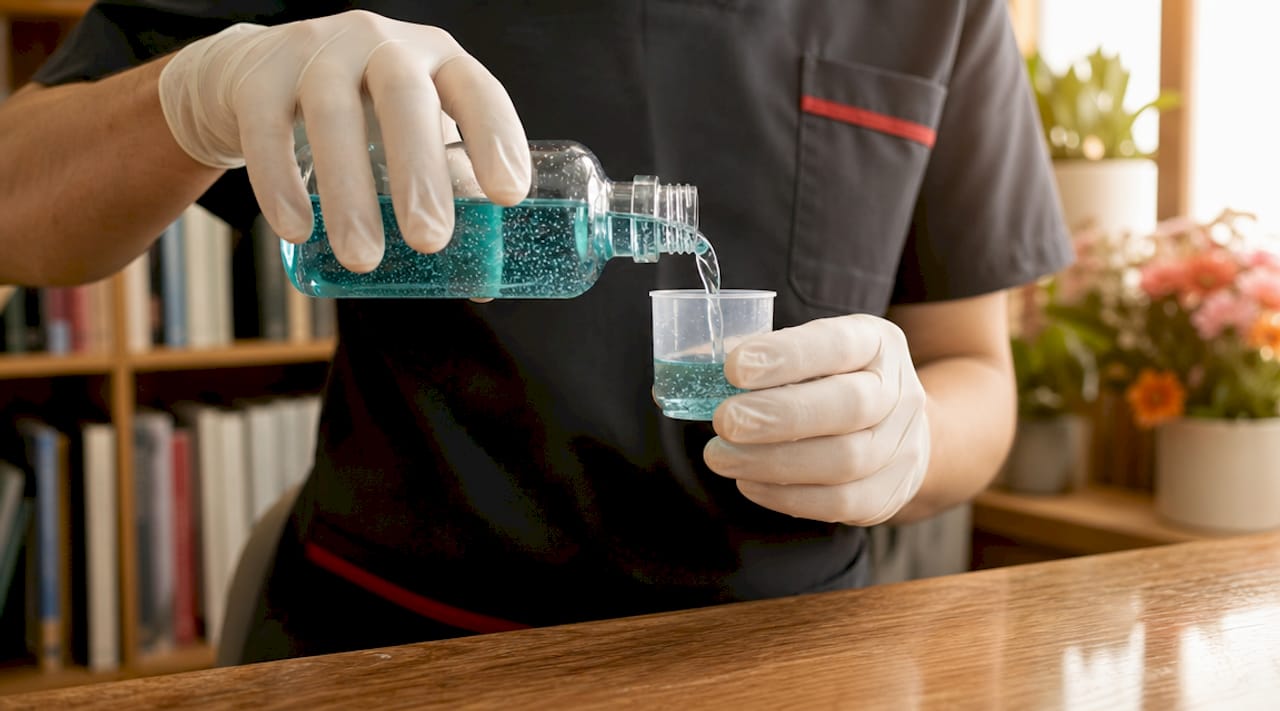
Nano-hydroxyapatite is the primary active ingredient in most mineral mouthwashes. It is a synthetic form of the same calcium phosphate mineral that makes up approximately 97% of tooth enamel. When applied as a rinse, nano-hydroxyapatite particles deposit directly onto enamel surfaces and into exposed dentinal tubules, physically restoring mineral content lost to acid erosion or abrasion.
The mechanism operates on two levels. First, mineral ion release from hydroxyapatite particles raises the local concentration of calcium and phosphate ions in saliva, creating a supersaturated environment that drives remineralization. Second, particulate hydroxyapatite neutralizes more than 98% of dissociated acid during erosive challenges. That acid neutralization capacity means the rinse acts dynamically during an acid attack, not only after the fact.
Beyond hydroxyapatite, well-formulated mineral mouthwashes include several supporting agents:
- Zinc lactate: Reduces bacterial adhesion and inhibits volatile sulfur compound production, addressing both biofilm formation and halitosis.
- Licorice extract (glycyrrhizin): Provides anti-inflammatory and antioxidant activity, supporting soft tissue health alongside enamel repair.
- Cetylpyridinium chloride (CPC): A quaternary ammonium compound that disrupts microbial cell membranes, broadening the antimicrobial spectrum of the rinse.
- Buffering agents (sodium bicarbonate or calcium carbonate): Maintain an alkaline pH in the rinse, extending the window of acid neutralization after rinsing.
A 2025 MDPI study confirmed that nano-hydroxyapatite formulations with zinc lactate and licorice extract demonstrate strong antimicrobial activity against Staphylococcus aureus and Candida albicans, along with measurable antioxidant and anti-inflammatory effects. This multifunctional profile distinguishes mineral mouthwashes from simple saline or herbal rinses that address only one aspect of oral health.
Pro Tip: Look for formulations that list nano-hydroxyapatite at a concentration of 10% or higher. Lower concentrations may not provide sufficient mineral ion release for meaningful remineralization.
How to use mineral mouthwash for maximum benefit
Correct usage protocol determines whether a mineral rinse delivers its full clinical benefit. The following steps reflect both manufacturer guidance from products like Trace Minerals Research and the scientific rationale established in current literature.
- Measure 20 mL of rinse. Most mineral mouthwash products specify 20 mL per use. Using less reduces mineral ion delivery; using more does not proportionally increase benefit.
- Rinse actively for 30 seconds. Swish the liquid through all tooth surfaces, including posterior regions. Thirty seconds is the minimum contact time shown to produce measurable tubule occlusion in clinical trials.
- Spit completely. Do not swallow. Mineral rinses are formulated for topical application. Swallowing does not improve outcomes and may introduce unnecessary mineral load.
- Time your rinse after acidic exposures. Applying mineral mouthwash after consuming coffee, citrus, or carbonated beverages leverages the acid neutralization properties of hydroxyapatite at the moment enamel is most vulnerable.
- Wait at least 30 minutes after brushing with fluoride toothpaste if you use both products. Fluoride and hydroxyapatite compete for the same enamel binding sites, and immediate sequential use may reduce the efficacy of both.
- Use once or twice daily. Daily consistency produces cumulative remineralization. Twice-daily use is appropriate for individuals with active sensitivity or high acid exposure from diet.
Pro Tip: If you experience tooth sensitivity after cold drinks, rinse with your mineral mouthwash immediately afterward rather than waiting for your regular oral hygiene routine. The rapid tubule occlusion effect can reduce discomfort within seconds.
For individuals managing sensitivity, the Stop-oralcare natural mouthwash guide for sensitive teeth provides additional protocol adjustments based on sensitivity severity.
Mineral mouthwash vs. fluoride rinse: which should you choose?
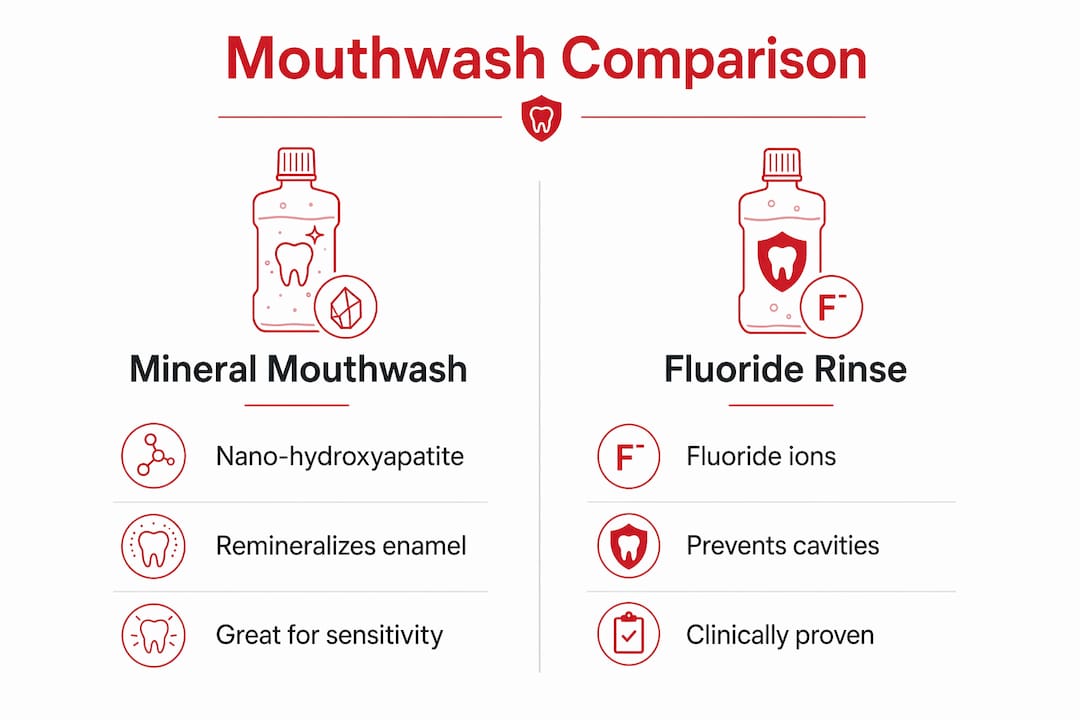
Fluoride remains the clinically established gold standard for cavity prevention. Fluoride ions integrate into enamel crystal structure, forming fluorapatite, which is more resistant to acid dissolution than natural hydroxyapatite. This mechanism is well-documented across decades of population-level research.
Nano-hydroxyapatite functions differently. Rather than chemically altering enamel structure, it physically deposits onto and into enamel surfaces, restoring lost mineral volume. Expert consensus in 2026 positions nano-hydroxyapatite as a supported alternative for fluoride-averse individuals and those at lower cavity risk, not as a universal replacement for fluoride in high-risk patients.
The table below compares the most common types of natural mouthwash and oral rinse categories:
| Rinse Type | Key Ingredient | Primary Benefit | Best For |
|---|---|---|---|
| Mineral (nano-HAp) | Nano-hydroxyapatite | Remineralization, acid neutralization | Sensitivity, fluoride-averse users |
| Fluoride | Sodium fluoride | Cavity prevention, enamel hardening | High cavity-risk individuals |
| Saltwater | Sodium chloride | Antimicrobial, wound healing | Post-procedure, gum irritation |
| Baking soda | Sodium bicarbonate | pH buffering, mild whitening | Acid neutralization, low-cost option |
| Herbal (oil pulling) | Coconut oil, clove, neem | Antimicrobial, anti-inflammatory | Mild gum health support |
Among natural mouthwash alternatives, saltwater and baking soda rinses offer accessible, low-cost options with limited remineralization capacity. Herbal rinses provide antimicrobial benefits but lack the mineral ion delivery needed for enamel repair. Mineral mouthwashes occupy a distinct position: they address both remineralization and antimicrobial activity in a single formulation.
Selecting between these options depends on individual cavity risk, fluoride tolerance, and primary oral health concern. For a detailed comparison of hydroxyapatite and fluoride products, the Stop-oralcare hydroxyapatite vs. fluoride comparison provides evidence-based guidance. Individuals with a history of high cavity incidence should consult a dentist before substituting fluoride with mineral-only products.
Troubleshooting common issues with mineral mouthwash
Mineral mouthwashes are well-tolerated by most users, but several practical challenges arise during initial use or product selection.
“Mineral mouthwash is a complement to brushing and flossing, not a substitute. Consistent mechanical plaque removal remains the foundation of cavity prevention regardless of the rinse used.” — Dental expert consensus, 2026
Taste and mouthfeel: Some nano-hydroxyapatite formulations produce a slightly chalky or mineral aftertaste due to suspended particles. This is normal and resolves within seconds of spitting. Choosing products with flavoring agents like mint or xylitol reduces this perception without affecting efficacy.
Selecting a reputable product: The mineral mouthwash market includes products with widely varying hydroxyapatite concentrations and formulation quality. Prioritize products that disclose nano-hydroxyapatite concentration, carry third-party testing certification, and list supporting agents such as zinc lactate or fluoride-free buffering compounds. The Stop-oralcare best mineral-based oral care comparison evaluates leading options against these criteria.
Timeline expectations: Biomimetic hydroxyapatite produces rapid sensitivity relief, often within the first application. Long-term cavity prevention, however, requires consistent daily use over weeks to months. Users who discontinue after a few days based on absence of visible change are misapplying the product.
When to consult a dentist: Persistent sensitivity, visible enamel erosion, or new cavity development despite consistent mineral mouthwash use indicates that the individual’s cavity risk level exceeds what mineral-only products can address. Fluoride-based products or professional fluoride treatments may be necessary. Nutrition also plays a role; dietary habits directly affect enamel remineralization capacity and should be assessed alongside any oral rinse protocol.
Mineral mouthwash complements but does not replace brushing and flossing. Dental experts consistently emphasize that mechanical plaque removal remains the primary defense against caries and periodontal disease.
Key takeaways
Mineral-based mouthwash delivers measurable oral health benefits through nano-hydroxyapatite’s capacity to remineralize enamel, neutralize acid, and reduce sensitivity within seconds of application.
| Point | Details |
|---|---|
| Core mechanism | Nano-hydroxyapatite deposits mineral ions onto enamel and occludes dentinal tubules to reduce sensitivity. |
| Acid neutralization timing | Rinsing immediately after acidic foods or drinks maximizes enamel protection during active erosive attacks. |
| Fluoride comparison | Mineral mouthwash is a clinically supported alternative for low-risk or fluoride-averse users, not a universal fluoride replacement. |
| Usage protocol | Use 20 mL for 30 seconds, once or twice daily, and avoid swallowing the rinse. |
| Routine integration | Mineral mouthwash complements brushing and flossing; it does not substitute for mechanical plaque removal. |
A clinician’s perspective on mineral rinses in daily practice
The most consistent observation I have made with nano-hydroxyapatite mouthwashes is how quickly patients report sensitivity relief. Many expect weeks before noticing any change. The reality, supported by the 2025 RCT data, is that tubule occlusion begins within the first rinse. That immediate feedback changes patient compliance significantly.
What I find underappreciated is the timing variable. Most patients rinse at the end of their oral hygiene routine, which is logical but suboptimal for acid protection. Shifting the rinse to the post-meal window, particularly after coffee or citrus, puts the acid neutralization mechanism to work precisely when enamel is under chemical stress. This single adjustment produces better outcomes than increasing rinse frequency.
The comparison with fluoride deserves a measured view. Fluoride is not obsolete, and mineral mouthwash is not superior across all patient profiles. The correct framing is that nano-hydroxyapatite fills a genuine clinical gap for patients who cannot or will not use fluoride, and it does so with a well-documented mechanism. For patients at moderate sensitivity with low-to-moderate cavity risk, a mineral rinse paired with a mineral toothpaste and consistent brushing is a defensible and effective protocol. Explore the remineralizing mouthwash research at Stop-oralcare for the supporting evidence behind this approach.
— Veronica
Explore mineral mouthwash products at Stop-oralcare
Stop-oralcare formulates its oral care line with Dead Sea minerals and hemp-derived compounds, providing a fluoride-free approach to enamel remineralization and sensitivity relief backed by current clinical research.
If you are ready to incorporate a mineral rinse into your daily routine, Stop-oralcare offers product guidance and formulation details designed for individuals seeking natural, scientifically supported oral care. Visit Stop-oralcare’s mineral mouthwash collection to review available options, ingredient disclosures, and usage recommendations developed by Dr. Veronica Stahl. For readers comparing specific products, the mineral mouthwash examples for sensitive teeth resource provides a curated breakdown of leading formulations.
FAQ
What is mineral-based mouthwash?
Mineral-based mouthwash is an oral rinse containing bioactive minerals, primarily nano-hydroxyapatite, that remineralize tooth enamel, neutralize acid, and reduce dentin hypersensitivity. It differs from conventional antiseptic rinses by delivering calcium phosphate ions directly to enamel surfaces.
How quickly does mineral mouthwash reduce tooth sensitivity?
A 2025 randomized controlled trial found that biomimetic hydroxyapatite mouthwash reduces dentin hypersensitivity within 30 seconds of application. Tubule occlusion begins immediately upon contact, providing rapid symptom relief.
Can mineral mouthwash replace fluoride rinse?
Nano-hydroxyapatite is a supported alternative for fluoride-averse or low-cavity-risk individuals, but it is not a full substitute for fluoride in high-risk patients. Individuals with a history of frequent cavities should consult a dentist before switching.
When is the best time to use mineral mouthwash?
The optimal timing is immediately after consuming acidic foods or beverages, such as coffee, citrus, or carbonated drinks. This positions the rinse to neutralize residual acid while enamel is most susceptible to erosion.
Does mineral mouthwash replace brushing and flossing?
Mineral mouthwash does not replace brushing and flossing. Dental experts confirm that mechanical plaque removal remains the primary defense against cavities and gum disease, and mineral rinses function as a complement to that routine.