

Natural methods can lighten surface stains by a modest degree, while intrinsic discoloration generally requires professional intervention to achieve a comparable change in shade. Evidence-supported options such as controlled baking soda use, dilute hydrogen peroxide rinses, and daily oil pulling address plaque and surface pigmentation without the aggressive bleaching action of clinical treatments. Any onset of sensitivity or gum irritation during these regimens warrants discontinuation and a dental evaluation, particularly when the discoloration in question is intrinsic or resistant to home care.
TL;DR:
- Natural methods like baking soda, hydrogen peroxide rinses, and oil pulling can improve surface stains within two weeks but do little against intrinsic discoloration.
- External stains caused by coffee, wine, or tobacco are the most responsive to home care, while internal stains from aging or trauma require professional treatment.
- Acidic remedies and abrasive scrubs should be avoided due to risks of enamel erosion and permanent damage, especially in cases of increased sensitivity or uneven staining.
- A rotation of gentle protocols and enamel-friendly daily habits can support stain removal and prevent new discoloration without risking tooth health.
- Persistent or internal stains, or the presence of sensitivity, indicate the need for a dental examination and potential in-office whitening treatments.
Table of Contents
- Types of stains and which ones respond to home care
- Evidence-backed natural methods and realistic outcomes
- Methods to avoid and safety signals that mean stop
- Practical protocols: step-by-step safe use and monitoring
- Preventing new stains and habits that keep teeth looking better
- When to see a dentist and professional options
- What the clinical evidence actually supports
- Fitting natural stain care into a daily routine
- Sources
- FAQ
Types of stains and which ones respond to home care
Extrinsic stains form on the enamel surface and result from chromogenic compounds in coffee, tea, red wine, tobacco, and pigmented foods such as berries or turmeric-based dishes. These surface deposits are the category most responsive to the natural methods discussed in this article, since they sit above the enamel rather than within its structure.
Intrinsic stains originate inside the tooth, from causes including aging, tetracycline exposure during tooth development, or trauma that darkens the pulp. This type of discoloration typically requires professional treatment, since no topical natural agent can penetrate enamel to alter internal pigmentation.
Tartar, or mineralized plaque, often traps additional pigment on the tooth surface and can make staining appear more severe than it is. A professional cleaning to remove tartar buildup is frequently the appropriate first step before any whitening regimen, natural or clinical, is attempted.
Evidence-backed natural methods and realistic outcomes
Three approaches carry the strongest supporting evidence for surface stain management, each with a distinct mechanism and timeline.
- Baking soda: its mild abrasive action and alkaline pH lift surface pigment when used as a paste two to three times weekly, with visible change typically apparent within 10 to 14 days.
- Hydrogen peroxide rinse: a diluted 1.5 to 3% concentration produces mild oxidation of surface stains over cycles lasting no more than two weeks, though gum irritation and sensitivity are recognized side effects.
- Oil pulling: daily practice for four to six weeks yields a gradual cosmetic improvement tied to plaque reduction rather than direct bleaching.
A 2017 clinical study found that coconut oil pulling reduced plaque and gingivitis scores significantly after 30 days of daily use, according to a systematic review of natural bleaching agents. That plaque reduction removes the dulling film that makes enamel look darker, which explains the gradual rather than immediate cosmetic effect.
The same review found that peroxide-free natural agents lack strong evidence of effective bleaching when used on their own, though combining certain natural agents with peroxide may improve outcomes compared with peroxide alone. Food-based enzymes and plant-derived scrubs, often marketed as natural whiteners, have limited clinical support and can produce short-term surface changes that do not persist, with overuse carrying its own abrasion risk.
Activated charcoal deserves particular caution. An experimental study on popular natural whitening agents found that charcoal and similar abrasive DIY scrubs showed limited whitening efficacy while increasing enamel surface roughness, a change that raises long-term abrasion risk without a reliable cosmetic benefit. Acidic home remedies carry a comparable trade-off, discussed in the next section.

Methods to avoid and safety signals that mean stop
Lemon juice, apple cider vinegar, and similar acidic preparations are frequently recommended online as whitening agents, but their low pH erodes enamel on contact. This erosion is not reversible, and repeated exposure thins enamel to the point where the underlying dentin, which is naturally more yellow, becomes visible and makes teeth appear darker rather than lighter.
Abrasive scrubs, including repeated charcoal or baking soda applications used as a mechanical “sanding” technique, carry a similar risk. Enamel loss from this kind of overuse is permanent and can worsen the very discoloration the method was meant to treat.
- Watch for new or increased sensitivity to hot, cold, or sweet foods during any home regimen.
- Gum soreness, ulceration, or unusual paleness signal tissue irritation that requires stopping the method.
- A single tooth darkening faster than the others suggests an internal issue, such as nerve trauma, that home care cannot address.
Pro Tip: Test any new natural method on a small area for a few days and stop immediately if sensitivity appears, rather than waiting for it to resolve on its own.
Practical protocols: step-by-step safe use and monitoring
A rotation approach, alternating methods rather than combining them, limits cumulative abrasion while still addressing surface stains.
- Baking soda paste: mix a small amount of baking soda with water into a thick paste, brush gently for two minutes using light pressure, and limit use to two or three sessions per week.
- Hydrogen peroxide rinse: swish a 1.5 to 3% drugstore-strength solution for about 60 seconds, spit without swallowing, and limit cycles to one to two weeks before pausing.
- Oil pulling: swish a tablespoon of coconut oil for 10 to 20 minutes daily, ideally before brushing, and expect gradual improvement over four to six weeks rather than immediate results.
- Document progress: take a photo under consistent lighting once a week to track genuine change rather than relying on impression alone, and pause any method that produces sensitivity or gum changes rather than pushing through it.
Readers managing sensitive teeth may find a slower, lower-intensity approach more comfortable than running multiple methods at once.
Preventing new stains and habits that keep teeth looking better
Stain prevention often matters more than any single whitening method, since it protects results already achieved.
- Rinse with water within 30 seconds of drinking coffee, tea, or red wine, and consider a straw for beverages that contact the front teeth directly.
- Brush twice daily, floss once daily, and schedule a professional cleaning to remove tartar before starting any whitening regimen.
- Favor enamel-friendly foods, limit frequent acidic exposure from citrus or soda, and consider enamel-supporting products as part of daily maintenance.
These habits reduce the rate at which new pigment accumulates, which extends the visible effect of any natural stain-removal method.
When to see a dentist and professional options
Certain patterns call for a dental exam rather than continued home care: discoloration confined to one tooth, staining that resists weeks of consistent natural treatment, persistent sensitivity, or signs of gum disease. A dentist can also identify intrinsic staining that no topical method will resolve.
Professional cleaning and polishing removes tartar and surface pigment beyond what a toothbrush reaches. Microabrasion smooths minor surface irregularities, while in-office and take-home tray bleaching use carbamide or hydrogen peroxide to achieve deeper shade change than natural methods allow, according to NHS tooth-whitening guidance. That same guidance notes that dentists check for fillings, crowns, or exposed dentin before whitening, since restorations do not bleach and can end up visibly mismatched against newly lightened enamel.

What the clinical evidence actually supports
The gap between what natural stain-removal content promises and what the evidence supports is wider than most articles admit. Baking soda and oil pulling have genuine, if modest, backing. Activated charcoal and acidic “hacks” mostly have marketing behind them and measurable enamel risk in front of them.
A clinical perspective favors gentle, rotated protocols over aggressive daily regimens, paired with enamel-protective maintenance rather than repeated abrasion. Readers with existing sensitivity or staining that does not respond to a few weeks of consistent natural care should treat that as a signal to consult a dentist rather than intensify the home routine.
— Veronica
Fitting natural stain care into a daily routine
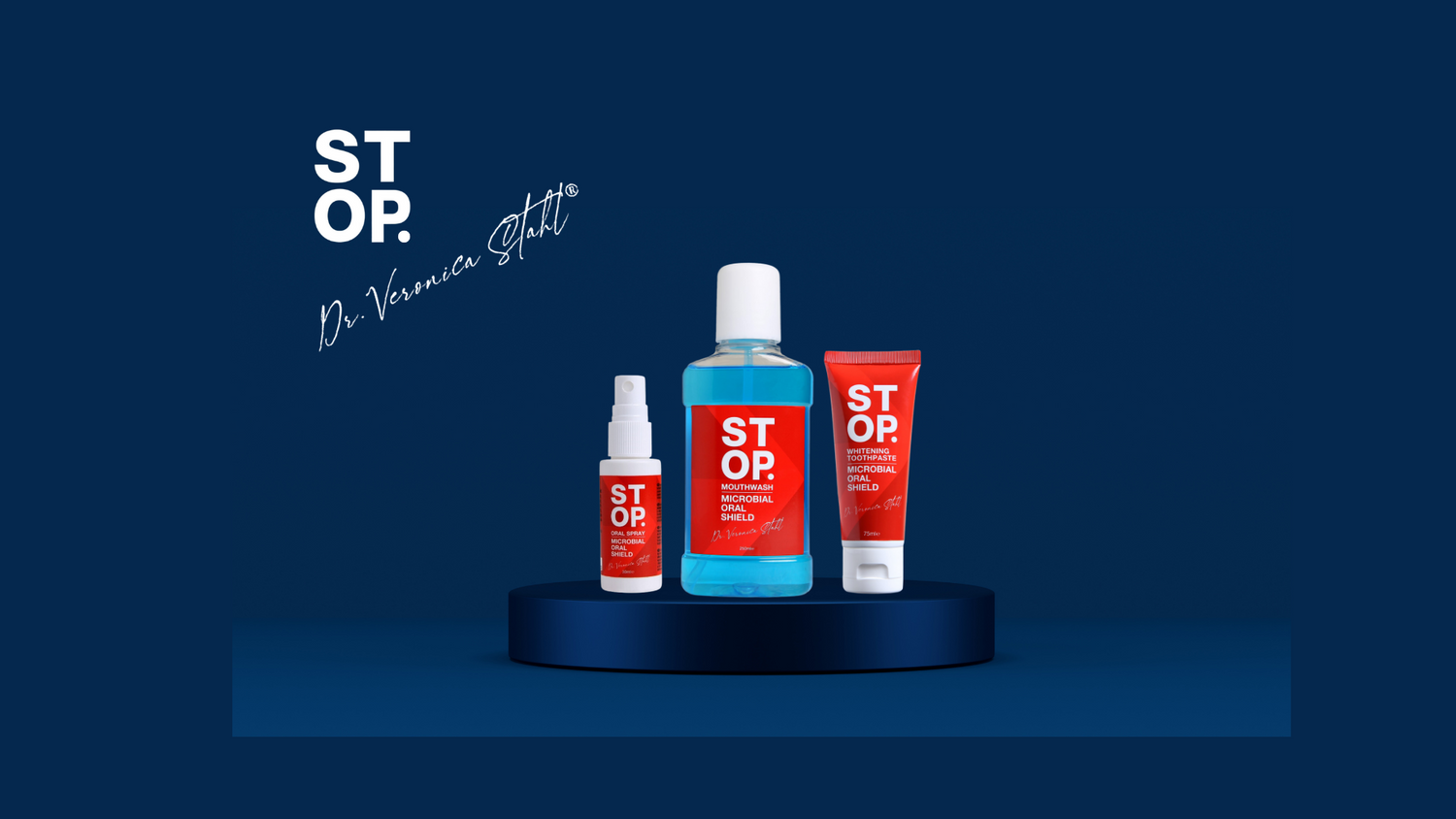
A stain-removal protocol works best alongside daily products that support enamel rather than strip it. Stop Oral Care’s fluoride-free range, formulated with hemp and Dead Sea minerals, is built for this kind of pairing: the STOP Protective and Whitening Toothpaste can sit in daily rotation alongside the baking soda and peroxide protocols above, while the STOP Mouthwash and STOP Protective Oral Spray offer additional support for gum comfort between sessions.

None of these products claim to replace professional bleaching for intrinsic staining, and readers dealing with stubborn or internal discoloration should still bring that question to a dentist. For readers ready to build a gentler daily routine around natural, fluoride-free ingredients, the full Stop Oral Care range is available to browse and order directly.
This article is general information, not a substitute for advice from a qualified doctor. Consult a qualified healthcare professional about your own circumstances before acting on anything here.
Sources
- Effect of popular natural agents (charcoal, turmeric, banana peel) on enamel properties — experimental study
- Efficacy of natural, peroxide‑free tooth‑bleaching agents: A systematic review, meta‑analysis, and technological prospecting
- Tooth Whitening - Leeds Teaching Hospitals NHS Trust
FAQ
How do I get stains off my teeth naturally?
These approaches target surface stains and plaque rather than deeper discoloration, so results build gradually over several weeks.
How can I remove stains from my teeth at home?
Rotating gentle methods rather than combining them reduces the risk of enamel damage while still addressing surface pigment. A baking soda paste, a short peroxide rinse, and daily coconut oil pulling each work through a different mechanism, and using them on separate days rather than all at once protects enamel over time.
How can I remove brown stains from my teeth?
Brown surface stains from coffee, tea, or tobacco typically respond to the same natural protocols as other extrinsic discoloration, since the pigment sits on the enamel surface rather than inside it. Brown staining tied to internal causes, such as an old dental injury, generally requires a dental exam rather than home treatment.
Can brown teeth turn white again?
Extrinsic brown staining can lighten with consistent natural care or a professional cleaning, since the pigment is removable from the enamel surface. Intrinsic brown discoloration usually does not respond to natural methods and typically needs professional treatment such as in-office bleaching to achieve a meaningful change.