

At toothpaste concentrations, potassium nitrate is generally safe for adults, and most reactions reported are mild and localized to the mouth. Serious systemic toxicity, including methemoglobinemia, requires a far larger dose than any dental product delivers and is linked almost exclusively to industrial exposure or substantial ingestion. Readers should stop product use and seek urgent medical care for signs of severe allergic reaction, breathing difficulty, blue-tinted lips, or oral sores that do not resolve.
TL;DR:
- Potassium nitrate in toothpaste causes mostly mild, localized side effects like gum irritation and temporary taste changes that typically resolve within one to two weeks.
- Serious systemic toxicity such as methemoglobinemia is extremely unlikely at dental doses and mainly linked to industrial exposure or large ingestion.
- Most adverse reactions are due to flavorings or preservatives, not the active desensitizing ingredient itself, emphasizing the importance of ingredient transparency.
- Higher risks occur in infants, people with blood disorders, or industrial workers handling nitrate dust, but regular adult use under recommended amounts remains safe.
- To minimize side effects, users should read ingredient labels carefully, avoid swallowing toothpaste, and consult a dentist if irritation persists beyond the expected adjustment period.
Table of Contents
- Common topical side effects from dental products
- Systemic toxicity and why dose determines the danger
- Exposure routes and the symptoms tied to each
- First aid and when to seek medical or dental care
- Safety and evidence behind potassium nitrate in toothpaste
- Who faces the most risk and what to watch for
- Reducing risk while keeping the benefits
- A dentist’s perspective on ingredient transparency
- A fluoride-free option for sensitive teeth
- FAQ
- Sources
Common topical side effects from dental products
Potassium nitrate is formulated into desensitizing toothpastes to calm nerve signaling within exposed dentine, and the side effects reported in that context are almost always mild and confined to the oral cavity. Clinical experience and product surveillance point to a consistent, narrow set of reactions rather than a broad spectrum of harm.
- Mild gum irritation or a tingling sensation along the gumline, usually within the first days of use.
- Temporary changes in taste perception, which typically fade once the product is discontinued or use continues.
- Short-term shifts in sensitivity, either reduced or, paradoxically, briefly heightened before improvement.
- Contact dermatitis or small oral sores, which dermatology guidance attributes more often to flavorings or preservatives in the formulation than to the potassium nitrate active ingredient itself.
These effects generally resolve within one to two weeks of stopping use. Persistent irritation, swelling, or sores that do not improve after discontinuation warrant a call to a dentist rather than continued self-treatment.
Pro Tip: If irritation appears right after switching toothpaste brands, check the full ingredient list first: cinnamon flavoring and sodium lauryl sulfate are common culprits that have nothing to do with the desensitizing agent.
Systemic toxicity and why dose determines the danger
The toxicological concern with potassium nitrate centers on its nitrate component, which the body can convert into nitrite. Nitrite binds hemoglobin in a way that reduces the blood’s ability to carry oxygen, producing methemoglobinemia. Symptoms include cyanosis (a bluish tint to lips and skin), headache, fatigue, and in severe cases, breathing difficulty or collapse.
EMA toxicology summaries describe low-to-moderate acute oral toxicity in animal studies, with risk assessments explicitly tied to dose rather than to mere presence of the compound, according to the EMA summary report. The quantity of potassium nitrate present in a pea-sized amount of toothpaste, most of which is spit out rather than swallowed, sits far below thresholds associated with methemoglobinemia in these assessments. Elevated risk scenarios involve infants exposed through contaminated well water, deliberate large ingestion, or industrial mishandling rather than routine dental hygiene.

Exposure routes and the symptoms tied to each
Outside toothpaste, potassium nitrate exposure occurs through inhalation, skin or eye contact, and ingestion, and each route produces a distinct symptom pattern.
- Inhalation of dust or aerosolized particles, relevant mainly in industrial or agricultural settings, can cause coughing, sore throat, and general respiratory irritation.
- Skin or eye contact produces redness, local irritation, and eye pain; immediate flushing with water is the standard response.
- Ingestion at low amounts typically causes gastrointestinal upset such as nausea or stomach discomfort, while larger doses can progress toward systemic signs over several hours.
Onset for topical and inhalation symptoms tends to be rapid, within minutes, while systemic signs from ingestion may take longer to appear as nitrite accumulates in the bloodstream.
First aid and when to seek medical or dental care
Most reactions tied to dental products resolve with simple steps, but a few scenarios call for professional evaluation without delay.
- For topical reactions, stop using the product immediately, rinse the mouth with water, and note when symptoms started and how they have changed.
- For suspected ingestion beyond normal toothpaste use, do not induce vomiting at home; rinse the mouth, contact local poison control, and seek emergency care if blue-tinted lips, severe vomiting, or collapse occur.
- For inhalation or skin and eye contact, move to fresh air or flush the affected area with water for 10 to 15 minutes, and seek medical care if symptoms persist or breathing becomes difficult.
Pro Tip: Keep the product packaging on hand when calling poison control or visiting urgent care; the exact formulation speeds up triage considerably.
Safety and evidence behind potassium nitrate in toothpaste
Consumer toothpastes typically formulate potassium nitrate at concentrations that keep systemic exposure low because the ingredient acts locally on exposed dentine rather than through absorption into circulation. A Cochrane review of potassium-containing toothpastes found some reduction in dentine hypersensitivity over 4 to 8 weeks of use, though results varied depending on how sensitivity was measured across trials, according to the Cochrane review. That variability means some users notice meaningful relief while others see little change on the same timeline.
Broader regulatory context supports the view that systemic risk from dental-dose exposure is minimal. The WHO fact sheet on nitrate and nitrite places its primary public-health concern on drinking water contamination and infant exposure, not on topical oral care products, which reinforces that the dosing pathways are fundamentally different.
Who faces the most risk and what to watch for
Certain groups face a materially different risk profile than the general adult population using toothpaste as directed.
- Infants and very young children, particularly those under three months, face the highest methemoglobinemia risk from nitrate and nitrite exposure, largely through contaminated water rather than dental products.
- Individuals with existing blood disorders may be more sensitive to reduced oxygen-carrying capacity if nitrite exposure occurs.
- Workers handling potassium nitrate dust or aerosols in industrial or agricultural settings face inhalation risks that call for proper personal protective equipment and ventilation controls.
- Households with small children should store all dental and chemical products out of reach to prevent accidental ingestion.
Reducing risk while keeping the benefits
Minimizing side effects from a desensitizing toothpaste starts with reading the full ingredient list, not just the headline active. Flavorings, preservatives, and foaming agents cause a sizable share of reported mouth irritation, and switching to a toothpaste formulated for sensitive teeth with fewer irritants resolves many complaints without abandoning the desensitizing ingredient entirely.
- Use only the recommended pea-sized amount, supervise children during brushing, and avoid swallowing toothpaste as a routine habit.
- Stop use and consult a dentist if irritation persists beyond the expected adjustment window rather than pushing through discomfort.
- Consider switching actives, such as stannous fluoride or hydroxyapatite, if a typical 4 to 8 week trial produces no improvement in sensitivity.
Pro Tip: Patch-test a new sensitivity toothpaste for a few days before committing to a full tube, especially if you have a history of contact dermatitis from oral care products.
A dentist’s perspective on ingredient transparency
We built our formulations around full ingredient disclosure because patients deserve to know exactly what touches their gums daily. Dr. Veronica Stahl’s clinical view is that most reported “sensitivity toothpaste reactions” trace back to flavorings or preservatives, not the desensitizing agent itself, which is why ingredient lists matter more than brand names. If you experience persistent irritation with any oral care product, stop use and contact your dentist or reach out to us directly for formulation details.
— Veronica
A fluoride-free option for sensitive teeth
We offer an oral care line without fluoride, built on natural ingredients, for readers who want transparency about what goes into daily dental care. Our STOP | Protective & Whitening Toothpaste, STOP | Mouthwash, and STOP | Protective Oral Spray are designed for sensitivity, gum health, and plaque reduction without the ingredients that most often trigger the mild reactions described above.
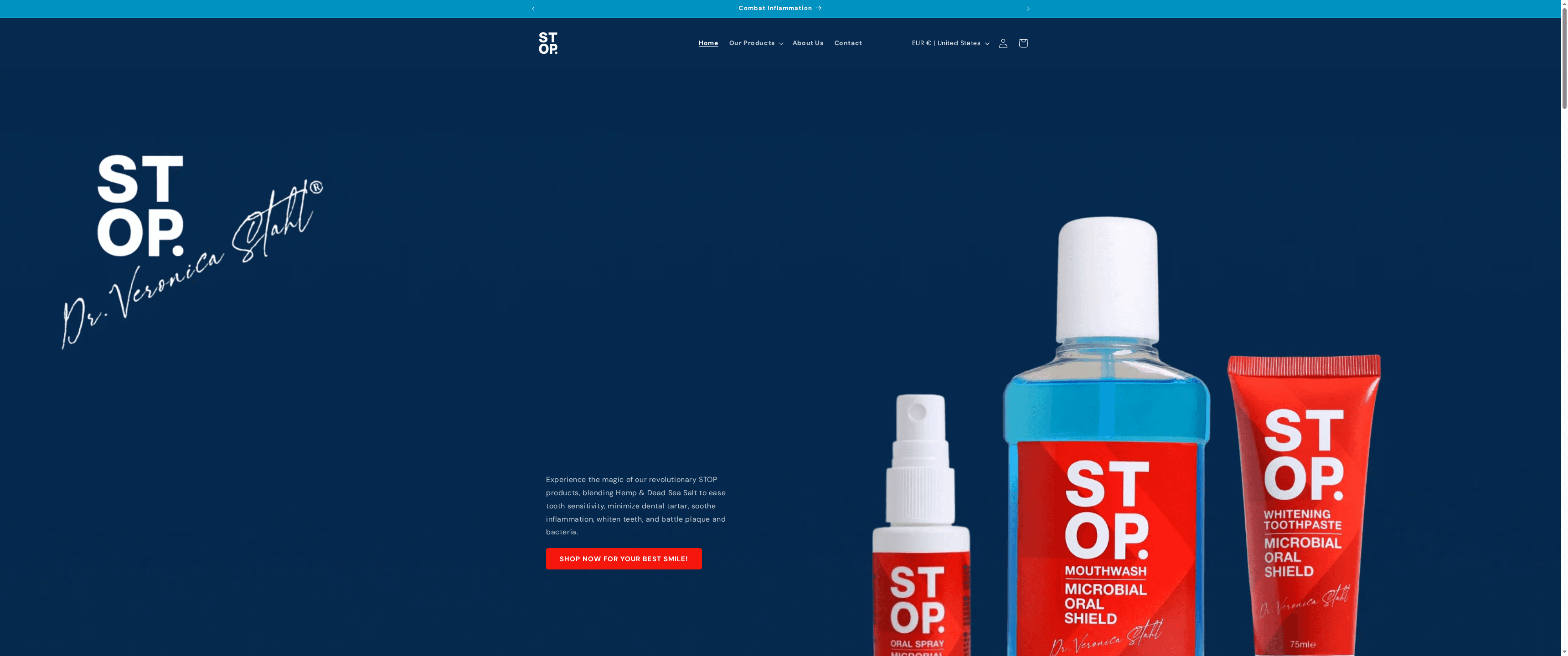
If ingredient-driven irritation has been a recurring issue for you, our full ingredient lists and product details are available to review before you buy, so you can compare formulations directly rather than guessing from a label.
This article is general information, not a substitute for advice from a qualified doctor. Consult a qualified healthcare professional about your own circumstances before acting on anything here.

FAQ
What are the risks of potassium nitrate?
The main risks are mild topical reactions such as gum irritation or altered taste at toothpaste doses, and systemic toxicity such as methemoglobinemia at much higher doses from ingestion or industrial exposure. The EMA toxicology summary ties severity directly to dose rather than mere exposure.
What is the most common side effect of potassium nitrate?
The most commonly reported effect in dental use is mild gum or mouth irritation, sometimes with temporary taste changes. These effects are typically topical and resolve once product use stops.
What not to mix with potassium nitrate?
There is no established dental-use interaction list for potassium nitrate toothpaste, but combining multiple active desensitizing or whitening agents without guidance can increase irritation risk. Checking with a dentist before layering products is the safer approach, particularly if you already experience sensitivity.
Is potassium nitrate banned?
Potassium nitrate is not banned for use in toothpaste formulations and remains a recognized desensitizing agent supported by clinical trial data, according to the Cochrane review. Regulatory attention instead focuses on nitrate and nitrite levels in drinking water, where the WHO sets limits for public health reasons unrelated to dental products.
Sources
- Potassium containing toothpastes for dentine hypersensitivity — Cochrane review
- Potassium nitrate summary report — EMA