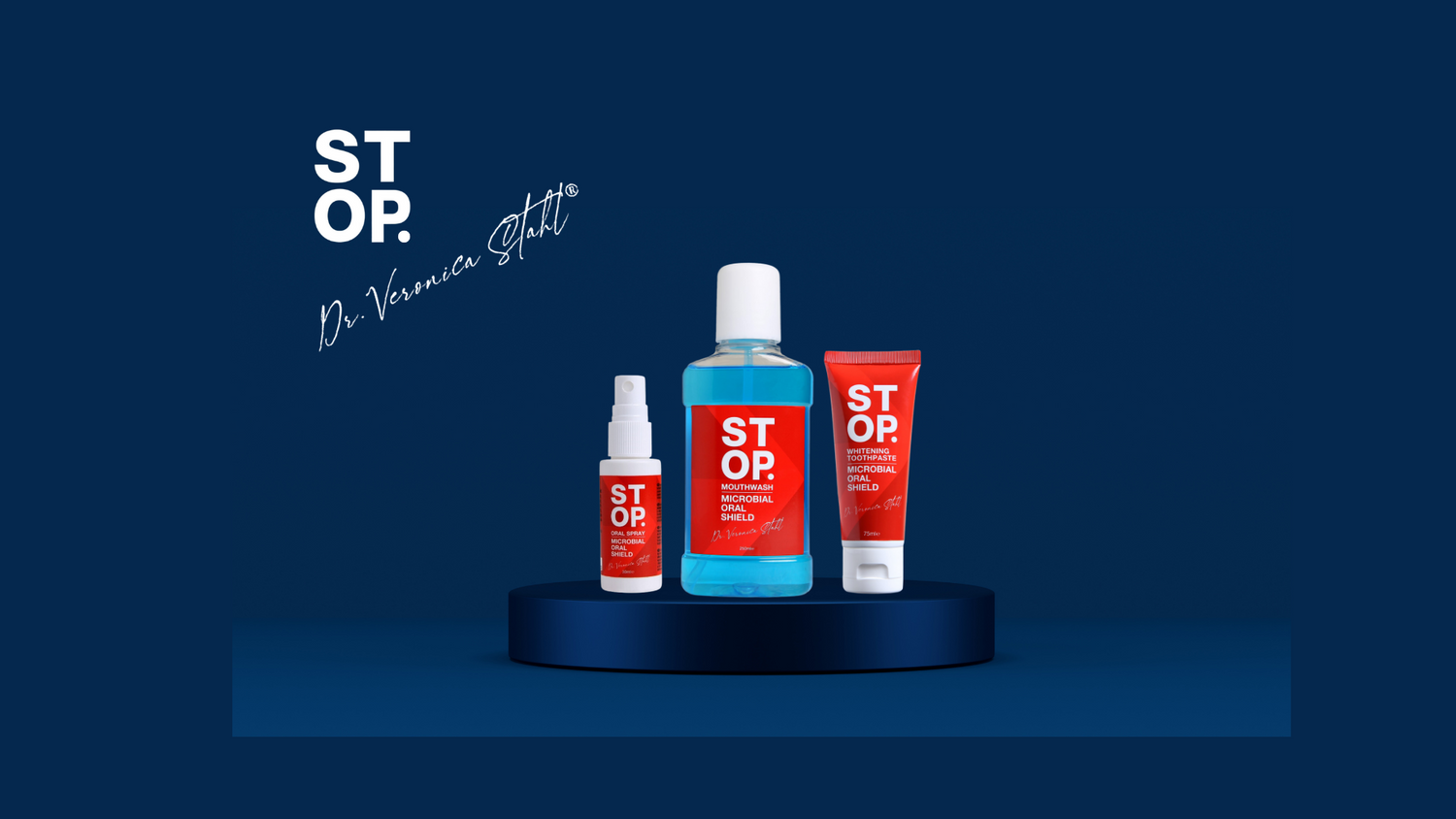


Synthetic oral-care products expose the oral mucosa and systemic circulation to a documented set of chemical risks, including mucosal irritation, oral microbiome disruption, potential endocrine interference, and measurable environmental contamination. The core reasons to avoid synthetic oral products center on three mechanisms: the oral cavity’s high absorptive capacity allows ingredients to enter the bloodstream directly; several specific compounds, including sodium lauryl sulfate (SLS), triclosan, and certain parabens, carry adverse-effect profiles supported by peer-reviewed evidence; and cumulative daily exposure amplifies risks that single-dose toxicology studies tend to understate. The FDA regulates cosmetic oral-care products primarily through post-market enforcement rather than pre-market approval, and the American Dental Association (ADA) sets acceptance criteria focused on efficacy rather than comprehensive ingredient safety screening. Stop-oralcare’s formulation approach, grounded in mineral- and plant-based actives, addresses these gaps directly.
TL;DR — Three actions to take now:
- Check ingredient labels for SLS, triclosan, parabens, alcohol above 25%, and synthetic sweeteners such as aspartame.
- Choose microbiome-friendly formulas built on mineral or plant-extract actives rather than broad-spectrum antimicrobials.
- Consult your dentist before discontinuing any therapeutically prescribed product (e.g., chlorhexidine, fluoride for high-caries-risk patients).
Table of Contents
- Which synthetic oral-care ingredients should you avoid, and why?
- How do synthetic oral ingredients harm the mouth and the oral microbiome?
- What do U.S. regulators and the science actually say about these risks?
- How do you choose safer oral-care products at the store or online?
- What natural and mineral alternatives actually have clinical support?
- Key Takeaways
- The case for ingredient transparency in oral care
- Stop-oralcare’s mineral- and plant-based formulas for safer daily care
- Primary sources and further reading
Which synthetic oral-care ingredients should you avoid, and why?
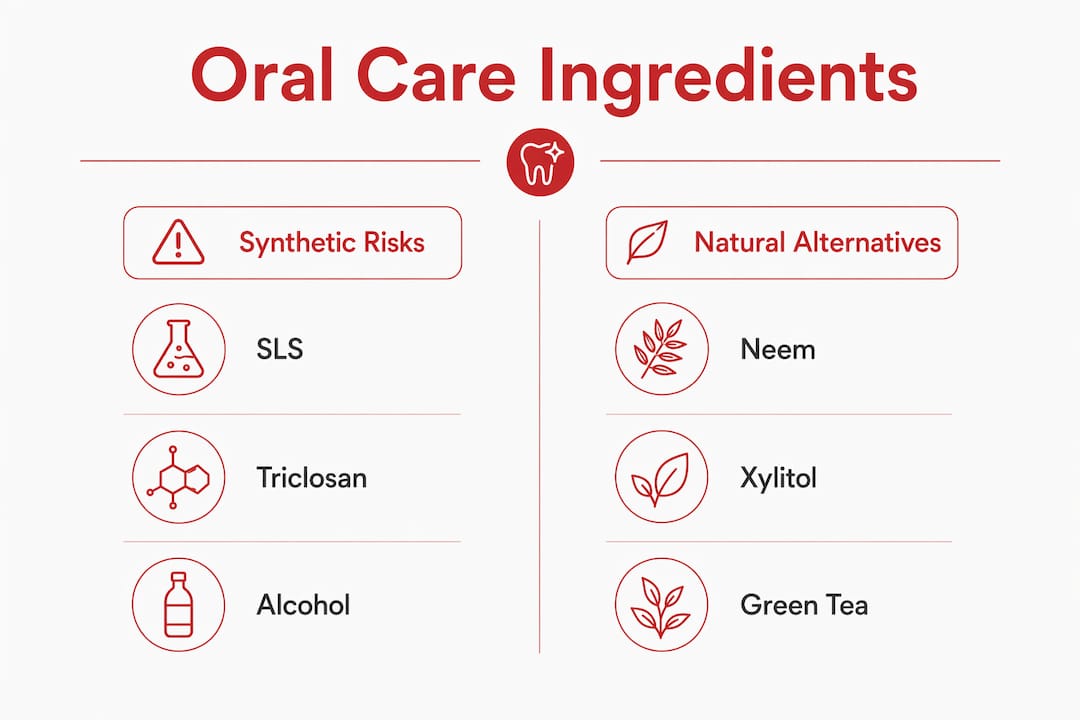
A narrative review synthesizing clinical and mechanistic data identifies triclosan, SLS, alcohol, parabens, artificial sweeteners, and titanium dioxide as the ingredients most consistently linked to adverse oral and systemic effects. The table below maps each ingredient to its function, reported risks, and the current weight of evidence.
| Ingredient | Typical purpose | Oral and systemic risks | Evidence strength |
|---|---|---|---|
| Sodium lauryl sulfate (SLS) | Foaming agent, surfactant | Mucosal irritation, aphthous ulcer recurrence, disruption of protective lipid layer | Moderate–strong |
| Alcohol/ethanol | Antiseptic, solvent in mouthwash | Mucosal desiccation, altered taste, staining when combined with CHX | Moderate |
| Triclosan | Broad-spectrum antimicrobial | Antimicrobial resistance selection, possible endocrine disruption, microbiome dysbiosis | Moderate |
| Parabens | Preservative | Endocrine-disrupting potential, systemic absorption via mucosa | Moderate |
| Aspartame / sucralose / sorbitol | Sweetener | Mucosal sensitivity, occasional oral sores in susceptible individuals | Limited–moderate |
| Titanium dioxide (TiO₂) | Whitening pigment | Nanoparticle oxidative stress, potential cytotoxicity at high concentrations | Limited |
| Microplastic abrasives | Polishing, texture | Tissue inflammation, environmental persistence, systemic accumulation | Limited (growing) |
| Synthetic preservatives (e.g., formaldehyde releasers) | Shelf-life extension | Mucosal sensitization, allergic contact reactions | Limited |
Sodium lauryl sulfate
SLS functions as a surfactant that strips the protective phospholipid layer from oral epithelial cells, leaving the mucosa more permeable to irritants. Clinical reports consistently associate SLS-containing toothpastes with higher rates of aphthous ulcer recurrence in susceptible individuals. Vulnerable populations include people with recurrent oral ulceration, mucosal sensitivity disorders, and those undergoing chemotherapy.
Triclosan and antimicrobial resistance
Triclosan was removed from over-the-counter antiseptic wash products by the FDA in 2016, yet it persisted in some oral-care formulations for years afterward. Its broad-spectrum activity disrupts both pathogenic and commensal bacterial species, selecting for resistant strains over repeated use. The endocrine-disruption concern, while still classified as moderate-evidence in most reviews, is particularly relevant for pregnant individuals and children whose hormonal systems are in active development.
Alcohol in mouthwash
Alcohol-based mouthwashes at concentrations above 25% ethanol cause measurable mucosal dehydration and alter the salivary film that protects enamel. Chlorhexidine (CHX), though not a synthetic sweetener or preservative, illustrates the tolerability ceiling of conventional antiseptics: it is widely regarded as the benchmark for short-term plaque control but is unsuitable for indefinite daily use because of staining, taste alteration, and mucosal irritation.
Artificial sweeteners
Clinical and dental practice reports document that certain artificial sweeteners, particularly aspartame and some flavoring agents, provoke mucosal soreness in sensitive users. Individual reactions vary considerably, and the evidence base remains limited, but the risk is relevant for patients with existing mucosal conditions.
Microplastics and titanium dioxide
In vivo evidence links micro- and nanoplastic exposure from personal care products to inflammatory responses across tissues and systemic accumulation. TiO₂ nanoparticles used as whitening pigments generate reactive oxygen species under certain conditions, raising cytotoxicity concerns at high or repeated concentrations.
Statistic callout: A review of synthetic cosmetics and personal care products found that only 15% of products undergo rigorous pre-market carcinogenicity testing, underscoring the gap between market availability and confirmed safety.
How do synthetic oral ingredients harm the mouth and the oral microbiome?
The primary mechanisms are mucosal absorption into systemic circulation, microbiome dysbiosis from broad-spectrum antimicrobials, physical disruption of the epithelial lipid barrier by surfactants, and oxidative stress from nanoparticles. Understanding these pathways clarifies why ingredient choice matters beyond surface-level tolerability.
Mucosal absorption and systemic exposure
The oral mucosa, particularly the sublingual and buccal regions, is highly vascularized. Compounds absorbed there bypass first-pass hepatic metabolism entirely, entering the bloodstream at concentrations closer to the applied dose than compounds absorbed through the gastrointestinal tract. This route, documented in the Fortune Journals narrative review, means that twice-daily toothbrushing and rinsing represent repeated low-dose systemic exposures across decades of use. Parabens and triclosan are among the compounds with confirmed mucosal absorption potential.
Microbiome disruption
The oral microbiome comprises several hundred bacterial species in a dynamic ecological balance. Broad-spectrum antimicrobials, including triclosan and high-concentration alcohol, remove beneficial commensal species alongside pathogens, reducing microbial diversity and creating conditions favorable to opportunistic organisms. A Springer critical review of natural products and oral microbiota confirms that phytochemicals can modulate microbial communities more selectively, supporting diversity rather than eliminating it indiscriminately. Repeated disruption of microbiome balance has been associated with increased susceptibility to oral dysbiosis, which in turn connects to systemic inflammatory conditions.
Surfactant and solvent mechanisms
SLS acts by solubilizing membrane lipids, which destabilizes the mucosal epithelium and increases permeability to secondary irritants. Ethanol at antiseptic concentrations denatures surface proteins and dehydrates the mucosal film, compounding the barrier disruption initiated by surfactants. These two mechanisms often operate together in conventional mouthwash formulations, producing additive irritation that neither ingredient would cause at the same concentration alone.
Nanoparticle oxidative stress
TiO₂ nanoparticles in whitening toothpastes generate reactive oxygen species under photocatalytic or mechanical conditions, potentially damaging epithelial DNA. A PMC study on synthetic mouthwashes demonstrated double-strand DNA breaks in human cheek cells following repeated mouthwash exposure, with statistically significant differences (P < 0.005) compared to untreated controls, and found that combining multiple mouthwash products amplified DNA damage considerably.
Practical implications for daily oral-care decisions:
- Limit use of alcohol-based mouthwashes to short therapeutic courses, not indefinite daily rinsing.
- Avoid combining multiple products containing SLS and alcohol simultaneously.
- Prefer formulas that specify nanoparticle-free TiO₂ or use alternative mineral whitening agents.
- For CHX-based products, use only under dental supervision and for the prescribed duration.
- Prioritize products that list specific plant-extract or mineral actives rather than broad antimicrobial agents.
Pro Tip: The sublingual area, beneath the tongue, absorbs compounds faster than any other oral surface. Holding a mouthwash or oil-pull product sublingually for extended periods increases systemic exposure more than brief swishing. Limit contact time with products containing ingredients of concern.
What do U.S. regulators and the science actually say about these risks?
The evidence posture is mixed: some ingredients carry strong safety concerns supported by multiple independent reviews, while others remain in a limited or contested evidence category where dose, formulation, and exposure frequency determine risk. Readers should interpret this nuance carefully rather than applying blanket avoidance or blanket acceptance.
Regulatory framework: FDA and ADA
The FDA regulates cosmetic oral-care products, including most toothpastes and mouthwashes, under the Federal Food, Drug, and Cosmetic Act. Critically, cosmetic products do not require pre-market safety approval; manufacturers are responsible for substantiating safety before sale. The Environmental Working Group notes that FDA has limited authority to review chemicals in cosmetics proactively, and companies are not required to report adverse events to the agency. Products making therapeutic claims (e.g., anti-cavity, anti-gingivitis) are regulated as over-the-counter drugs and face a higher evidence bar, but the majority of oral-care products remain in the cosmetic category. The ADA’s Seal of Acceptance program evaluates efficacy and safety for specific claims, requiring studies of at least six months for chemical agents, but the seal is voluntary and covers a subset of marketed products.
What systematic reviews show
A systematic review published in MDPI found that natural formulations reduced plaque and gingival indices with a lower incidence of adverse events, including mucosal irritation and staining, compared to conventional agents across fifteen included clinical studies.
The PMC umbrella review of herbal oral-care products concluded that some herbal mouthrinses produce results comparable to conventional products for plaque and gingivitis reduction, while cautioning that short trial durations (under four weeks in most studies) and publication bias limit the strength of inference.
These findings support cautious optimism about natural alternatives for routine preventive care, while acknowledging that the evidence base for long-term outcomes remains underdeveloped. A consumer-facing analysis of synthetic versus natural ingredients reinforces the point that context, dose, and exposure route determine risk, and that blanket condemnation of all synthetic ingredients overstates the current evidence.
Statistic callout: The PMC review on synthetic cosmetics found that a significant proportion of companies prioritize profit margins over thorough safety evaluation, with only 15% of products undergoing rigorous pre-market carcinogenicity testing.
Evidence strength summary:
- Strong: SLS mucosal irritation; CHX staining and taste alteration; alcohol-induced mucosal desiccation.
- Moderate: Triclosan antimicrobial resistance; paraben endocrine disruption; microplastic systemic accumulation.
- Limited: TiO₂ nanoparticle cytotoxicity at use concentrations; artificial sweetener mucosal sensitivity.
This article provides general scientific information, not professional dental or medical advice. Readers should confirm product suitability with a licensed dentist or physician for their specific clinical situation.
How do you choose safer oral-care products at the store or online?
The most reliable approach focuses on microbiome-friendly, minimally processed formulas with transparent, complete ingredient lists and, where possible, third-party testing documentation.
- Read the full ingredient list, not just the front label. Both active and inactive ingredients carry risk potential. Regulatory labeling rules require full ingredient disclosure on the back panel.
- Identify red-flag synthetics by name. Cross-reference the ingredient list against the compounds covered in this article before purchasing.
- Choose mineral-based or plant-extract actives. Look for ingredients such as Dead Sea minerals, xylitol, neem, aloe vera, green tea extract, or essential oils (thymol, eucalyptol) as primary actives rather than synthetic antimicrobials.
- Test for sensitivity before committing. Use a new product for two to four weeks and monitor for mucosal soreness, altered taste, or increased ulcer frequency. Discontinue and consult a dentist if symptoms appear.
- Consult your dentist for clinical needs. Patients with active periodontal disease, high caries risk, or post-surgical requirements may need therapeutically prescribed products that contain regulated synthetic actives. Natural alternatives are most appropriate for routine preventive care in otherwise healthy mouths.
Red-flag ingredients to avoid on labels:
- Sodium lauryl sulfate (SLS) or sodium laureth sulfate (SLES)
- Triclosan
- Methylparaben, propylparaben, butylparaben
- Alcohol/ethanol above 25% concentration in mouthwash
- Aspartame or saccharin (for mucosal-sensitive individuals)
- Titanium dioxide listed as nanoparticles
- Polyethylene (PE) or polypropylene (PP) microbeads
Questions to ask your dentist or product manufacturer:
- Does this product contain SLS or triclosan?
- Has this formula been tested in clinical trials of at least six months’ duration?
- Is third-party testing documentation available for heavy-metal contaminants?
- For children or pregnant patients: has this product been evaluated for endocrine-active compounds?
Environmental considerations
Microplastics from personal care products enter wastewater systems and accumulate in aquatic ecosystems. Sodium lauryl sulfate and butylated hydroxyanisole (BHA) have been shown to alter the biochemistry of aquatic organisms. Choosing products with biodegradable formulas and recyclable or minimal packaging reduces this downstream impact. Look for products that explicitly state “microplastic-free” and list biodegradable surfactant alternatives such as decyl glucoside or coco-glucoside. For guidance on plant-based oral hygiene options that address both personal and environmental concerns, evidence-based resources are available.
What natural and mineral alternatives actually have clinical support?
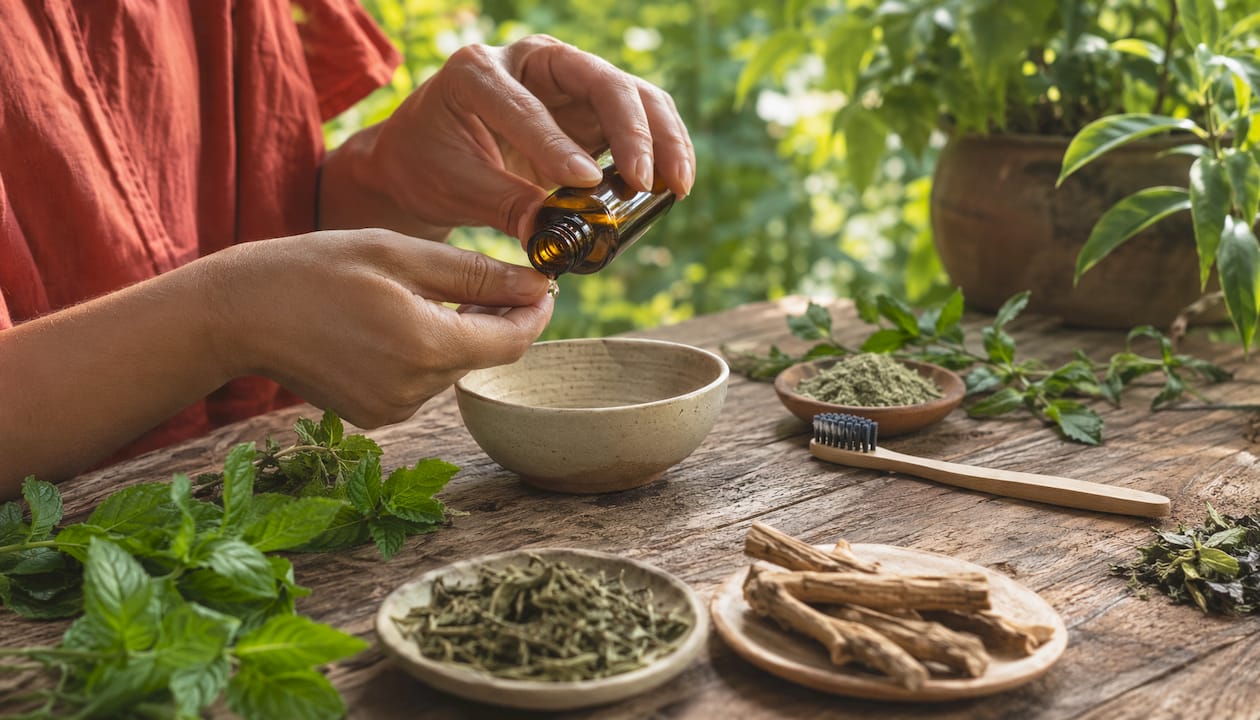
Natural and mineral actives can match conventional agents for routine preventive efficacy while improving tolerability for many patients, particularly those with mucosal sensitivity or microbiome concerns. The MDPI systematic review of fifteen clinical studies found that neem, propolis, aloe vera, and green tea formulations reduced plaque and gingival indices comparably to conventional agents with fewer adverse events.
| Alternative | Primary benefit | Typical use case | Evidence note |
|---|---|---|---|
| Neem (Azadirachta indica) | Anti-plaque, anti-gingivitis | Daily toothpaste or rinse | Comparable to placebo/conventional in RCTs; short trial durations limit inference |
| Propolis | Antimicrobial, anti-inflammatory | Mouthrinse, gel | Moderate clinical evidence; well-tolerated |
| Aloe vera | Anti-inflammatory, mucosal soothing | Dentifrice, gel | Comparable to conventional dentifrices in gingivitis RCTs |
| Green tea polyphenols | Antioxidant, anti-plaque | Mouthrinse, toothpaste | Positive plaque and gingival index results in multiple trials |
| Dead Sea minerals | Remineralization, anti-inflammatory | Toothpaste, oral spray | Mineral-rich formulas support enamel and gum tissue; clinical data specific to Dead Sea mineral oral products is emerging |
| Xylitol | Caries reduction, microbiome support | Toothpaste, rinse, gum | Well-established anti-cariogenic mechanism; reduces Streptococcus mutans adhesion |
| Thymol / eucalyptol (essential oils) | Antimicrobial, anti-plaque | Mouthrinse | ADA-accepted evidence for plaque and gingivitis reduction |
| Miswak (Salvadora persica) | Anti-plaque, anti-gingivitis, whitening | Chewing stick, toothpaste | Multiple study formats confirm biocompatibility and efficacy |
A Springer review of natural products and oral microbiota confirms that phytochemicals, including polyphenols, terpenoids, and saponins, can modulate oral microbial communities and inhibit pathogen virulence factors. The same review identifies bioavailability and formulation variability as the primary barriers to consistent clinical translation.
Pro Tip: When evaluating a natural oral-care product, look specifically for standardized extract concentrations on the label (e.g., “10% aloe vera gel standardized to acemannan”) and third-party certificates of analysis. A product listing only “aloe vera extract” without concentration data provides no assurance that the active compound is present at a clinically relevant level. Standardization is the single most reliable quality signal for plant-based formulas.
For a detailed comparison of mineral-based oral care options and their clinical applications, evidence-based guidance is available for sensitivity-prone and microbiome-conscious consumers.
Key Takeaways
Avoiding synthetic oral-care ingredients with documented adverse profiles, choosing mineral- or plant-based alternatives with standardized actives, and consulting a dentist for therapeutic needs represents the most evidence-consistent approach to long-term oral health.
| Point | Details |
|---|---|
| SLS and triclosan are the highest-priority avoidances | Both carry moderate-to-strong evidence for mucosal irritation, microbiome disruption, and systemic concerns. |
| Mucosal absorption amplifies risk | The oral mucosa’s vascular density means repeated exposure to absorbed compounds produces systemic effects beyond local irritation. |
| Natural alternatives show comparable efficacy | The MDPI systematic review of 15 clinical studies found natural formulations reduced plaque and gingival indices with fewer adverse events than conventional agents. |
| Evidence strength varies by ingredient | SLS irritation and CHX staining are strongly evidenced; TiO₂ nanoparticle cytotoxicity at typical use concentrations remains limited evidence. |
| Stop-oralcare’s approach | Stop-oralcare formulates fluoride-free, SLS-free products with Dead Sea minerals and hemp-derived actives aligned with the safer ingredient principles above. |
The case for ingredient transparency in oral care
The conventional wisdom in oral hygiene has long been that more antimicrobial activity equals better oral health. That framing is increasingly difficult to defend. The oral microbiome is not a pathogen reservoir to be sterilized; it is a complex ecological community whose balance determines susceptibility to caries, periodontal disease, and even systemic inflammatory conditions. Products engineered for fast, perceptible effects, heavy foam, immediate breath freshening, rapid whitening, often achieve those effects by mechanisms that sacrifice microbiome stability. A broad-spectrum antimicrobial that eliminates odor-causing bacteria in thirty seconds does so by eliminating a wide range of commensal species alongside them.
The regulatory gap compounds this problem. Because most oral-care products are classified as cosmetics rather than drugs, they reach consumers without pre-market safety review. The FDA’s post-market enforcement model means that adverse effects must accumulate in clinical reports before regulatory action follows. Triclosan’s removal from antiseptic washes in 2016 came after years of accumulating resistance and endocrine data. That timeline is not reassuring for ingredients currently in wide use with limited long-term data.
What the evidence supports is a more selective approach: reserve broad-spectrum antimicrobials for short therapeutic courses under dental supervision, and use mineral- and plant-based formulas that support the natural tooth form for aesthetics and health for routine daily care. This is not a rejection of efficacy; it is a recognition that safe oral care ingredients can deliver preventive benefits without the collateral disruption that synthetic antimicrobials impose on the oral ecosystem. The natural tooth form and its supporting tissues benefit from ecological stability, not repeated chemical assault.
Stop-oralcare’s mineral- and plant-based formulas for safer daily care
Stop-oralcare offers a direct alternative to conventional synthetic oral-care products for health-conscious consumers who want preventive efficacy without SLS, triclosan, parabens, or fluoride. The product line, developed under Dr. Veronica Stahl’s clinical direction, applies the ingredient principles outlined in this article: Dead Sea mineral complexes for remineralization and anti-inflammatory support, hemp-derived actives for gum tissue health, and plant-extract antimicrobials in place of broad-spectrum synthetic agents.
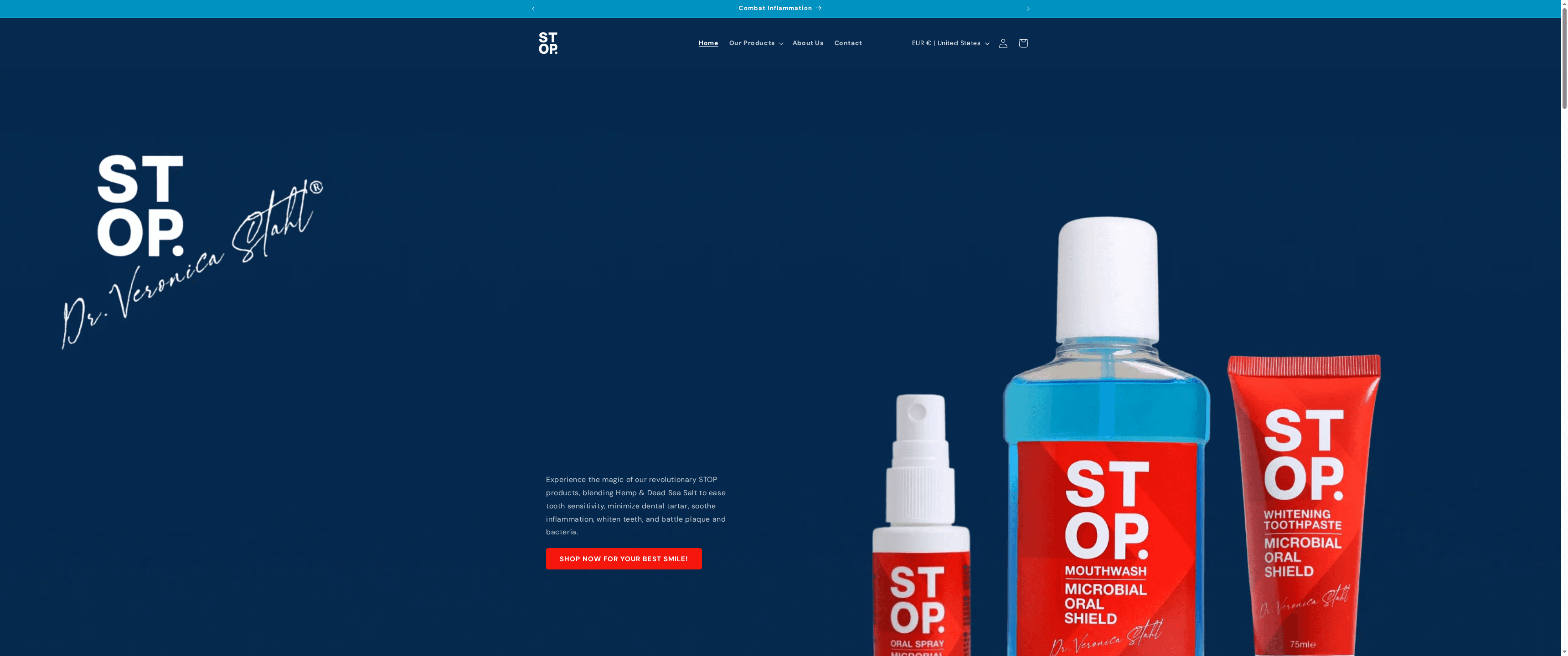
The formulas span the core daily-care categories: hemp-infused toothpaste for plaque control and sensitivity, fluoride-free mouthwash for microbiome-compatible rinsing, and an oral spray for targeted gum and mucosal support. Each product is formulated without SLS, synthetic preservatives, or microplastic abrasives, addressing the specific risk categories this article identifies.
Key formulation features:
- No SLS, triclosan, parabens, or synthetic antimicrobial agents
- Dead Sea mineral actives for enamel and gum support
- Hemp-derived phytocannabinoids for anti-inflammatory oral tissue care
- Fluoride-free, microplastic-free, biodegradable formulas
- Developed with clinical oversight and scientific documentation
Pro Tip: If you are managing active periodontal disease or a high caries-risk condition, a dentist-prescribed product (fluoride, CHX) may be clinically necessary for a defined treatment period. Natural and mineral-based products are most appropriate for maintenance and prevention once the acute condition is stabilized.
View the full product range and ingredient documentation at Stop-oralcare and take the first step toward a daily oral-care routine built on evidence-backed, microbiome-compatible ingredients.
Primary sources and further reading
The sources below were selected for their methodological rigor, peer-review status, and direct relevance to synthetic ingredient safety, natural alternative efficacy, and oral microbiome science.
-
The Deleterious Systemic Effects of Common Oral Care Products: A Narrative Review — Synthesizes clinical and mechanistic evidence on triclosan, SLS, alcohol, parabens, artificial sweeteners, and titanium dioxide; documents mucosal absorption as a systemic exposure route.
-
Efficacy and Safety of Natural Versus Conventional Toothpastes and Mouthwashes in Gingivitis Management: A Systematic Review (MDPI) — Fifteen-study systematic review finding natural formulations (neem, propolis, aloe vera, green tea) reduce plaque and gingival indices comparably to conventional agents with fewer adverse events.
-
A critical review on the roles of natural products in shaping oral microbiota and preventing chronic diseases (Springer) — Reviews phytochemical modulation of oral microbial communities; identifies formulation standardization as the key quality variable.
-
Health impacts of micro- and nanoplastics in humans: systematic review of in vivo evidence (Springer) — Documents inflammatory and systemic effects of microplastic and nanoplastic exposure from personal care products.
-
The myth of oral hygiene using synthetic mouthwash products (PMC) — Demonstrates double-strand DNA breaks in human cheek cells following mouthwash exposure; evaluates essential oil extracts as protective agents.
-
Effectiveness of herbal oral care products in reducing dental plaque and gingivitis: an umbrella review (PMC) — Umbrella review of systematic reviews; finds herbal mouthrinses comparable to conventional products for plaque and gingivitis, with caveats on trial duration and bias.
-
The dark side of beauty: health hazards and toxicological impact of synthetic cosmetics (PMC) — Broad toxicological review of synthetic personal care products; documents regulatory gaps and the 15% pre-market carcinogenicity testing rate.
-
Miswak and oral health: An evidence-based review (PMC) — Reviews clinical evidence for miswak across multiple study formats; confirms anti-plaque, anti-gingivitis, and whitening benefits with good biocompatibility.
-
The Toxic Twelve Chemicals and Contaminants in Cosmetics (Environmental Working Group) — Consumer-facing regulatory analysis documenting FDA’s limited pre-market authority over cosmetic ingredients and the endocrine-disruption risk profile of parabens and phthalates.
Readers with active dental conditions, mucosal disorders, or specific clinical concerns should consult a licensed dentist before modifying their oral-care regimen. For products making therapeutic claims, verify current ADA Seal of Acceptance status and request certificates of analysis from manufacturers.