

Teeth whitening while breastfeeding is generally considered low risk from a systemic standpoint, but the evidence is thin, and major clinical guidance leans toward caution rather than reassurance. Peroxide-based whiteners break down rapidly at the site of application, which limits what could reach breast milk. Even so, the NHS advises against whitening during breastfeeding as a precaution. The practical move: tell your dentist you’re nursing, ask about lower-risk alternatives, and decide together whether to wait.
TL;DR:
- Most evidence suggests peroxide-based whitening gels have minimal systemic absorption when used properly, but research specifically in breastfeeding women is lacking.
- Major health authorities, including the NHS, recommend postponing cosmetic whitening treatments during breastfeeding as a precaution, not due to confirmed harm.
- Risks increase if gels leak from ill-fitting trays, are ingested repeatedly, or are left on mucosal tissues for extended periods, especially with high-concentration products.
- Custom-fitted, dentist-supervised trays using low-concentration gels are safer options if whitening is desired during breastfeeding, with adjustments to reduce exposure.
- Non-peroxide alternatives like professional cleanings, airflow polishing, and daily use of gentle whitening toothpastes can improve smiles safely while awaiting the end of breastfeeding.
Table of Contents
- Is Teeth Whitening Safe While Breastfeeding? The Chemistry Behind the Caution
- What the Research and Guidance Bodies Actually Say
- Professional Whitening vs. At-Home Kits: Where the Real Risk Lives
- Safer Ways to Brighten Your Smile Right Now
- What to Tell Your Dentist Before Any Whitening Decision
- Why Stop-oralcare Takes Oral Health Guidance Seriously
- A Personal Note on Patience and Self-Care After Childbirth
- A Lower-Risk Way to Care for Your Smile While You Wait
- Sources
- FAQ
Is Teeth Whitening Safe While Breastfeeding? The Chemistry Behind the Caution
Whitening gels rely on one of two active ingredients: hydrogen peroxide or carbamide peroxide, also called urea peroxide. Both work the same way. They oxidize stain molecules trapped in the pores of tooth enamel, breaking colored compounds into smaller, colorless fragments. The reaction happens on contact with the tooth surface, not inside the body.

Carbamide peroxide is the milder, slower-acting version. It breaks down into hydrogen peroxide and urea once it contacts saliva or oral tissue, and that breakdown starts almost immediately. This matters for nursing mothers because the chemical doesn’t sit intact in the mouth waiting to be absorbed. It transforms into byproducts your body already processes routinely.
Here is what happens during a typical whitening application:
- The gel contacts the enamel surface and begins oxidizing stain compounds within minutes.
- Carbamide peroxide splits into urea and hydrogen peroxide, both of which the body metabolizes quickly.
- Local tissue absorption is minimal because the reaction is designed to stay on the tooth surface, not penetrate deeper structures.
- Systemic exposure would require unusual circumstances, such as swallowing significant amounts of gel or leaving a poorly fitted tray in for extended periods.
That last point is where risk actually lives. The mechanism itself isn’t the concern. What increases risk is gel escaping a poorly sealed tray, prolonged mucosal contact from an ill-fitting strip, or repeated ingestion of small amounts over many sessions. Under normal, supervised use, the chemistry works locally and clears quickly, which is part of why researchers consider systemic transfer unlikely rather than impossible.
What the Research and Guidance Bodies Actually Say
The clearest scientific statement comes from LactMed, the NCBI’s drug and lactation database, which notes that carbamide peroxide has never been directly studied in breastfeeding women. LactMed states that because the compound is unlikely to be absorbed systemically, using it as directed isn’t a reason to stop breastfeeding. That’s a meaningfully different message than “it’s unsafe.” It’s closer to “the data doesn’t exist, but the biology suggests low risk.”
The gap in the research: No clinical trials have measured whitening-agent levels in breast milk after treatment. Guidance is built on how the chemistry behaves, not on direct measurement in nursing mothers.
The NHS takes a firmer stance, stating plainly that teeth whitening is not recommended during pregnancy or breastfeeding. That’s a national health service applying a precautionary default, not a finding of proven harm. MotherToBaby reaches a similar conclusion from a different angle: peroxide-based whitening is unlikely to reach breast milk in meaningful amounts, but because research is limited, they recommend discussing it with a clinician before proceeding.
Why the gap between “probably fine” and “please don’t”? Breastfeeding medicine education explains it well: the caution comes from a lack of breastfeeding-specific trials, not from evidence of harm. When a treatment is elective and cosmetic rather than medically necessary, clinicians have little incentive to recommend it under uncertainty. Postponing costs nothing except a delayed cosmetic result.
There’s also a practical side effect worth weighing regardless of the systemic question. Whitening commonly causes:
- Temporary tooth sensitivity, sometimes lasting several days after treatment.
- Gum or soft-tissue irritation if gel contacts tissue outside the intended area.
- Increased sensitivity to hot and cold foods during the healing window.
For a postpartum mother already managing sleep deprivation, sore nipples, and a newborn’s unpredictable schedule, adding a few days of tooth sensitivity is not a safety issue, but it is a quality-of-life one worth factoring into timing.
Professional Whitening vs. At-Home Kits: Where the Real Risk Lives
The safety conversation changes significantly depending on how the whitening happens. In-office and dentist-dispensed treatments carry different risk profiles than drugstore strips or unregulated home kits, and the difference isn’t cosmetic.
- Dentist-supervised trays are custom-molded to your teeth, which minimizes gel contact with gums, cheeks, and tongue. A clinician controls the exact amount of gel dispensed and can adjust concentration based on your situation.
- Standard boil-and-bite or one-size trays fit less precisely, increasing the chance that gel seeps out and contacts oral mucosa or gets swallowed in small amounts over a session.
- Whitening strips rely on you positioning them correctly for the full contact time, and any misalignment raises the odds of gel touching gum tissue or being ingested inadvertently.
- Unregulated online whitening kits sometimes contain peroxide concentrations well above what’s typically used in supervised dental settings, with no clinical oversight if something goes wrong.
Practitioner consensus favors dentist-supervised systems with custom-fitted trays precisely because they reduce mucosal exposure and accidental ingestion. A dentist can also choose a lower concentration or a shorter contact time if a nursing patient wants to proceed despite the general advice to wait. Regulated dental practice standards from bodies like the General Dental Council exist specifically to ensure this kind of supervised application follows consistent safety protocols, something no over-the-counter kit can offer.
Contact time and concentration compound each other. A high concentration gel left in place for 45 minutes carries more theoretical exposure than a lower concentration used for 15. Many dentists, when a nursing patient insists on treatment, will deliberately choose the gentler combination or recommend delaying to a later date instead. If your dentist reviews your health history and decides your situation, your baby’s age, or your own oral sensitivity make this the wrong moment, that’s a reasonable clinical judgment worth respecting rather than working around with a retail kit. Our guide to safe tooth whitening at home breaks down these method differences in more detail if you want to compare options before your appointment.
Pro Tip: If you’re set on professional whitening eventually, book a consultation now and ask your dentist to note your breastfeeding status in your chart. That way, when you’re ready, the appointment can be scheduled with your history already on file instead of starting the conversation from scratch.
Safer Ways to Brighten Your Smile Right Now
You don’t have to choose between “do nothing” and “use peroxide.” Several options improve the appearance of your smile without introducing any whitening chemical into the picture.
- A professional scale and polish removes surface stains from coffee, tea, and red wine mechanically, with no peroxide involved at all.
- Airflow polishing, offered by many dental practices, blasts a fine powder and water spray to lift surface discoloration in a single visit.
- Daily whitening toothpaste with low-abrasion formulas can gradually reduce surface stains between checkups.
- Low-acid, fluoride-free formulations avoid the enamel-softening effects that some acidic whitening products cause with repeated use.
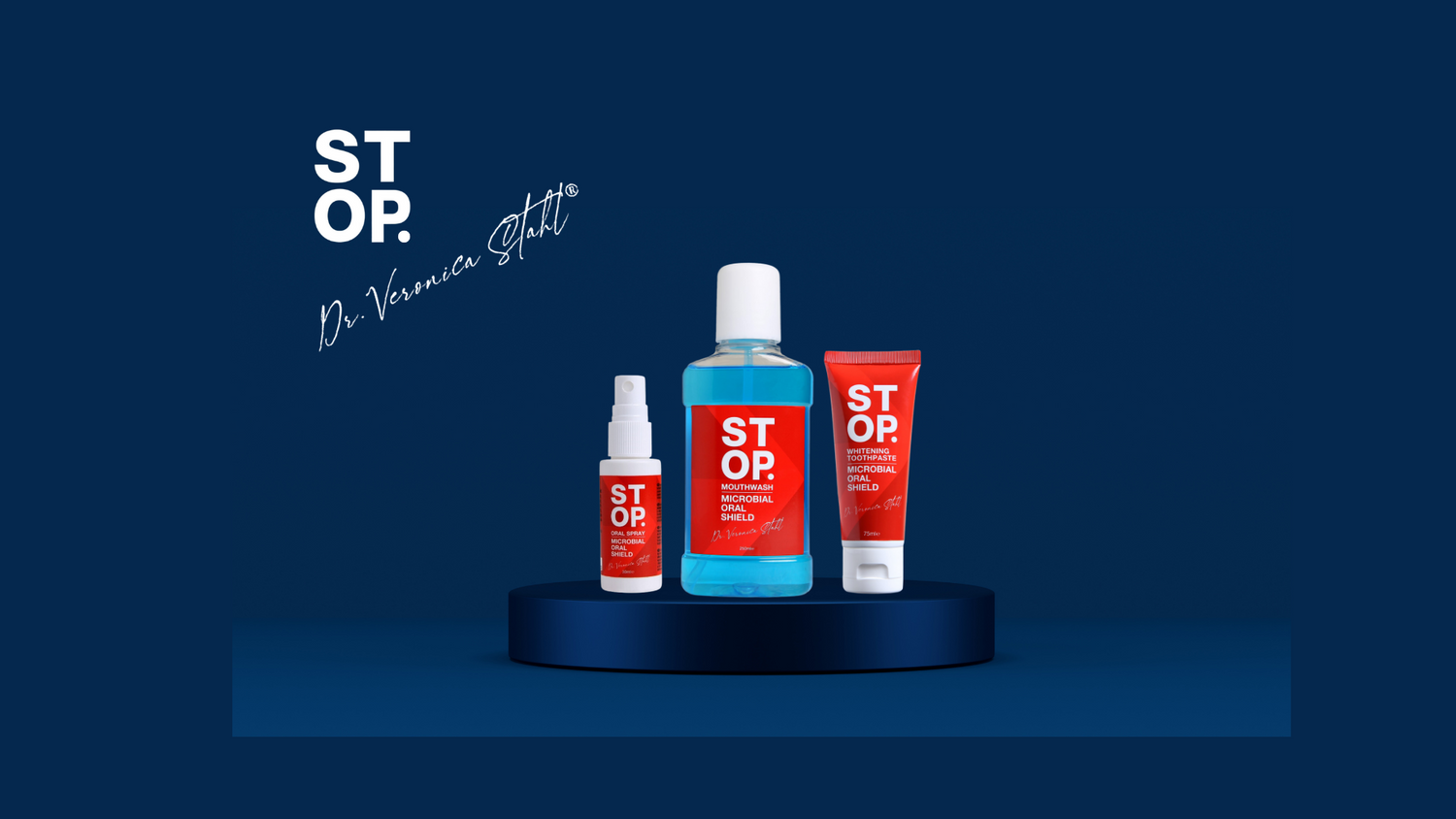
Our own Protective & Whitening Toothpaste, formulated with hemp and Dead Sea minerals, fits into this daily-maintenance category. It’s designed for surface polish and gum support rather than peroxide-driven bleaching, which makes it a reasonable option for the months you’d rather not use active whitening agents.
Steer clear of unregulated whitening pens, high-concentration home gels bought online, and repeated whitening sessions spaced only days apart. These practices strip away the safety margin that supervised, spaced-out treatment provides. If you do decide to proceed with any peroxide product while nursing, insist on a custom-fitted tray, tell your provider you’re breastfeeding, use the lowest effective concentration, avoid swallowing any gel, and rinse thoroughly once the session ends.
Pro Tip: Keep a glass of water nearby during any whitening session and rinse your mouth immediately if you taste gel escaping the tray. Swallowing a small amount occasionally isn’t an emergency, but there’s no reason to let it happen repeatedly when a quick rinse prevents it.
What to Tell Your Dentist Before Any Whitening Decision
A short, honest conversation with your dentist does more for your safety than any amount of internet research. Come prepared with a few specific details so they can give you advice suited to your actual situation rather than a generic answer.
- State your breastfeeding status clearly, including whether you’re exclusively nursing or already mixing in formula or solids.
- Share your baby’s age. A newborn a few weeks old is a different conversation than an eight-month-old who’s mostly on solid food.
- List any medications you’re taking, since some interact with dental anesthetics or affect healing time.
- Mention recent oral health issues, including sensitivity, gum bleeding, or any dental work done during pregnancy.
- Ask direct questions: what concentration will they use, how well will the tray fit, and have they treated nursing patients before?
The Breastfeeding Network points out that most dental treatment remains possible during breastfeeding. It’s the elective, cosmetic procedures, like whitening, that get postponed as a precaution more often than treatments addressing pain or infection. Weigh whether your case is elective or urgent, how young your baby is, whether you’re exclusively breastfeeding, and how sensitive your teeth already are. Each factor shifts the recommendation slightly, which is exactly why a personalized conversation beats a blanket rule.
Why Stop-oralcare Takes Oral Health Guidance Seriously
The product line is developed under the guidance of an expert in dentistry and natural medicine, focusing on formulations backed by scientific research rather than marketing claims alone. That research-first approach shapes how we talk about sensitive topics like whitening during breastfeeding: honestly, with the uncertainty intact rather than glossed over.
If you want to go deeper on related topics, a few resources worth reading:
- Our breakdown of natural teeth whitening evidence and safety covers non-peroxide brightening approaches in more depth.
- If sensitivity has been an issue for you before, our guide to remedies for post-whitening sensitivity is worth bookmarking for later.
- Our natural whitening workflow guide walks through a gradual, low-risk daily routine you can start now and continue after breastfeeding ends.
A Personal Note on Patience and Self-Care After Childbirth
Wanting your smile back after months of pregnancy and a newborn’s demands is completely understandable. Nobody should feel guilty for missing small comforts like a brighter smile. Delaying elective whitening is the commonly recommended path, but “commonly recommended” isn’t the same as “mandatory for every mother.” Your baby’s age, your own sensitivity, and how you feel about the uncertainty all matter. The right call is the one you reach with a dentist who knows your full picture, not one dictated by a blanket rule online.
— Veronica
A Lower-Risk Way to Care for Your Smile While You Wait
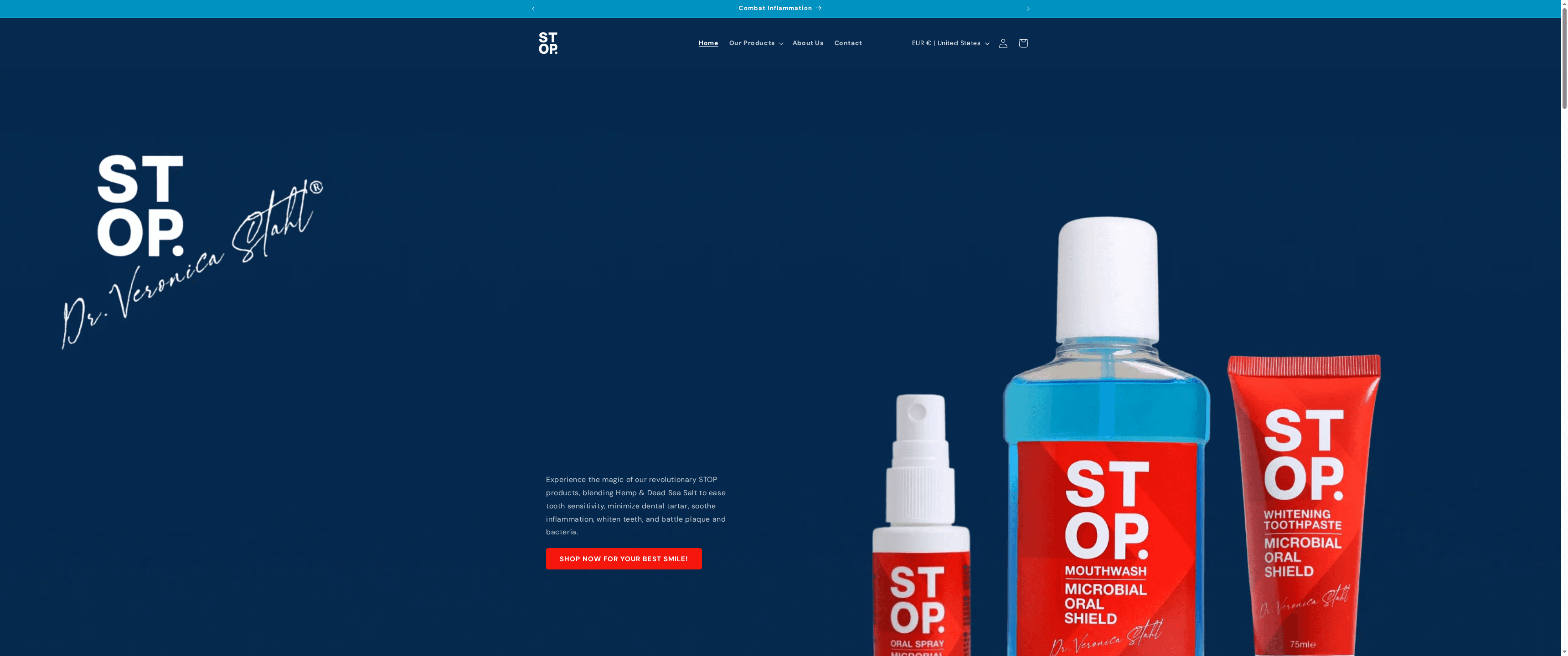
There are options to maintain a brighter, healthier smile without introducing peroxide into the equation. Some protective and whitening toothpaste, mouthwash, and oral spray products are formulated fluoride-free with hemp and Dead Sea minerals, designed for daily gum support and surface polish rather than active bleaching.
Using these daily won’t replace a professional whitening treatment, but it keeps your mouth feeling clean and your smile maintained while you decide whether to postpone whitening until after breastfeeding. Browse the full product lineup at Stop-oralcare and pair your daily routine with a conversation with your dentist about timing that fits your situation.
This article is general information, not a substitute for advice from a qualified doctor. Consult a qualified healthcare professional about your own circumstances before acting on anything here.
Sources
- Carbamide Peroxide - Drugs and Lactation Database (LactMed®) - NCBI Bookshelf
- Teeth whitening - NHS
- Breastfeeding and dental health (breastfeeding medicine e-learning)
- Whitening Teeth during Pregnancy or Breastfeeding? Let’s Bite into the Subject! - MotherToBaby
FAQ
Can You Get Your Teeth Whitened While Breastfeeding?
Most clinicians advise postponing elective whitening while nursing, even though the NHS lists it as not recommended during this period as a precaution rather than a proven danger. If you decide to proceed anyway, discuss it with your dentist first and consider a dentist-supervised, custom-tray approach over an at-home kit.
Is It Okay to Use Whitening Products While Breastfeeding?
Whitening products are considered likely low risk because LactMed notes carbamide peroxide is unlikely to be absorbed systemically when used as directed. That said, evidence specific to breastfeeding is limited, which is why many providers still recommend waiting or choosing a non-peroxide alternative.
Why Can’t You Use Teeth Whitening During Pregnancy or Breastfeeding?
The restriction isn’t based on proven harm. It reflects a lack of breastfeeding-specific clinical trials, combined with the fact that whitening is elective, so clinicians default to caution when a cosmetic treatment carries any uncertainty.
Can I Do Teeth Bleaching While Breastfeeding?
Teeth bleaching uses the same peroxide chemistry as standard whitening, so the same guidance applies: MotherToBaby indicates transfer to breast milk is unlikely to be meaningful, but they still recommend discussing timing and method with your dentist before scheduling treatment.
What Can I Use Instead of Peroxide Whitening While Nursing?
Non-peroxide options include a professional scale and polish, airflow polishing, and daily maintenance with a fluoride-free whitening toothpaste like Stop-oralcare’s Protective & Whitening Toothpaste. These maintain brightness without introducing any active bleaching agent while you wait.