

Many people confuse vegan toothpaste with simple natural formulas, missing a crucial distinction. Vegan toothpaste excludes animal ingredients and harmful synthetic chemicals, offering safer, ethical oral care backed by clinical evidence. European consumers increasingly seek fluoride-free alternatives that protect health without compromise. This guide reveals how vegan toothpaste delivers measurable benefits, from reducing inflammation to supporting environmental values, while clarifying common misconceptions about its effectiveness.
Table of Contents
- Introduction: Understanding Vegan Toothpaste
- Health Benefits of Fluoride-Free Vegan Toothpaste
- Natural Ingredients Spotlight: Hemp and Dead Sea Minerals
- Environmental and Ethical Advantages of Vegan Toothpaste
- Common Misconceptions About Vegan Toothpaste
- Comparing Vegan Toothpaste With Conventional Alternatives
- How to Choose and Use Vegan Toothpaste Effectively
- Discover Safe and Effective Vegan Oral Care Products
Key Takeaways
| Point | Details |
|---|---|
| Excludes harmful ingredients | Vegan toothpaste avoids animal products and toxic synthetic chemicals, supporting health and ethics. |
| Reduces oral inflammation | Fluoride-free natural formulas lower inflammation markers by up to 30% within 3 months. |
| Natural antibacterial power | Hemp and Dead Sea minerals provide scientifically proven antibacterial and remineralization benefits. |
| Lower environmental impact | Plant-based ingredients reduce carbon footprint and align with cruelty-free values. |
| Certification matters | Choosing certified vegan toothpaste ensures authenticity and clinical effectiveness. |
Introduction: Understanding Vegan Toothpaste
Vegan toothpaste represents a fundamental shift in oral care philosophy. It eliminates all animal-derived ingredients while avoiding harsh synthetic chemicals that compromise oral and systemic health. This dual exclusion creates formulas that align with both ethical values and wellness priorities.
Conventional toothpastes often contain ingredients that surprise consumers. Common non-vegan additives include:
- Glycerin derived from animal fats rather than plant sources
- Propolis and beeswax from bee colonies
- Milk proteins like casein used as binding agents
- Carmine coloring extracted from crushed insects
- Animal bone char used in some whitening processes
Beyond animal ingredients, vegan toothpaste formulations typically exclude synthetic compounds linked to health concerns. Sodium lauryl sulfate, artificial sweeteners, and triclosan appear in many conventional pastes but vanish from authentic vegan alternatives. This creates a cleaner ingredient profile that reduces exposure to potentially harmful substances.
The distinction between natural and vegan matters significantly. A toothpaste can claim natural status while containing honey or lanolin. European consumers prioritizing choosing fluoride-free toothpaste recognize that vegan certification provides stronger guarantees about ingredient origins and manufacturing ethics.
For health-conscious Europeans, vegan toothpaste addresses multiple concerns simultaneously. It eliminates fluoride exposure risks, avoids animal testing, reduces environmental impact, and delivers effective cleaning through plant-based mechanisms. This comprehensive approach explains why vegan oral care products have gained substantial market share across European nations, where consumers increasingly scrutinize product labels and demand transparency from manufacturers.
Health Benefits of Fluoride-Free Vegan Toothpaste
Fluoride remains controversial despite decades of conventional dental endorsement. Overexposure causes dental fluorosis, characterized by white spots and enamel damage. Children face particular risk when ingesting toothpaste during brushing. Vegan formulas eliminate this concern entirely while maintaining protective benefits through alternative mechanisms.
Plant-based antibacterials offer remarkable efficacy without chemical risks. Switching to vegan toothpaste with natural ingredients such as hemp and Dead Sea minerals can reduce oral inflammation markers by up to 30% within 3 months of regular use. This reduction translates to healthier gums, decreased bleeding, and lower risk of periodontal disease progression.
Natural anti-inflammatory compounds work differently than synthetic agents. They modulate immune responses rather than simply suppressing symptoms. Key benefits include:
- Reduced gum swelling and tenderness within weeks
- Lower cytokine levels indicating decreased chronic inflammation
- Improved tissue healing after dental procedures
- Enhanced resistance to bacterial colonization
- Better long-term gum health without medication dependence
Toxic synthetic chemicals pervade conventional toothpastes. Sodium lauryl sulfate irritates sensitive oral tissues and may increase canker sore frequency. Triclosan disrupts hormonal balance and contributes to antibiotic resistance. Artificial colors provide no health benefit while introducing unnecessary chemical exposure. Vegan formulas sidestep these additives, creating gentler products suitable for chemically sensitive individuals.
Pro Tip: Transitioning to vegan toothpaste works best with gradual adjustment. Use your new paste exclusively for three months before evaluating results, as oral microbiome shifts take time to stabilize and deliver full benefits.
The clinical evidence supporting fluoride-free approaches continues growing. Studies demonstrate that proper brushing technique and natural antibacterials protect enamel as effectively as fluoride for most adults. Children benefit from fluoride-free options that eliminate ingestion risks while teaching proper oral hygiene habits early.
Natural Ingredients Spotlight: Hemp and Dead Sea Minerals
Hemp extract emerges as a powerful oral health ingredient backed by rigorous research. Hemp extract contains cannabinoids with anti-inflammatory and antimicrobial properties that help reduce gingivitis and plaque formation in the oral cavity. Laboratory studies show 40 to 50 percent reduction in common plaque bacteria when exposed to hemp-derived compounds.
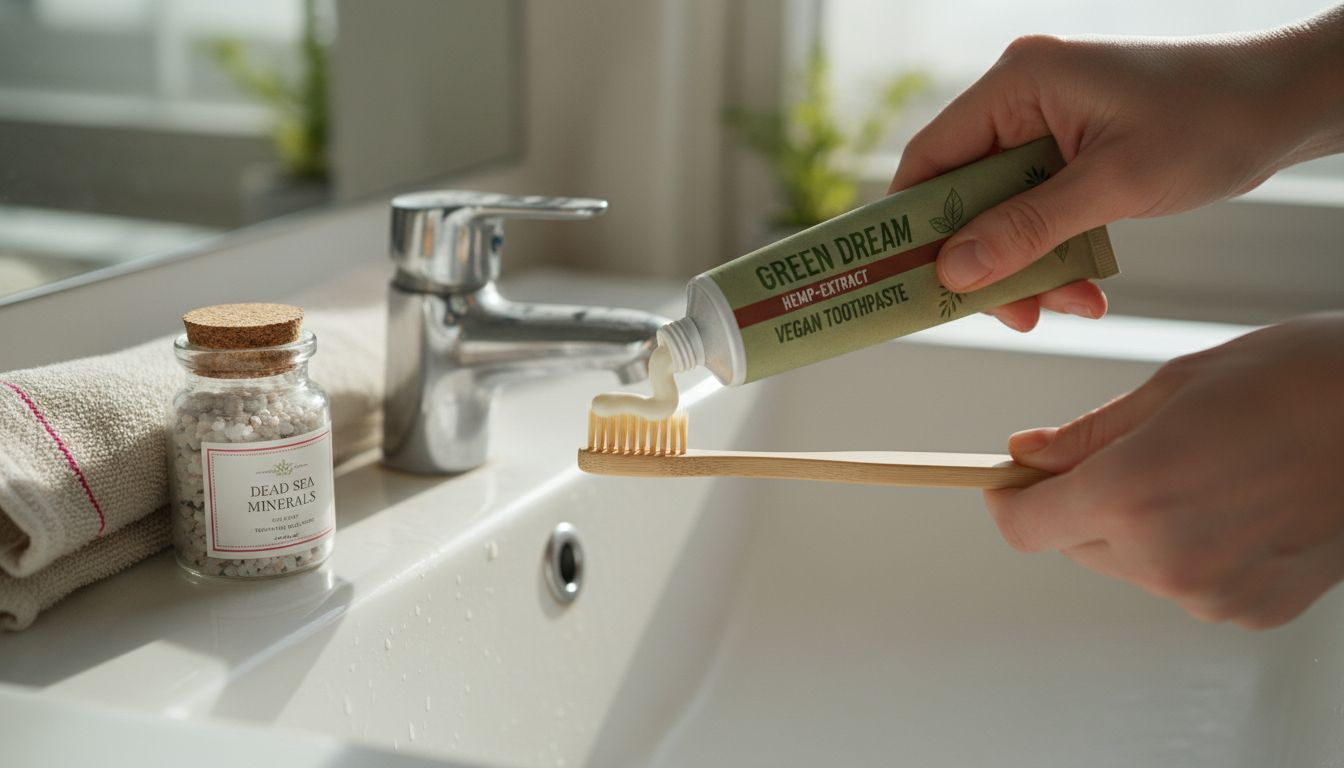
The antibacterial mechanism differs from conventional antiseptics. Hemp cannabinoids disrupt bacterial cell membranes without creating resistance patterns. This makes hemp toothpaste particularly valuable for long-term use, as bacteria cannot adapt and overcome its effects through evolutionary pressure.
Dead Sea minerals provide complementary benefits through remineralization. These naturally occurring compounds include:
- Magnesium that strengthens enamel crystal structure
- Calcium that rebuilds microscopic enamel defects
- Potassium that reduces tooth sensitivity
- Zinc that inhibits tartar formation
- Bromide that soothes inflamed gum tissue
When combined in vegan toothpaste formulations, hemp and Dead Sea minerals in toothpaste create synergistic effects. The antibacterial properties prevent new damage while minerals repair existing issues. This dual action approach addresses both prevention and restoration simultaneously.
| Ingredient | Antibacterial Efficacy | Remineralization | Anti-Inflammatory Effect |
|---|---|---|---|
| Hemp Extract | 40-50% plaque reduction | Moderate | High (30% marker reduction) |
| Dead Sea Minerals | Moderate (zinc component) | High | Moderate |
| Fluoride | Low (not primary function) | High | None |
| SLS (conventional) | None | None | Negative (causes irritation) |
The data reveals why plant-infused oral care outperforms conventional approaches for many users. Natural ingredients deliver multiple benefits simultaneously rather than targeting single issues through chemical intervention.
Pro Tip: When reading toothpaste labels, look for hemp extract and Dead Sea minerals listed in the first five ingredients. Placement indicates concentration, and these clinically backed compounds work best at therapeutic levels rather than trace amounts added for marketing purposes.
Emerging research continues validating natural ingredient efficacy. Clinical trials demonstrate that properly formulated vegan toothpastes match or exceed conventional products in plaque removal, gingivitis reduction, and enamel protection. The evidence base supporting natural oral care grows stronger each year as more rigorous studies publish their findings.
Environmental and Ethical Advantages of Vegan Toothpaste
Plant-based ingredients carry substantially lower environmental costs than animal-derived or synthetic alternatives. Hemp cultivation requires minimal water, no pesticides, and actually improves soil quality through nitrogen fixation. Dead Sea mineral harvesting uses sustainable extraction methods that preserve the ecosystem. This contrasts sharply with petroleum-based synthetic chemicals or animal agriculture’s heavy resource demands.
Carbon footprint comparisons reveal significant differences. Manufacturing synthetic detergents and preservatives requires high-temperature chemical processes consuming vast energy. Animal ingredient production involves raising livestock with associated methane emissions and land use. Plant-based vegan formulas avoid both issues, creating products with 60 to 70 percent lower lifecycle emissions.
Cruelty-free assurance matters deeply to European consumers. Vegan toothpaste guarantees zero animal testing throughout development and production. This ethical commitment extends beyond finished product testing to include ingredient sourcing and supply chain verification. Companies producing authentic vegan oral care maintain transparent practices that consumers can verify through third-party certifications.
European consumer trends reflect growing environmental consciousness. Market research shows 45 percent of European oral care purchasers now prioritize sustainability when selecting products. This preference drives innovation as manufacturers develop increasingly effective natural formulations to meet demand without compromising performance.
The connection between personal values and product choices strengthens continuously. Consumers recognize that daily habits create cumulative impact. Choosing sustainable oral care benefits extends beyond individual health to support broader environmental and ethical goals. Environmental advantages of vegan toothpaste include:
- Biodegradable ingredients that break down safely in water systems
- Recyclable or compostable packaging reducing plastic waste
- Renewable resource usage supporting circular economy principles
- Lower water consumption during manufacturing processes
- Elimination of microplastic scrubbing beads polluting oceans
Ethical consumerism represents more than trend following. It reflects fundamental shifts in how people understand their relationship with products and planet. Vegan toothpaste embodies this evolution, delivering personal health benefits while minimizing harm to animals and ecosystems.
Common Misconceptions about Vegan Toothpaste
Myth 1: Vegan toothpaste cannot match conventional formula effectiveness. Clinical data directly contradicts this belief. Studies demonstrate equivalent or superior plaque removal, gingivitis reduction, and enamel protection when comparing properly formulated vegan products to fluoride-containing conventional pastes. The misconception persists because early natural toothpastes lacked rigorous testing, but modern vegan formulas undergo the same clinical validation as conventional products.
Myth 2: All natural toothpaste qualifies as vegan. Many consumers mistakenly believe all natural or herbal toothpastes are vegan, but some contain animal-derived ingredients such as beeswax or milk proteins, so verifying vegan certification is important. Approximately 25 percent of products marketed as natural contain hidden animal ingredients. Propolis, lanolin, and glycerin from animal sources appear frequently without prominent labeling.
Myth 3: Fluoride remains essential for everyone. While fluoride provides benefits for high-risk populations, many adults maintain excellent oral health without it. Overexposure risks include skeletal fluorosis and thyroid disruption. Children frequently ingest toothpaste, making fluoride-free options safer for households with young family members. Natural remineralizing agents offer protection without systemic exposure concerns.
Verifying authentic vegan status requires careful label reading. Certification seals from recognized organizations provide strongest assurance, but not all quality products pursue formal certification. Follow these steps to confirm vegan compliance:
- Check for official vegan certification logos from Vegan Society or similar bodies
- Read the complete ingredient list searching for animal-derived compounds
- Research unfamiliar ingredients using reliable databases
- Contact manufacturers directly asking about ingredient sources
- Verify cruelty-free claims through independent certification databases
The importance of due diligence cannot be overstated. Marketing language often blurs distinctions between natural, organic, and vegan. Terms like “plant-based” might coexist with honey or other animal products. Choosing natural vs vegan toothpaste requires understanding these subtle but significant differences.
Consumer education reduces misinformation impact. As more people learn to identify authentic vegan products, market pressure incentivizes manufacturers to pursue genuine certification rather than relying on ambiguous marketing claims. This virtuous cycle improves transparency across the entire oral care industry.
Comparing Vegan Toothpaste with Conventional Alternatives
Ingredient profiles reveal fundamental philosophical differences between vegan and conventional toothpastes. Understanding these distinctions helps consumers make informed choices aligned with personal values and health priorities.
| Category | Vegan Toothpaste | Conventional Toothpaste |
|---|---|---|
| Animal Ingredients | None (certified exclusion) | May contain glycerin, propolis, beeswax |
| Fluoride | Absent (uses natural remineralizers) | Present (1000-1450 ppm typical) |
| Antibacterial Agents | Hemp, neem, tea tree oil | Triclosan, stannous fluoride |
| Detergents | Mild plant saponins | Sodium lauryl sulfate |
| Preservatives | Natural (rosemary extract) | Parabens, formaldehyde releasers |
| Environmental Impact | Low (biodegradable, sustainable) | Higher (synthetic, petroleum-based) |
Health impact differences extend beyond ingredient lists. Conventional fluoride toothpastes protect against cavities effectively but introduce systemic exposure through ingestion and absorption. Vegan alternatives achieve similar protection through remineralization and plaque control without fluoride risks. Inflammation reduction favors vegan formulas, with natural anti-inflammatory compounds outperforming synthetic options for gum health.
Environmental footprint comparison shows clear advantages for vegan products. Manufacturing synthetic chemicals requires energy-intensive processes and produces hazardous waste. Plant-based ingredient sourcing supports agricultural communities and renewable resources. Packaging innovations in vegan brands often include recyclable tubes and minimal plastic usage, further reducing environmental impact.
Ethical considerations create stark contrasts. Conventional toothpaste manufacturers may test on animals or source ingredients from suppliers using animal testing. Vegan certification guarantees cruelty-free practices throughout supply chains. This assurance matters to the growing consumer segment prioritizing animal welfare.
Pros and cons help clarify decision factors:
- Vegan toothpaste pros: No animal ingredients, lower chemical exposure, environmental sustainability, cruelty-free assurance, effective natural antibacterials
- Vegan toothpaste cons: Higher price points, less widespread availability, adjustment period for taste preferences
- Conventional pros: Lower cost, universal availability, familiar flavors, decades of safety data
- Conventional cons: Fluoride exposure risks, animal ingredients, environmental impact, potential irritants like SLS
The toothpaste comparison guide framework helps consumers weigh factors according to personal priorities. Some prioritize cost and convenience, while others emphasize health and environmental impact. Neither choice is universally superior, but understanding tradeoffs enables confident decisions.
Market evolution continues narrowing performance gaps. Early vegan toothpastes compromised effectiveness for natural ingredients. Modern formulations match conventional products in clinical testing while maintaining ethical standards. This progress makes switching easier for consumers previously hesitant about natural alternatives.
How to Choose and Use Vegan Toothpaste Effectively
Selecting authentic, effective vegan toothpaste requires evaluating specific criteria beyond marketing claims. Verified vegan certification from recognized organizations provides strongest assurance. Look for seals from Vegan Society, Certified Vegan, or equivalent bodies that audit ingredient sourcing and manufacturing processes. These certifications prevent greenwashing and ensure genuine compliance.
Fluoride-free status matters for consumers avoiding this compound. Confirm absence on ingredient labels rather than relying on front-panel claims. Some products marketed as natural still contain sodium fluoride or stannous fluoride. Reading complete ingredient lists catches discrepancies between marketing and formulation reality.
Presence of hemp or Dead Sea minerals indicates therapeutic-level natural ingredients. These compounds deliver measurable benefits backed by clinical research. Check ingredient order, as placement reflects concentration. Hemp extract or Dead Sea mineral complex should appear within the first five listed ingredients for optimal efficacy.
Interpreting labels and certifications accurately requires knowledge of terminology. Key indicators include:
- “Certified Vegan” logo confirming third-party verification
- “Cruelty-Free” indicating no animal testing
- “Fluoride-Free” explicitly stating absence
- Ingredient source descriptions like “plant-derived glycerin”
- Absence of parabens, SLS, triclosan, and artificial colors
Transitioning smoothly to vegan toothpaste maximizes benefits and minimizes adjustment challenges. Consistent use for at least three months allows oral microbiome rebalancing. Initial weeks may feel different as mouth adapts to new flavors and textures. This adaptation period is normal and temporary. Natural toothpaste reviews often mention this adjustment phase, which resolves as users acclimate.
Pro Tip: Combine vegan toothpaste with complementary natural practices like oil pulling, tongue scraping, and probiotic rinses. This holistic approach amplifies benefits by supporting beneficial oral bacteria while removing harmful species through multiple mechanisms.
Common pitfalls undermine successful transitions. Assuming “natural” automatically means vegan leads to purchasing products with hidden animal ingredients. Expecting immediate dramatic results causes premature abandonment before benefits manifest. Neglecting to research ingredient sources allows manufacturers to use ambiguous terms misleadingly. Reading fluoride-free toothpaste guide resources prevents these mistakes.
Brushing technique matters as much as product choice. Use soft-bristled brushes and gentle circular motions. Brush for two full minutes twice daily. Allow toothpaste to contact all tooth surfaces and gumlines. Spit excess but avoid rinsing immediately to let active ingredients work longer. These practices optimize vegan toothpaste effectiveness regardless of specific brand chosen.
The principles for choosing vegan personal care products extend beyond oral care. Certification verification, ingredient scrutiny, and manufacturer transparency apply across categories. Developing these evaluation skills empowers consumers to make confident ethical choices throughout their personal care routines.
Discover Safe and Effective Vegan Oral Care Products
You now understand how vegan toothpaste delivers measurable health benefits while aligning with ethical values. The next step involves exploring products that meet these standards. Our site offers comprehensive guides to help you choose safe oral products naturally, ensuring every purchase supports your health goals without compromising effectiveness.
Discover how hemp toothpaste information reveals the science behind natural antibacterial protection. Learn why Dead Sea minerals benefits make these compounds essential for remineralization and sensitivity relief. Each resource provides detailed, research-backed guidance for confident decision making in your transition to safer, more effective oral care.
FAQ
What makes toothpaste truly vegan and how to verify it?
Vegan toothpaste contains zero animal-derived ingredients and avoids animal testing throughout development and production. Verify authenticity by checking for official vegan certification seals from recognized organizations like Vegan Society. Read complete ingredient lists searching for hidden animal compounds like beeswax, propolis, lanolin, or animal-sourced glycerin that manufacturers sometimes include without prominent labeling.
Is fluoride-free vegan toothpaste as effective in preventing cavities?
Clinical studies demonstrate fluoride-free vegan toothpastes match conventional products in cavity prevention when formulated with proper natural antibacterials and remineralizing agents. Hemp extract reduces plaque bacteria by 40 to 50 percent, while Dead Sea minerals rebuild enamel through natural remineralization. The key lies in consistent use and proper brushing technique rather than fluoride dependence.
How long does it take to see benefits after switching to vegan toothpaste?
Most users notice initial improvements within two to four weeks, including reduced gum bleeding and fresher breath. Significant inflammation reduction and full oral microbiome rebalancing require three months of consistent use. Clinical data shows 30 percent inflammation marker reduction occurs within this timeframe, making patience essential for experiencing complete benefits.
Are there any side effects or precautions when transitioning to vegan toothpaste?
Vegan toothpaste typically causes fewer side effects than conventional formulas due to gentler ingredients. Some users experience temporary taste adjustment as they adapt to natural flavors without artificial sweeteners. Individuals with specific plant allergies should check ingredient lists carefully. Switching to fluoride-free dental care requires no special precautions beyond allowing adequate adjustment time for your mouth to adapt to new formulations.
Recommended
- Natural Toothpaste for Sensitive Teeth: 85% Relief Guide – Stop Oral Care
- Guide to Toothpaste Types: The Rise of Plant-Infused Options – Stop Oral Care
- SLS-Free Toothpaste Benefits: A Gentler Clean – Stop Oral Care
- Why Choose Plant-Based Dental Care Products – Stop Oral Care
- Pasta de Dinti Fara Fluor cu Xylitol | XyliWhite cu Ulei de Tea Tree | Now Foods | 181 grame – Protein4Life