

Every time you run your tongue over your teeth, you’re feeling a living ecosystem. Dental biofilm is not just the sticky plaque your dentist warns about. It’s a sophisticated microbial community that forms constantly on your teeth, playing a surprisingly complex role in your oral and overall health. This organized bacterial network can either protect your mouth or trigger serious problems, depending on how you manage it. Understanding what dental biofilm really is empowers you to make smarter choices about your oral care routine. This guide explains how biofilm forms, why it matters for your teeth and gums, and practical natural strategies to keep it under control.
Table of Contents
- Key takeaways
- What is dental biofilm and how does it form?
- Why dental biofilm matters: impact on oral and overall health
- The complex nature of biofilms and natural care approaches
- How to manage dental biofilm for optimal oral health
- Explore natural oral care solutions at Stop Oral Care
- What is dental biofilm? Frequently asked questions
Key Takeaways
| Point | Details |
|---|---|
| Biofilm definition | Dental biofilm is an organized microbial community that forms on teeth and can influence oral health. |
| Formation cycle | Biofilm forms through the acquired pellicle, early and secondary colonization, EPS production, maturation, and dispersion, starting within minutes after cleaning. |
| Health impact | Uncontrolled biofilm promotes tooth decay through acid production and gum disease through inflammation, progressing from gingivitis to periodontitis. |
| Control methods | Regular mechanical cleaning and brushing for at least two minutes twice daily disrupt biofilm before it matures and reduces disease risk. |
What is dental biofilm and how does it form?
Dental biofilm is an organized community of microorganisms attached to teeth, embedded in a self-produced matrix mainly comprising water, carbohydrates, proteins, nucleic acids, and lipids. This matrix, called extracellular polymeric substance (EPS), acts like glue that holds bacteria together and shields them from your immune system and antimicrobial agents. The EPS makes up about 85% of biofilm by volume, with water being the dominant component that allows nutrients and waste to move through the structure.
Key bacterial players include Streptococcus mutans and Streptococcus sanguinis, which are among the first colonizers. These bacteria produce sticky substances that help them cling to tooth surfaces and recruit other microbial species. Over time, hundreds of different bacterial species join the community, each contributing specific functions that help the biofilm survive and grow.
Biofilm formation starts with acquired pellicle, followed by bacterial adhesion, co-adhesion, EPS production, maturation, and dispersion phases. Here’s how it happens:
- Within minutes after cleaning, salivary proteins coat your teeth forming the acquired pellicle
- Early colonizers like Streptococcus species attach to this pellicle within 4 to 8 hours
- Secondary colonizers bind to early bacteria through co-adhesion, building layers
- Bacteria produce EPS matrix, creating a protective three-dimensional structure
- The biofilm matures as bacterial populations diversify and communicate
- Mature biofilm releases bacteria that spread to colonize new tooth surfaces
This process is dynamic and continuous. Even after thorough brushing, the pellicle reforms immediately and bacteria begin recolonizing within hours. The biofilm becomes increasingly complex and harder to remove as it matures, which is why consistent oral hygiene matters so much.
Pro Tip: Brush your teeth twice daily, timing sessions for at least two minutes to physically disrupt biofilm before it matures. Morning and evening cleaning interrupts the formation cycle at vulnerable stages, preventing the community from becoming established and resistant.
Why dental biofilm matters: impact on oral and overall health
Dental biofilm directly threatens your oral health through two primary mechanisms. First, biofilm causes dental caries through acid production and periodontal disease via inflammation, progressing from gingivitis to periodontitis. Bacteria like S. mutans ferment dietary sugars, producing lactic acid that drops the pH around your teeth below 5.5. This acidic environment dissolves tooth enamel, creating cavities. The longer biofilm sits undisturbed on tooth surfaces, the more acid accumulates and the greater the damage.
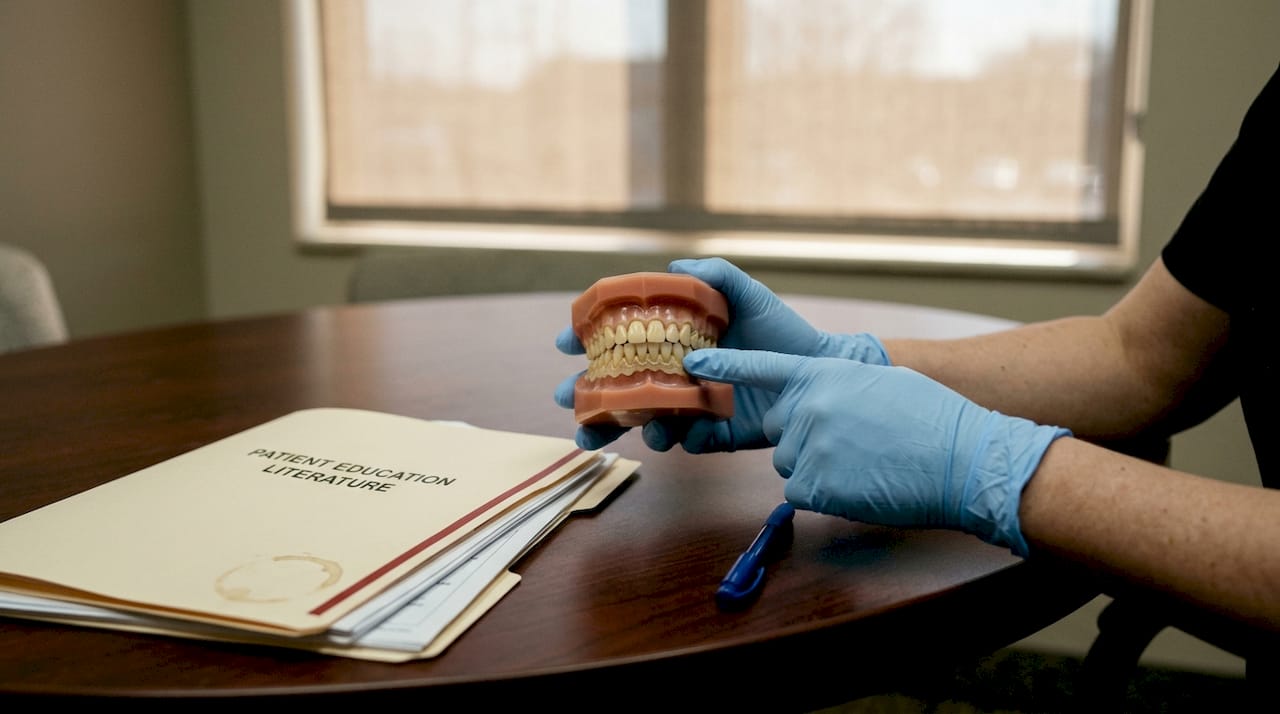
Second, biofilm triggers inflammatory responses in your gums. Bacterial toxins and waste products irritate gum tissue, causing redness, swelling, and bleeding. This initial inflammation is gingivitis. If biofilm continues growing below the gumline, it progresses to periodontitis, where deeper tissues and bone supporting your teeth break down. You might notice gum recession, loose teeth, or persistent bad breath as warning signs.
The protective EPS matrix makes biofilm remarkably resistant to your body’s defenses and antimicrobial treatments. Antibodies and immune cells struggle to penetrate the matrix, allowing bacteria to thrive despite your immune response. Chemical rinses and antibiotics show limited effectiveness against mature biofilm because the matrix blocks their penetration and bacteria in biofilm enter slow-growing states that resist drug action.
Beyond your mouth, subgingival biofilms increase bacterial resistance and associate with systemic diseases like cardiovascular disease and diabetes. Inflammatory molecules and bacteria from diseased gums enter your bloodstream, potentially affecting distant organs. Research links periodontal disease to increased risk of heart disease, stroke, and complications in diabetes management.
“The oral microbiome serves as a gateway to systemic health, with chronic oral inflammation contributing to disease processes throughout the body.”
Managing dental biofilm is not just about preventing cavities or keeping your smile bright. It’s about protecting your whole body health. Controlling biofilm reduces chronic inflammation, limits bacterial spread, and supports oral microbiome balance that influences your overall wellness. Your mouth is the entry point to your body, and keeping biofilm in check is fundamental preventive care.
The complex nature of biofilms and natural care approaches
Dental biofilm is far more diverse and dynamic than most people realize. Studies show early biofilms on implants are diverse, dynamic, and subject-specific, increasing in species diversity over time. Researchers have identified 371 distinct bacterial species in oral biofilms, with composition varying between individuals and even between different teeth in the same mouth. This complexity means biofilm management requires comprehensive approaches rather than targeting single bacterial species.
Biofilm characteristics change dramatically as they mature:
| Early Biofilm (0-24 hours) | Mature Biofilm (48+ hours) |
|---|---|
| Thin layer, mostly aerobic bacteria | Thick, layered structure with anaerobic zones |
| Easily disrupted by brushing | Firmly attached, requires more effort to remove |
| Limited EPS matrix | Dense EPS matrix providing strong protection |
| Primarily Streptococcus species | Diverse community including pathogenic species |
| Low acid production | High acid production and inflammatory potential |
The most important fact about biofilm control is this: mechanical removal is primary control as mature biofilms resist chemicals and harden into calculus. No mouthwash or toothpaste ingredient can match the effectiveness of physically scrubbing biofilm off your teeth. Brushing and flossing mechanically disrupt the structure, breaking up the protective matrix and removing bacterial communities before they cause damage.
Natural care approaches work with your body’s systems rather than against them. Natural care emphasizes mechanical disruption, with probiotics potentially modulating biofilm composition. Beneficial bacteria can compete with harmful species for attachment sites and nutrients, helping maintain a healthier balance. This approach recognizes that eliminating all oral bacteria is neither possible nor desirable.
Effective natural strategies include:
- Thorough twice-daily brushing focusing on all tooth surfaces and the gumline
- Daily flossing to remove biofilm from between teeth where brushes cannot reach
- Oral probiotics containing beneficial Streptococcus salivarius strains
- Limiting refined sugars that feed acid-producing bacteria
- Choosing oral hygiene products that support microbial balance
- Regular professional teeth cleaning to remove calcified deposits
Pro Tip: Time your brushing to interrupt biofilm maturation. Brush once in the morning to remove overnight accumulation and once before bed to prevent bacterial growth during sleep when saliva flow decreases and biofilm develops faster.
When selecting oral care products, look for toothpaste formulations and bioactive ingredients that support rather than destroy your oral microbiome. Harsh antimicrobials can disrupt beneficial bacteria along with harmful ones, potentially allowing problematic species to dominate when the ecosystem rebounds.
How to manage dental biofilm for optimal oral health
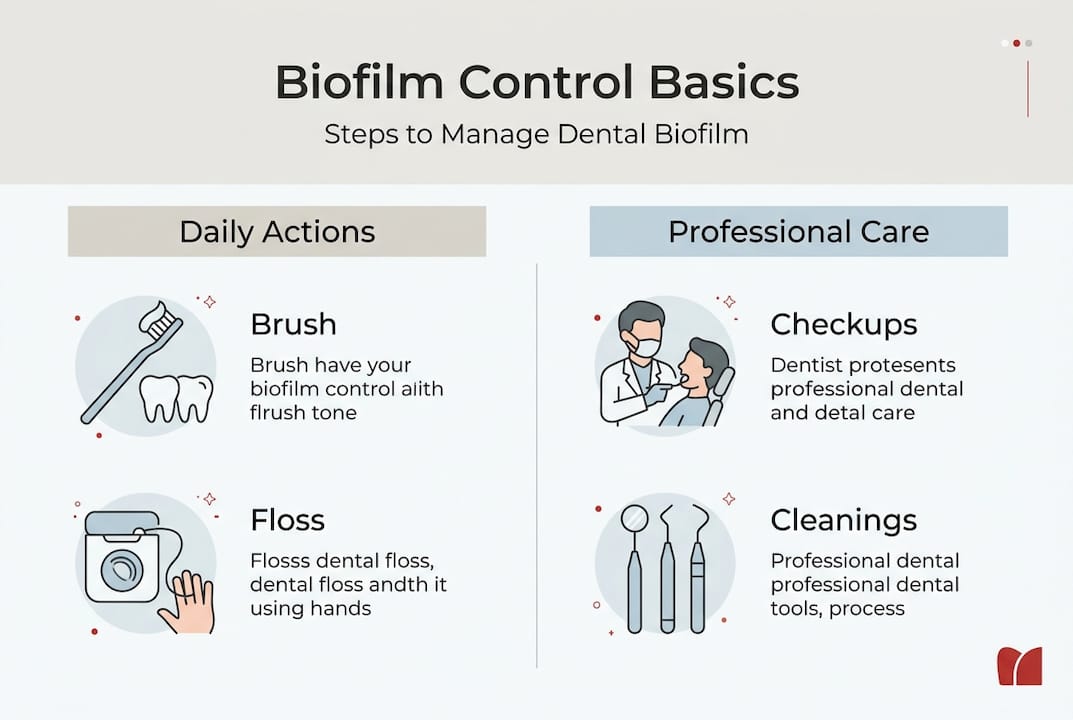
Controlling dental biofilm requires consistent daily habits that physically disrupt bacterial communities before they mature and cause problems. Follow these practical steps:
- Brush twice daily for two minutes using proper technique, angling bristles toward the gumline where biofilm accumulates
- Floss once daily to remove biofilm from interdental spaces that brushing misses
- Limit sugary and starchy foods that provide fuel for acid-producing bacteria
- Consider oral probiotics to introduce beneficial bacteria that compete with harmful species
- Schedule professional dental cleanings every six months to remove hardened calculus and assess oral health
- Choose fluoride-free natural toothpaste if you prefer products supporting microbiome balance
Timing and technique matter as much as frequency. Mechanical removal is the most effective method reducing biofilm and preventing calculus formation. When you brush, focus on each tooth surface systematically rather than rushing through. Use gentle circular motions rather than harsh scrubbing, which can damage gums without improving biofilm removal.
Selecting the right oral care products supports your efforts. Look for toothpaste designed for plaque control that includes ingredients supporting enamel health and microbial balance. Natural formulations with minerals, enzymes, and plant extracts can enhance cleaning effectiveness while being gentler on your oral ecosystem than harsh chemical antimicrobials.
Pro Tip: Avoid overusing antimicrobial mouthwashes, which can disrupt beneficial oral bacteria along with harmful species. If you use rinse products, choose those with natural antimicrobial ingredients used sparingly, and prioritize mechanical cleaning as your primary defense.
Preventing calculus formation is crucial because once biofilm mineralizes into hard deposits, you cannot remove it at home. Consistent plaque removal through brushing and flossing stops this progression. If you notice hard deposits forming despite good hygiene, schedule a professional cleaning appointment promptly.
Family oral health benefits when everyone follows evidence-based practices. Implementing a comprehensive oral care routine helps children develop healthy habits early. Teaching proper technique and making oral hygiene enjoyable increases compliance and sets the foundation for lifelong dental health.
Regular dental visits provide professional assessment and cleaning that complement home care. Your dentist or hygienist can identify areas where biofilm accumulates that you might miss, provide personalized technique coaching, and remove calcified deposits before they cause significant damage. These visits are preventive investments that catch small problems before they become expensive, painful issues.
Following these essential dental care steps consistently gives you the best chance of maintaining healthy teeth and gums throughout your life. Biofilm management is not complicated, but it does require daily attention and proper technique.
Explore natural oral care solutions at Stop Oral Care
Managing dental biofilm effectively starts with understanding what you’re dealing with and having the right tools. Stop Oral Care offers science-backed resources and natural products designed to support healthy oral ecosystems. Our approach recognizes that optimal oral health comes from working with your body’s natural systems, not against them.
We provide detailed guides including an oral hygiene checklist for adults that walks you through evidence-based practices for biofilm control. Our product recommendations focus on formulations that support microbial balance while effectively removing plaque.

Explore our curated selection of toothpaste options for oral microbiome health featuring natural ingredients like hemp and Dead Sea minerals. These formulations provide effective cleaning without harsh chemicals that disrupt beneficial bacteria. Visit our site to discover how natural oral care solutions can enhance your biofilm management strategy and support lasting dental wellness.
What is dental biofilm? Frequently asked questions
What’s the difference between dental biofilm and plaque?
Dental biofilm and plaque refer to the same thing. Plaque is the common term for the sticky film you feel on teeth, while biofilm is the scientific term describing its true nature as an organized microbial community. The term biofilm more accurately reflects the complex, structured ecosystem of bacteria living on your teeth.
Can dental biofilm cause problems if I brush regularly?
Yes, if your brushing technique is inadequate or you miss areas consistently. Biofilm accumulates quickly in hard-to-reach spaces like between teeth, along the gumline, and on back molars. Regular brushing reduces problems significantly, but you must use proper technique and supplement with flossing to remove biofilm from all surfaces.
Are chemical mouthwashes effective against biofilm?
Chemical mouthwashes have limited effectiveness against established biofilm because the protective EPS matrix blocks penetration. They may reduce bacterial numbers temporarily on exposed surfaces but cannot replace mechanical removal. Overuse can also disrupt beneficial oral bacteria, potentially creating imbalance that allows harmful species to dominate.
How do probiotics help oral biofilm?
Oral probiotics introduce beneficial bacterial strains that compete with harmful species for attachment sites and nutrients on tooth surfaces. Strains like Streptococcus salivarius can help maintain a healthier microbial balance, potentially reducing populations of cavity-causing and inflammation-triggering bacteria. Probiotics complement but do not replace mechanical cleaning.
When should I see a dentist about biofilm issues?
Schedule an appointment if you notice persistent bad breath, bleeding gums, visible plaque buildup despite regular brushing, tooth sensitivity, or gum recession. These signs suggest biofilm is causing damage. Regular preventive visits every six months allow professional assessment and cleaning before problems develop, which is more effective than waiting for symptoms.
Recommended
- Oral microbiome balance: Natural dental health guide – Stop Oral Care
- Bioactive ingredients in oral care for sensitive teeth – Stop Oral Care
- What Is Bioactive Toothpaste and Why It Matters – Stop Oral Care
- Guide to Safe Oral Care 2025: Achieve a Healthier Smile – Stop Oral Care
- Workflow pentru estetică dentară modernă: ghid complet | Lucilla Dental Clinic | cabinet stomatologic Bucuresti sector 4 | stomatologie Bucuresti