

TL;DR:
- Natural oral foam uses plant-derived surfactants like Alkyl Polyglucosides and Sodium Cocoyl Glutamate, replacing synthetic SLS for safer, biocompatible oral care. These ingredients produce stable, effective foam with significantly less mucosal irritation, benefiting sensitive mouths and supporting environmental sustainability. Foam volume does not determine cleaning efficacy, which relies mainly on mechanical brushing alongside gentle, eco-friendly active ingredients like xylitol and hydroxyapatite.
Natural oral foam is defined as a foaming preparation in oral care products that derives its surfactant activity from plant-based compounds rather than synthetic petrochemical agents. The most clinically relevant natural foaming agents include Alkyl Polyglucosides (APGs) and Sodium Cocoyl Glutamate, both of which offer biocompatible alternatives to Sodium Lauryl Sulfate (SLS). Understanding why natural oral foam matters begins with recognizing that conventional SLS-based formulations carry documented risks for mucosal tissue, particularly in sensitive individuals. This article examines the composition, performance, and practical application of natural oral hygiene foam, drawing on current formulation science and clinical evidence.
What is natural oral foam and how is it formulated?
Natural oral foam refers to the foaming component of oral care products that is produced by plant-derived surfactants rather than synthetic detergents. Surfactants are molecules with a hydrophilic head and a lipophilic tail that reduce surface tension, allowing water to spread and lift debris from tooth surfaces and soft tissues. In conventional toothpastes and mouthwashes, SLS has historically served this function. In natural formulations, APGs and amino acid-based surfactants like Sodium Cocoyl Glutamate replace SLS without sacrificing functional performance.
The term “natural oral foam” is an informal descriptor used in consumer and marketing contexts. The recognized industry terminology for these agents is “mild natural surfactants” or “plant-derived foaming agents,” and both terms appear in formulation science literature. Stop-oralcare uses this category of ingredient in its fluoride-free product line, reflecting a formulation philosophy grounded in biocompatibility and ingredient transparency.
APGs are synthesized from glucose and fatty alcohols derived from renewable plant sources such as coconut and corn. Sodium Cocoyl Glutamate is an amino acid surfactant produced from coconut fatty acids and glutamic acid, a naturally occurring amino acid. Both classes of surfactant are classified as biodegradable and are considered safe for use in oral mucosa contact applications. Their molecular structures produce foam through the same physical mechanism as SLS but with a substantially lower irritation profile.
What ingredients make up natural oral foam?
The primary functional ingredients in natural oral hygiene foam are APGs and amino acid-derived surfactants, each contributing distinct physicochemical properties to the final formulation.
Alkyl Polyglucosides (APGs):
- Derived from glucose and plant-based fatty alcohols, typically from coconut or palm kernel oil
- Produce foam volume comparable to SLS with superior stability, as confirmed by automated foam analyzer testing
- Classified as non-ionic surfactants, meaning they carry no electrical charge and interact minimally with charged oral tissue proteins
- Commercially available as Plantapon® LGC Sorb NA and Plantaren® 1200 N UP, both derived from renewable plant feedstocks for SLS-free formulations
- Demonstrate reduced mucosal irritation in comparative testing against SLS-based controls
Sodium Cocoyl Glutamate and related amino acid surfactants:
- Derived from coconut fatty acids combined with glutamic acid
- Classified as anionic surfactants with a mild charge profile that is compatible with oral mucosal proteins
- Produce a dense, stable foam with a smooth sensory profile
- Exhibit high biodegradability and low aquatic toxicity, supporting eco-friendly oral care claims
Supporting active ingredients:
Natural oral foam formulations frequently incorporate xylitol and hydroxyapatite as active agents. Xylitol reduces cavity-causing bacteria and stimulates saliva flow, making it a scientifically supported complement to mild surfactant systems. Hydroxyapatite aids in enamel remineralization and is recognized as a safe alternative to fluoride in natural toothpaste formulations.
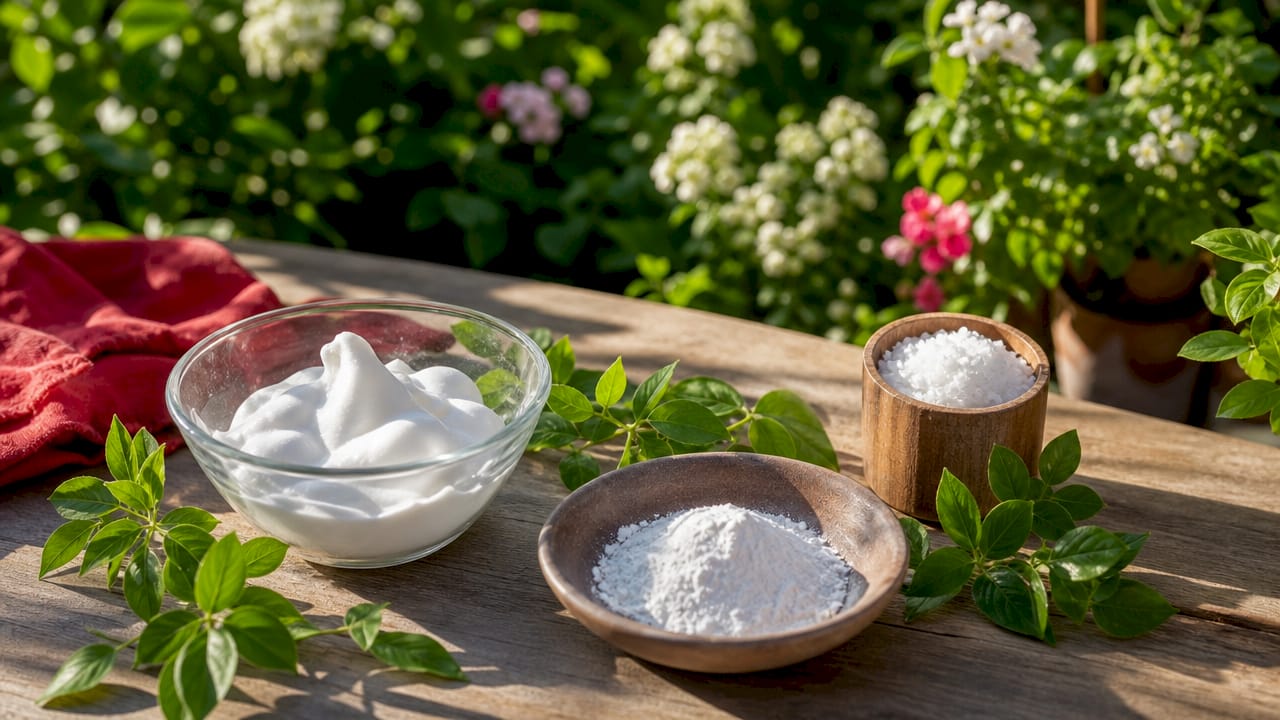
Pro Tip: When reviewing ingredient labels, look for “Decyl Glucoside,” “Lauryl Glucoside,” or “Sodium Cocoyl Glutamate” as indicators of a genuinely plant-derived foaming system. These names confirm APG or amino acid surfactant chemistry.
The combination of these ingredients produces a formulation that cleans effectively, foams adequately for consumer acceptance, and maintains a safety profile suitable for daily use in sensitive populations. The safe oral care ingredients used in this category represent a meaningful departure from conventional detergent-based oral care chemistry.
Why natural oral foam matters for sensitive mouths and eco-friendly care
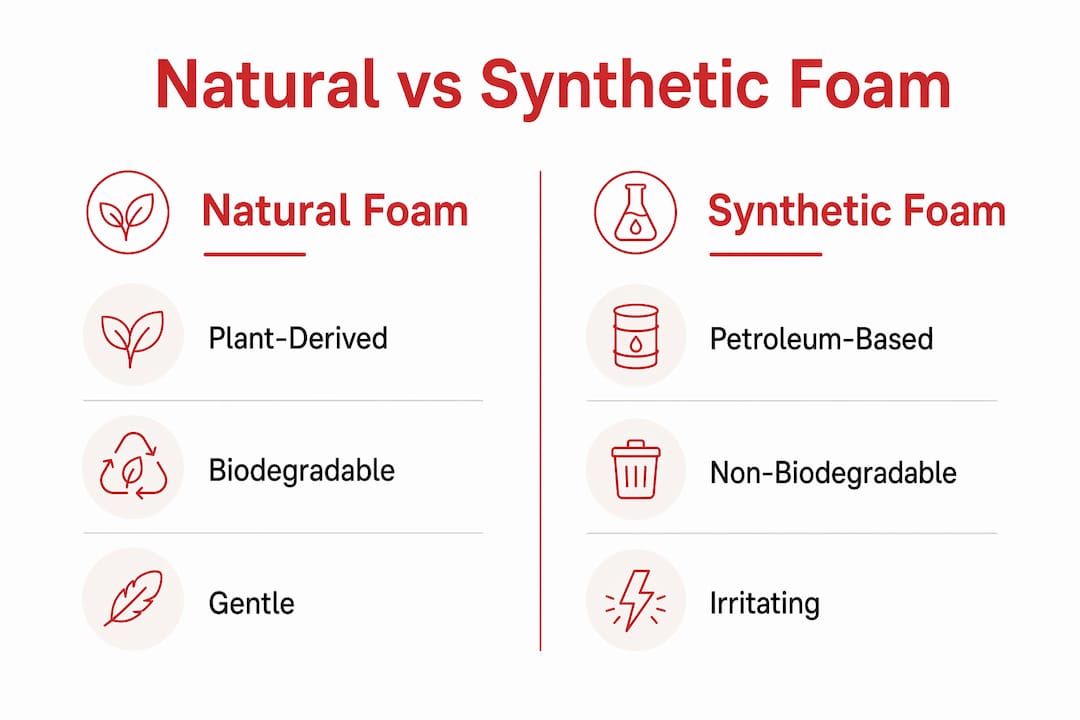
The clinical case for natural oral foam is grounded in well-documented adverse effects associated with SLS. SLS-containing products are linked to tissue desquamation, mucosal irritation, and increased incidence of aphthous ulcers (canker sores) in susceptible individuals. For patients with recurrent oral ulceration, inflammatory conditions, or orthodontic appliances, this irritation potential represents a clinically relevant concern.
The benefits of switching to natural oral foam extend across several dimensions:
- Reduced mucosal irritation. APGs and Sodium Cocoyl Glutamate produce significantly less tissue disruption than SLS, making them appropriate for individuals with sensitive oral mucosa or a history of canker sores.
- Improved saliva compatibility. Non-ionic and mildly anionic surfactants interact less aggressively with salivary proteins, preserving the protective functions of saliva during and after brushing.
- Xylitol-mediated antibacterial activity. Xylitol cannot be metabolized by Streptococcus mutans, the primary cariogenic bacterium, reducing plaque formation and supporting a balanced oral microbiome.
- Environmental sustainability. Plant-derived surfactants are biodegradable and sourced from renewable feedstocks, reducing the environmental burden associated with petrochemical surfactant production.
- Alignment with consumer demand. Market trends confirm growing preference for eco-friendly oral products formulated with biocompatible ingredients, reflecting a broader shift toward ingredient transparency in personal care.
“Industry formulators balance meeting consumer expectations for foaming with producing gentle, biocompatible products using renewable plant-based surfactants.” — BASF Care 360 formulation research
This convergence of clinical safety, environmental responsibility, and consumer preference positions natural oral foam as a substantive formulation advance rather than a marketing trend. For individuals managing sensitive oral tissues, the shift from SLS to plant-derived surfactants carries measurable clinical benefit.
How does natural oral foam compare to traditional foaming agents?
The performance comparison between natural and synthetic foaming agents addresses foam volume, stability, cleaning efficacy, and user sensory experience. These parameters are not equivalent in clinical significance, and conflating foam quantity with cleaning power represents a persistent misconception in consumer oral care.
| Parameter | Natural foaming agents (APGs, Sodium Cocoyl Glutamate) | Synthetic foaming agents (SLS) |
|---|---|---|
| Foam volume | Comparable to SLS in standardized testing | High foam volume, well established |
| Foam stability | Superior stability over time | Lower stability, foam collapses faster |
| Mucosal irritation | Significantly reduced | Higher irritation potential, linked to canker sores |
| Biodegradability | High, from renewable plant sources | Lower, petrochemical origin |
| Sensory profile | Smooth, dense, mild taste | Harsh taste possible, can affect flavor perception |
| Cleaning efficacy | Equivalent when combined with mechanical brushing | Equivalent when combined with mechanical brushing |
Foam volume influences consumer perception of product effectiveness but does not reflect actual cleaning power. Mechanical brushing action removes plaque biofilm; the surfactant system facilitates distribution of the formulation and suspension of dislodged particles. This distinction is clinically significant because it means a lower-foaming natural product is not a less effective product.
The sensory dimension of natural oral foam is also relevant to product adoption. APG-based formulations produce a dense, stable foam with a neutral to mildly sweet taste profile, which many users find preferable to the sharp, sometimes bitter sensation associated with SLS. This sensory advantage supports compliance, particularly in pediatric and sensitive-mouth populations.
Pro Tip: If you find that your current toothpaste leaves a bitter aftertaste or causes a burning sensation on the gums, SLS is the likely cause. Switching to an APG-based or Sodium Cocoyl Glutamate formulation typically resolves this within one to two weeks.
Foam swabs used in clinical settings demonstrate that foam alone does not replace the mechanical efficacy of brushing. This finding reinforces that the value of natural oral foam lies in its safety and biocompatibility, not in any claim that foam quantity drives hygiene outcomes.
Practical tips for choosing and using natural oral foam products
Selecting a natural oral foam product requires attention to ingredient labeling, active ingredient composition, and individual oral health needs. The following criteria support informed product selection:
- Verify surfactant identity. Confirm the presence of APGs (listed as Decyl Glucoside, Lauryl Glucoside, or Coco Glucoside) or Sodium Cocoyl Glutamate on the ingredient list. Absence of SLS or Sodium Laureth Sulfate (SLES) is a necessary but not sufficient indicator of a genuinely mild formulation.
- Prioritize clinically supported active ingredients. Products containing xylitol and hydroxyapatite provide enamel remineralization and antibacterial benefits that complement the foaming system’s cleaning function.
- Consider your sensitivity profile. Individuals with recurrent aphthous ulcers, gingival sensitivity, or inflammatory oral conditions benefit most from SLS-free formulations. The best practices for sensitive mouths in 2026 consistently recommend APG-based products as first-line options.
- Account for orthodontic appliances. Braces and aligners create additional surface area for biofilm accumulation. Mild surfactants are less likely to degrade adhesive bonds or irritate tissue around brackets. Consulting a braces hygiene guide specific to your appliance type provides additional guidance.
- Maintain mechanical hygiene. Natural oral foam is a delivery and distribution medium, not a standalone cleaning agent. Brushing for two minutes with correct technique remains the primary determinant of plaque removal efficacy.
- Evaluate product format. Natural foaming agents appear in toothpastes, mouthwashes, and oral sprays. Each format has distinct applications; mouthwashes and sprays are particularly useful for reaching areas that brushing alone does not address adequately.
For readers seeking a structured approach to product selection, the oral hygiene tips for 2026 published by Stop-oralcare provide a practical framework for integrating natural oral care products into a daily routine.
Key takeaways
Natural oral foam, formulated with APGs and Sodium Cocoyl Glutamate, delivers cleaning performance equivalent to SLS while substantially reducing mucosal irritation and environmental impact.
| Point | Details |
|---|---|
| Definition of natural oral foam | Plant-derived surfactants like APGs and Sodium Cocoyl Glutamate replace synthetic SLS in oral care products. |
| Performance equivalence | APGs produce comparable foam volume to SLS with superior stability, confirmed by standardized foam analyzer testing. |
| Clinical safety advantage | SLS is linked to mucosal irritation and canker sores; natural alternatives reduce this risk significantly. |
| Foam does not equal cleaning | Mechanical brushing drives plaque removal; surfactant foam distributes the formulation and suspends debris. |
| Ingredient selection criteria | Look for Decyl Glucoside, Lauryl Glucoside, or Sodium Cocoyl Glutamate combined with xylitol or hydroxyapatite. |
A formulator’s perspective on natural oral foam
The transition from SLS to plant-derived surfactants is not simply a response to consumer preference. It reflects a genuine recalibration of what oral care formulations are expected to do. For years, the foaming behavior of SLS set the sensory benchmark against which all oral care products were measured. Consumers equated abundant foam with thorough cleaning, and formulators optimized for that perception rather than for tissue compatibility.
What I have observed in practice is that patients who switch to APG-based or amino acid surfactant formulations report a marked reduction in gingival sensitivity within weeks. The absence of the sharp, detergent-like sensation that SLS produces is not a sign of reduced efficacy. It is evidence that the formulation is no longer disrupting the mucosal barrier.
The more challenging aspect of this transition is managing consumer expectations. A product that foams less than what someone has used for twenty years will initially feel inadequate, regardless of its clinical performance. Education is the only solution to that gap. When patients understand that foam volume is a sensory artifact rather than a cleaning mechanism, their acceptance of milder formulations increases substantially.
The integration of xylitol and hydroxyapatite alongside natural surfactants represents the most scientifically coherent approach to natural oral care currently available. These active ingredients address remineralization and microbial balance in ways that fluoride alternatives have historically struggled to match in consumer acceptance. The combination of a mild foaming system with these actives produces a formulation that is both clinically defensible and genuinely pleasant to use.
My recommendation for anyone evaluating natural oral foam products is to prioritize ingredient transparency over marketing claims. The ingredient list tells the complete story.
— Veronica
Explore natural oral care with Stop-oralcare
Stop-oralcare develops fluoride-free oral care products formulated with hemp and Dead Sea minerals, using plant-derived surfactant systems that align with the clinical and environmental standards described in this article.
The product line includes toothpastes, mouthwashes, and oral sprays that incorporate mild natural foaming agents alongside scientifically supported active ingredients. Each formulation reflects the same commitment to biocompatibility and ingredient transparency that defines the natural oral foam category. For individuals seeking effective oral care without the irritation risks associated with SLS, explore the full product range at Stop-oralcare and review the detailed ingredient documentation provided for each product.
FAQ
What is natural oral foam made from?
Natural oral foam is produced by plant-derived surfactants, primarily Alkyl Polyglucosides (APGs) sourced from coconut and corn, and amino acid surfactants like Sodium Cocoyl Glutamate derived from coconut fatty acids. These ingredients replace synthetic SLS in oral care formulations.
Does natural oral foam clean as effectively as SLS-based products?
Yes. APGs produce foam volume comparable to SLS with superior stability, and cleaning efficacy in both cases depends primarily on mechanical brushing action rather than surfactant type. A lower-foaming natural product is not a less effective product.
Who benefits most from natural oral hygiene foam?
Individuals with sensitive oral mucosa, recurrent canker sores, gingival inflammation, or orthodontic appliances benefit most from SLS-free natural foaming agents, as these surfactants significantly reduce mucosal irritation compared to conventional synthetic detergents.
Is natural oral foam better for the environment?
Plant-derived surfactants like APGs are biodegradable and sourced from renewable feedstocks, making them substantially more environmentally compatible than petrochemical-derived SLS. This supports the eco-friendly oral care claims associated with natural formulations.
How do I identify natural foaming agents on an ingredient label?
Look for Decyl Glucoside, Lauryl Glucoside, Coco Glucoside, or Sodium Cocoyl Glutamate on the ingredient list. The absence of Sodium Lauryl Sulfate or Sodium Laureth Sulfate confirms an SLS-free formulation.