

TL;DR:
- Recent research suggests natural bioactive compounds like polyphenols and cannabinoids may offer antimicrobial and anti-inflammatory benefits for oral health, challenging fluoride’s exclusive status. These ingredients can modulate the oral microbiome and support remineralization, but clinical evidence varies, and product formulation quality is critical. Natural oral care products should be chosen based on scientific validation, personalized risk assessment, and careful consideration of delivery methods for optimal effectiveness.
The assumption that fluoride is the only scientifically validated route to optimal oral health has persisted in both clinical practice and consumer marketing for decades. Yet a growing body of peer-reviewed research indicates that specific natural bioactive compounds, including polyphenols, cannabinoids, and mineral-based agents, exert measurable antimicrobial, anti-inflammatory, and remineralizing effects on oral tissues. This article examines the mechanistic basis for these effects, evaluates the clinical evidence comparing fluoride-free strategies to conventional fluoride formulations, and provides a structured framework for integrating natural oral care products into evidence-informed routines.
Table of Contents
- How do natural compounds influence oral hygiene?
- How do fluoride-free natural alternatives compare to traditional fluoride?
- Spotlight on innovative natural ingredients: hemp, Dead Sea minerals, and more
- Practical tips for choosing and using natural oral care products
- What most guides miss about natural oral care
- Discover truly effective natural oral care solutions
- Frequently asked questions
Key Takeaways
| Point | Details |
|---|---|
| Natural compounds modulate biofilm | Phytochemicals and minerals help support oral microbiome balance and reduce inflammation. |
| Evidence supports select alternatives | Some fluoride-free ingredients like hydroxyapatite or CBD show benefits, but evidence varies by formulation and use. |
| Choose products wisely | Not all ‘natural’ products are equal; prioritize evidence-backed actives and check for clinical trial support. |
| Habits matter most | Proper brushing, diet, and consistent routines are key to healthy teeth—natural products work best as part of a holistic approach. |
How do natural compounds influence oral hygiene?
Let’s start by understanding exactly how natural compounds interact with your mouth on a microbial level. The oral cavity hosts one of the most complex microbial ecosystems in the human body. The oral microbiome, comprising over 700 characterized species of bacteria, fungi, and viruses, exists primarily within structured communities known as biofilms. Dental plaque is the most clinically significant biofilm, serving as the primary etiological agent in both dental caries and periodontal disease. Disrupting or modulating this biofilm, rather than eliminating it entirely, is now recognized as a more physiologically sound therapeutic objective.
Natural bioactive compounds engage this system through several distinct biochemical mechanisms. Natural compounds contribute to oral hygiene primarily by modulating the oral microbiome and biofilm through antimicrobial, anti-inflammatory, and antioxidant effects. These three pathways are not mutually exclusive; rather, they operate synergistically across the phases of biofilm formation and host inflammatory response.
The primary phytochemical classes relevant to oral health include:
- Polyphenols (e.g., epigallocatechin gallate from green tea, resveratrol, curcumin): These compounds inhibit bacterial adhesion to tooth surfaces, suppress virulence factors in Streptococcus mutans, and modulate NF-κB signaling pathways involved in gingival inflammation.
- Terpenoids (e.g., thymol, carvacrol, eucalyptol): Primarily responsible for disrupting bacterial cell membranes, terpenoids demonstrate broad-spectrum antimicrobial activity at concentrations achievable in oral rinse formulations.
- Saponins and alkaloids: These agents interfere with biofilm matrix formation and exhibit antifungal activity relevant to managing Candida albicans overgrowth in immunocompromised individuals.
- Cannabinoids (e.g., cannabidiol, cannabigerol): Emerging evidence suggests these compounds modulate endocannabinoid receptors in periodontal tissues, suppressing pro-inflammatory cytokine production in gingival fibroblasts.
“Phytochemicals targeting multiple microbial and inflammatory pathways simultaneously may offer advantages over single-mechanism antimicrobial agents, particularly in complex polymicrobial environments such as subgingival plaque.” — Synthesized from current peer-reviewed literature on oral microbiome modulation.
Understanding how natural actives in mouthwash interact with these pathways is particularly relevant when selecting rinse formulations, as delivery vehicle and contact time significantly determine clinical outcomes. Additionally, interest in eco-friendly oral care formats has driven reformulation efforts toward waterless and concentrated systems that preserve active compound stability.
How do fluoride-free natural alternatives compare to traditional fluoride?
Understanding the effects of ingredients is key, but how do natural options truly stack up against fluoride when it comes to protecting your teeth? This question requires distinguishing between laboratory-based remineralization studies and real-world clinical caries prevention trials, as these settings produce fundamentally different types of evidence.
Fluoride’s mechanism of action centers on the conversion of hydroxyapatite to fluorapatite, a crystalline structure more resistant to acid dissolution. In vivo, this process reduces demineralization rates in acidogenic environments. However, in vivo clinical evidence for fluoride-free toothpaste strategies exists, and performance depends substantially on which non-fluoride active ingredient is used and on overall caries-risk factors in the study population.
Several non-fluoride actives have received increasing clinical attention:
| Ingredient | Mechanism | Clinical evidence level | Key limitation |
|---|---|---|---|
| Hydroxyapatite (nano) | Mineral substrate replacement, occludes dentinal tubules | Moderate (RCTs available) | Long-term caries data limited |
| Dead Sea minerals | Broad mineral replenishment, antimicrobial ion activity | Preliminary | Small-scale studies only |
| CBD/Cannabinoids | Anti-inflammatory, immunomodulatory | Early phase pilot trials | Heterogeneous study designs |
| Polyphenol extracts | Biofilm disruption, antioxidant | Lab-to-clinical translation mixed | Bioavailability variability |
| Xylitol | Anti-S. mutans fermentation substrate | Established adjunct evidence | Not a remineralizing agent |
It is important to note that fluoride-free remineralization using mineral-based and certain herbal or natural approaches can show measurable benefit in controlled laboratory settings, but these results do not directly correspond to long-term clinical caries-prevention benchmarks used in population-level trials. This distinction matters for setting appropriate clinical expectations.
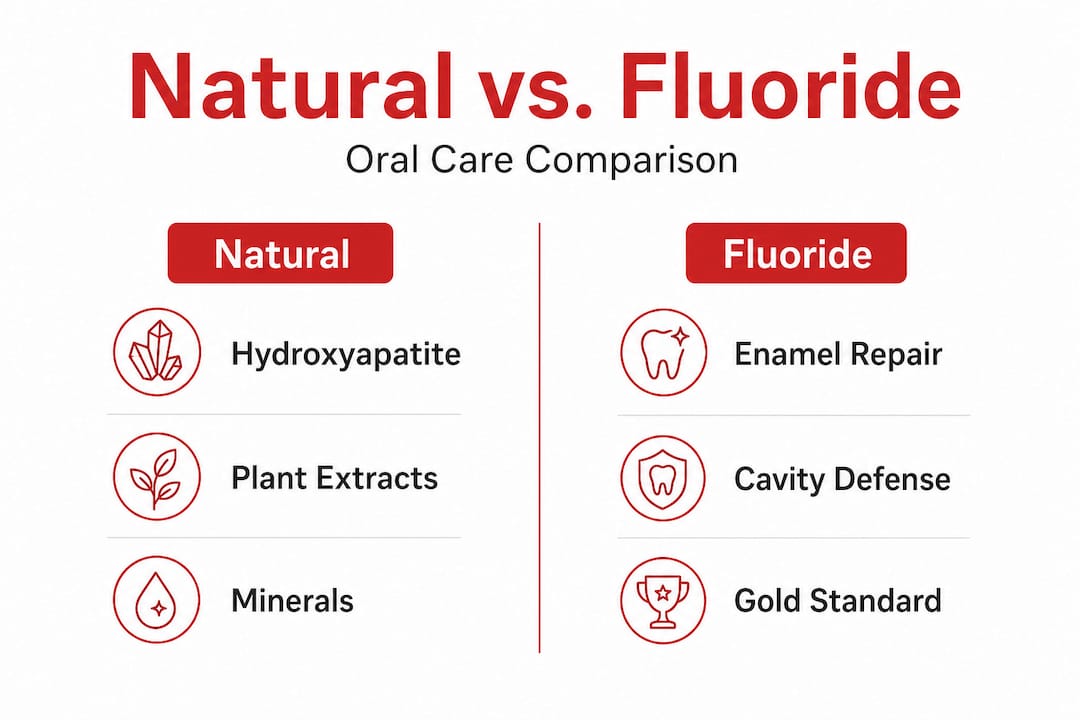
The fluoride-free oral care guide provides additional context on interpreting these findings in a practical consumer setting, while a review of natural alternatives to fluoride outlines the regulatory and formulation considerations relevant to product selection.
Pro Tip: When evaluating fluoride-free products, prioritize those that have published study data on clinically validated endpoints, such as plaque index scores, bleeding on probing, or DMFS (decayed, missing, filled surfaces) scores, rather than relying solely on in vitro remineralization claims. The distinction between laboratory and clinical evidence is the most commonly overlooked factor in consumer product decisions.
Spotlight on innovative natural ingredients: hemp, Dead Sea minerals, and more
Beyond basics like hydroxyapatite, let’s explore innovative ingredients making waves in oral care today. Two compounds currently receiving considerable research attention are cannabidiol (CBD), derived from hemp (Cannabis sativa), and mineral complexes sourced from the Dead Sea. Each presents a distinct mechanistic profile and a corresponding evidence base.
Cannabidiol (CBD) and hemp-derived cannabinoids
CBD interacts with the endocannabinoid system (ECS) via CB1 and CB2 receptors, both of which are expressed in periodontal ligament cells, gingival fibroblasts, and alveolar bone-forming osteoblasts. This receptor distribution suggests a biologically plausible role in modulating periodontal inflammation. CBD and complementary natural compounds have emerging, small-scale clinical evidence for oral inflammatory endpoints, including gingivitis indices, though the evidence remains preliminary and heterogeneous across study populations and formulations.
Dead Sea minerals
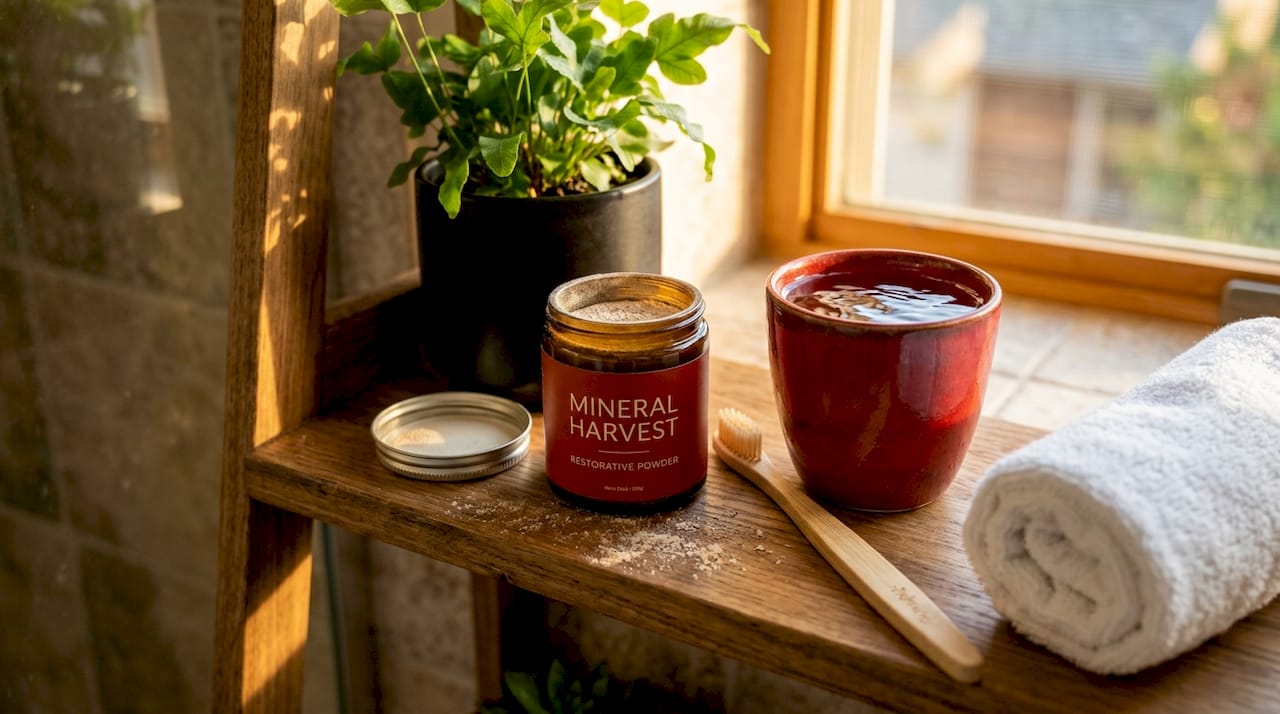
The Dead Sea mineral complex contains unusually high concentrations of magnesium, potassium, calcium, bromide, and zinc, elements that are known to participate in enamel mineralization and soft tissue healing. Magnesium, for instance, competes with calcium during hydroxyapatite crystal formation, influencing enamel structure and solubility. Zinc demonstrates well-characterized antiplaque and antigingivitis activity through sulfide inhibition and bacterial enzyme disruption.
| Ingredient | Clinical endpoints studied | Observed effects | Evidence maturity |
|---|---|---|---|
| CBD (cannabidiol) | Gingival inflammation index, plaque scores | Reduced gingivitis markers in pilot trials | Preliminary |
| Dead Sea magnesium | Enamel mineral content, tissue healing | Supportive in small controlled studies | Emerging |
| Dead Sea zinc | Plaque inhibition, breath odor | Established for zinc broadly; Dead Sea-specific data limited | Mixed |
| Hemp seed oil | Soft tissue inflammation | Omega-3/6 ratio supports anti-inflammatory signaling | Early stage |
Additional benefits observed across hemp-based oral care include:
- Reduction in salivary pro-inflammatory cytokine levels (IL-6, TNF-alpha) in small pilot cohorts
- Suppression of P. gingivalis virulence factors in in vitro models
- Potential synergy with zinc ions in disrupting anaerobic bacterial metabolism
Understanding the detailed mechanistic profile of CBD for gum disease treatment illustrates how these compounds may function as adjunct anti-inflammatory agents rather than primary antimicrobial treatments.
Pro Tip: When purchasing hemp-based or Dead Sea mineral oral care products, look for third-party certificates of analysis (CoAs) confirming cannabinoid concentration and heavy metal screening. Quality control in this product category varies considerably, and formulations without verifiable CoAs should be approached with caution.
Practical tips for choosing and using natural oral care products
With these ingredients rising in popularity, here’s how you can smartly navigate the natural oral care aisle for safer, more effective results. The selection and integration of natural oral care products requires a structured approach grounded in individual oral health risk assessment.
Who should consider fluoride-free or natural options?
Natural and fluoride-free products are most appropriate for individuals who:
- Prefer to minimize synthetic chemical exposure for health or environmental reasons
- Are managing mild to moderate gingivitis or plaque accumulation as a primary concern
- Already demonstrate low caries susceptibility based on professional assessment
- Seek adjunct products to complement an existing, dentist-approved oral hygiene protocol
They require more careful evaluation for individuals with diagnosed active caries, moderate to high caries risk profiles, or systemic conditions affecting salivary gland function, as saliva flow is a critical natural defense factor in caries prevention.
Stepwise approach to integrating natural products
- Schedule a professional oral health assessment to establish your current caries and periodontal risk classification.
- Identify the specific oral health goal (e.g., reduced gingival inflammation, plaque control, remineralization support) the natural product is intended to address.
- Select products with published or peer-reviewed evidence supporting that specific endpoint, not general claims.
- Introduce one new product at a time over a two-to-four-week period to monitor tolerability and any changes in sensitivity.
- Reassess oral health outcomes at your next professional appointment, using objective measures such as plaque and bleeding scores.
- Maintain consistent mechanical hygiene practices (brushing technique, interdental cleaning frequency) as the primary driver of biofilm disruption.
Ingredients to prioritize and those to scrutinize:
The concept of mechanistic fit is critical here. Natural compounds may work most effectively as adjuncts targeting biofilm dynamics and inflammation, rather than as direct substitutes for fluoride in every caries-risk context. Seek products containing nano-hydroxyapatite, zinc compounds, xylitol, or standardized herbal extracts with documented clinical evidence. Approach broad claims of “complete cavity protection” in fluoride-free products with appropriate skepticism absent clinical data.
For a structured review of formulation choices, the fluoride-free dental hygiene guide and natural dental care workflow resources provide protocol-level detail for both clinical and home settings.
What most guides miss about natural oral care
Most discussions of natural oral care focus almost entirely on ingredient lists. This singular focus on active compounds systematically underestimates the role of delivery variables, patient compliance, and underlying host factors in determining clinical outcomes.
Even within peer-reviewed literature, oral microbiome outcomes are recognized as formulation- and protocol-dependent, with dose, delivery vehicle, contact time, and compliance all exerting independent effects on the efficacy of any given product. A well-formulated hemp-based mouthwash that remains in contact with gingival tissues for thirty seconds produces a fundamentally different biological response than the same product used for five seconds and immediately expelled. This protocol sensitivity is rarely communicated to consumers.
Similarly, the oral microbiome demonstrates considerable resilience and individual variation. Two individuals using identical products may show divergent responses due to differences in salivary buffering capacity, immune status, dietary acid load, and pre-existing microbiome composition. This biological variability does not invalidate natural approaches; rather, it underscores why personalized protocol design, ideally developed in consultation with a dental professional, produces more reliable results than product substitution alone.
Natural compounds function most reliably as allies within a holistic oral health framework. They do not override poor mechanical hygiene. They do not compensate for high-frequency sugar exposure. However, as adjunct agents, particularly for managing gingival inflammation and supporting a balanced oral microbiome, they represent a scientifically grounded, clinically meaningful contribution to oral health. The key is accurate expectation-setting, not categorical rejection or uncritical acceptance. Reviewing chemical-free oral products with these nuances in mind allows for more discerning product selection.
Discover truly effective natural oral care solutions
The research outlined in this article points toward one practical conclusion: the quality and composition of a natural oral care product matters as much as the category it belongs to. Formulation precision, transparent ingredient sourcing, and alignment with evidence-based clinical endpoints separate science-backed products from marketing-driven ones.
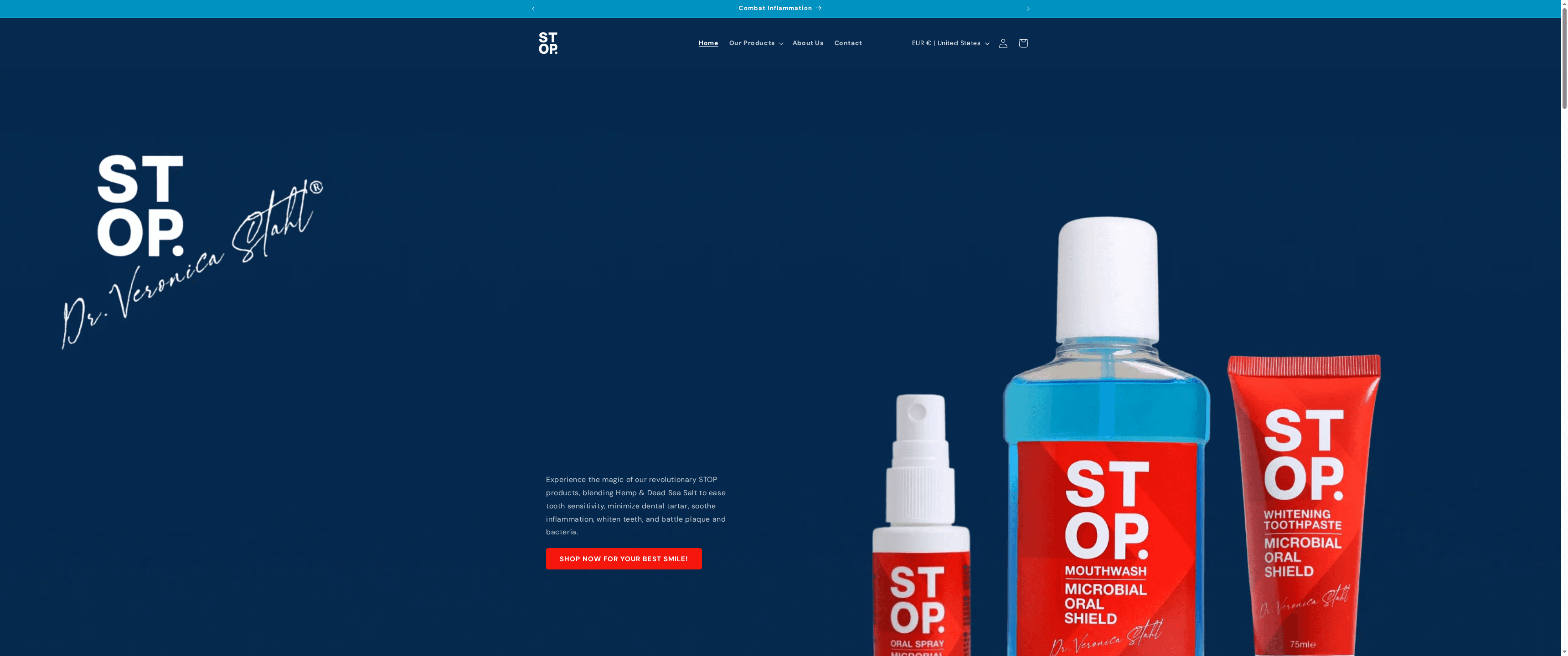
Stop Oral Care offers a curated line of fluoride-free oral health products formulated with hemp and Dead Sea minerals, developed under the scientific leadership of Dr. Veronica Stahl. Each product reflects the mechanistic principles reviewed in this article, targeting biofilm modulation, gingival inflammation, and mineral support through verified natural actives. For health-conscious individuals seeking oral care solutions grounded in documented safety and scientific rationale, this product line represents a logical, evidence-informed starting point for transitioning to natural oral care.
Frequently asked questions
Are natural compounds as effective as fluoride for preventing cavities?
Many natural actives show meaningful promise in controlled studies, but fluoride remains the clinical gold standard for caries prevention according to current evidence. Fluoride-free natural-product claims frequently lean on in vitro remineralization or short-term study data, which should be interpreted cautiously against the clinical caries endpoints used in long-term prevention trials.
Which natural ingredients have the best evidence for oral health benefits?
Hydroxyapatite, select herbal polyphenol extracts, and cannabinoids carry the most developed emerging support, though effectiveness depends on formulation and consistent usage. A systematic review of hydroxyapatite and other actives examined caries-focused outcomes in direct clinical comparison with fluoride toothpaste, finding favorable but context-dependent results.
Can I switch to fluoride-free care if I have a high risk of cavities?
Professional guidance is essential before switching if your cavity risk is classified as moderate to high, as not all fluoride-free products provide equivalent protection. Natural compounds work best as adjuncts targeting biofilm and inflammation rather than as direct fluoride substitutes in high-caries-risk contexts.
Are there safety concerns with using hemp or Dead Sea minerals in oral care?
Current evidence indicates these ingredients are generally well-tolerated in published study populations, but evidence remains early-stage and product quality standards vary significantly by manufacturer. CBD and complementary natural compounds have preliminary clinical evidence for oral endpoints, but more standardized, large-scale trials are needed before definitive safety and efficacy conclusions can be drawn.
Recommended
- Natural oral health benefits: fluoride-free care guide – Stop Oral Care
- How botanicals enhance fluoride-free toothpaste benefits – Stop Oral Care
- Top natural oral ingredients for healthier teeth and gums – Stop Oral Care
- Oral care ingredients guide: safe, natural solutions explained – Stop Oral Care