

TL;DR:
- Science-led dentistry, based on clinical research and validated practices, ensures safe and effective oral health outcomes.
- Despite its benefits, many dental professionals lack sufficient training and confidence to adopt evidence-based dentistry routinely.
Science-led dentistry is dental care rooted in clinical research and validated practices that produce safe, effective, and predictable oral health outcomes. The formal industry term for this approach is evidence-based dentistry (EBD), a framework endorsed by the American Dental Association and adopted across clinical guidelines worldwide. Why science-led dentistry matters becomes clear when you consider the alternative: treatments selected by habit, tradition, or marketing rather than clinical proof. This article explains the EBD framework, the materials and technologies it has produced, and why choosing scientifically supported products protects your oral health in ways that anecdotal recommendations simply cannot.
What is evidence-based dentistry and how does it guide clinical decisions?
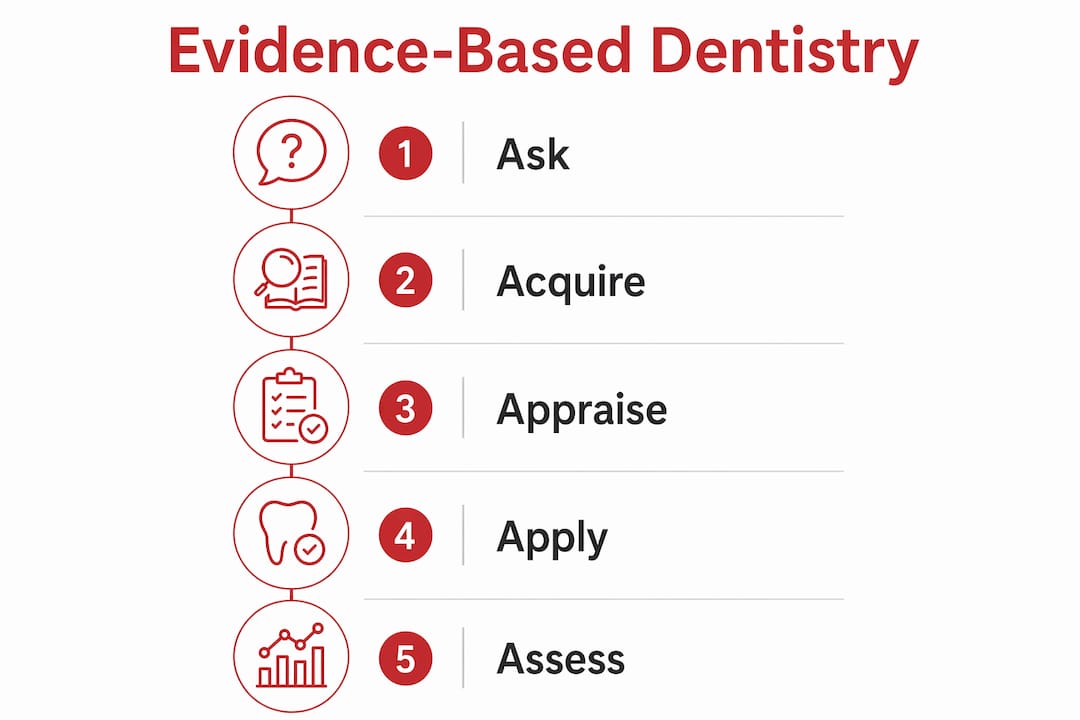
Evidence-based dentistry is defined as the integration of the best available scientific evidence with clinical expertise and patient values to guide dental treatment decisions. This definition, outlined in the five-step EBD process, separates modern clinical dentistry from approaches based on tradition or anecdote alone.
The five steps work as follows:
- Ask a structured clinical question about a patient’s condition or treatment option.
- Acquire the best available evidence from peer-reviewed literature, systematic reviews, or clinical guidelines.
- Appraise that evidence critically for validity, relevance, and applicability.
- Apply the findings to the specific patient, integrating clinical expertise and patient preferences.
- Assess the outcome after treatment to refine future decisions.
This process does not replace clinical judgment. It structures it. A dentist using EBD still weighs a patient’s medical history, comfort level, and personal goals alongside the published science. The result is a treatment plan that is both clinically defensible and individually appropriate.
Adoption of EBD is not universal, however. Insufficient training is cited by 61.6% of dental professionals as a barrier to routine EBD use, and 59.4% report a lack of confidence in interpreting research. These figures reveal a significant gap between the availability of clinical evidence and its application at the chair. Closing that gap requires both education and institutional support within dental training programs.
Pro Tip: When consulting a dentist, ask whether a recommended treatment is supported by systematic review evidence or clinical guidelines. A clinician practicing EBD will be able to answer that question directly.
How are scientific innovations transforming dental materials and treatments?
Scientific research has produced a generation of dental materials and clinical techniques that outperform their predecessors on measurable outcomes. The shift is most visible in two areas: the materials used to restore and protect teeth, and the procedures used to treat disease with minimal tissue removal.
Bioactive and ion-releasing materials
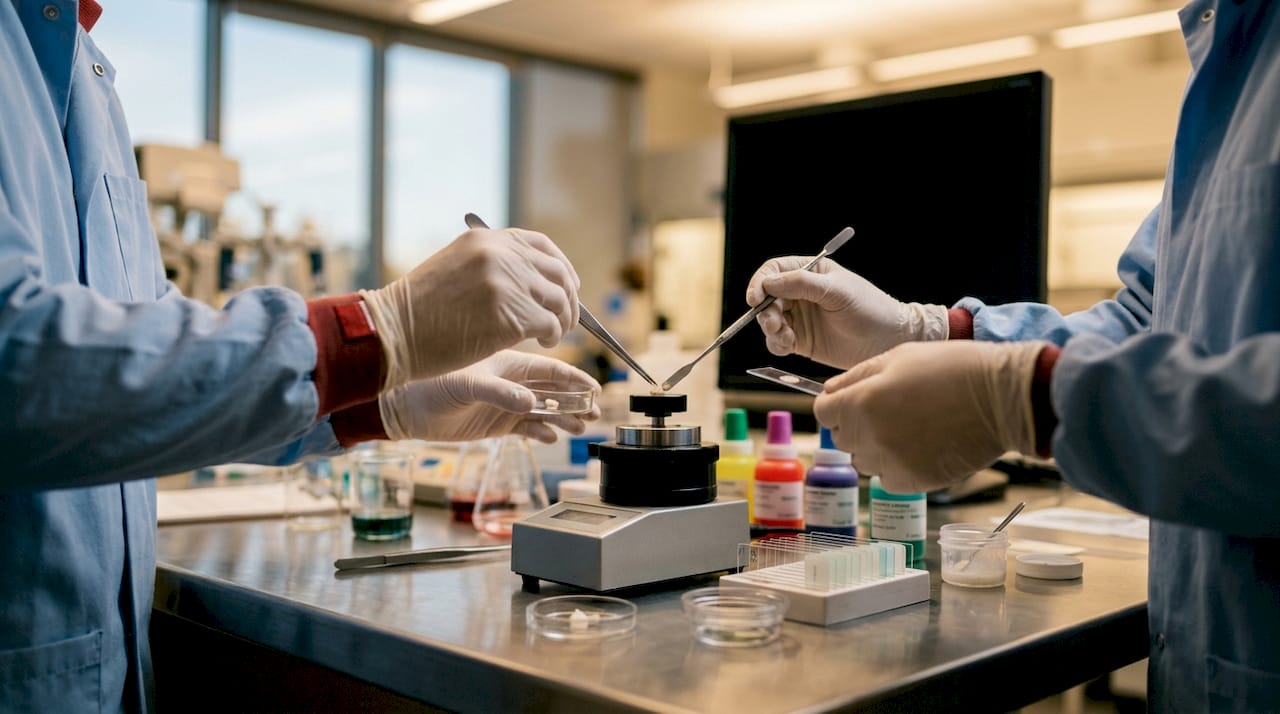
Bioactive and ion-releasing dental materials promote remineralization by releasing calcium, phosphate, and fluoride ions into the surrounding tooth structure. This mechanism actively supports the tooth’s natural repair process rather than simply filling a cavity. These materials align directly with minimally invasive dentistry goals because they reduce the need for aggressive preparation of healthy tooth structure.
Long-term clinical trial data on some of these materials remains limited. A scientifically grounded approach acknowledges that limitation and applies an evidence-aware but pragmatic standard. Many widely accepted clinical practices lack the highest level of randomized controlled trial validation yet demonstrate consistent results in practice. The key is transparency about what the evidence does and does not confirm.
Minimally invasive procedures and digital diagnostics
Minimally invasive dentistry, supported by clinical trials and endorsed in WHO guidelines on environmentally friendly oral health care, prioritizes preserving natural tooth structure over aggressive intervention. WHO guidelines also call for mercury-free materials and reduced environmental impact from dental practice. These are not optional preferences. They represent a global clinical standard backed by public health research.
Digital diagnostic tools, including intraoral scanners and AI-assisted caries detection software, improve the accuracy of early disease identification. Earlier detection means less invasive treatment and better long-term outcomes for patients.
Pro Tip: Ask your dental provider whether they use digital diagnostics for early caries detection. Earlier identification reduces the likelihood of needing crowns or extractions later.
| Advancement | Clinical benefit | Evidence basis |
|---|---|---|
| Bioactive ion-releasing materials | Promotes remineralization | Mechanistic and clinical studies |
| Minimally invasive techniques | Preserves natural tooth structure | WHO guidelines and clinical trials |
| AI-assisted caries detection | Earlier, more accurate diagnosis | Emerging clinical validation |
| Mercury-free restorative materials | Reduced environmental and patient risk | WHO and regulatory frameworks |
Why does trust in science-backed dental products matter for consumers?
Consumer trust in oral care products is shifting. Patients are moving away from influencer-led recommendations and toward products supported by credible dental science and independent clinical testing. This recalibration reflects a broader recognition that social media endorsements carry no clinical accountability.
The risks of influencer-driven oral care are concrete. Products promoted without clinical validation may contain ingredients at concentrations that irritate oral tissues, disrupt the oral microbiome, or interact with existing dental restorations. No amount of aesthetic packaging or celebrity endorsement substitutes for independent laboratory testing.
Clinically tested products regulated under frameworks such as Medical Device Regulation (MDR) provide verifiable safety and performance data. That regulatory structure gives patients a basis for confidence that goes beyond brand claims. When a product has passed independent testing, its safety profile is documented and auditable.
Consumers can apply the following criteria when evaluating oral care products:
- Clinical testing documentation: Has the product been tested in a laboratory or clinical setting, with results available for review?
- Regulatory compliance: Does the product meet the standards of a recognized regulatory framework such as MDR or equivalent national standards?
- Ingredient transparency: Are all active ingredients listed with their concentrations and their documented mechanisms of action?
- Professional endorsement: Is the product recommended by licensed dental professionals based on clinical rationale rather than commercial arrangement?
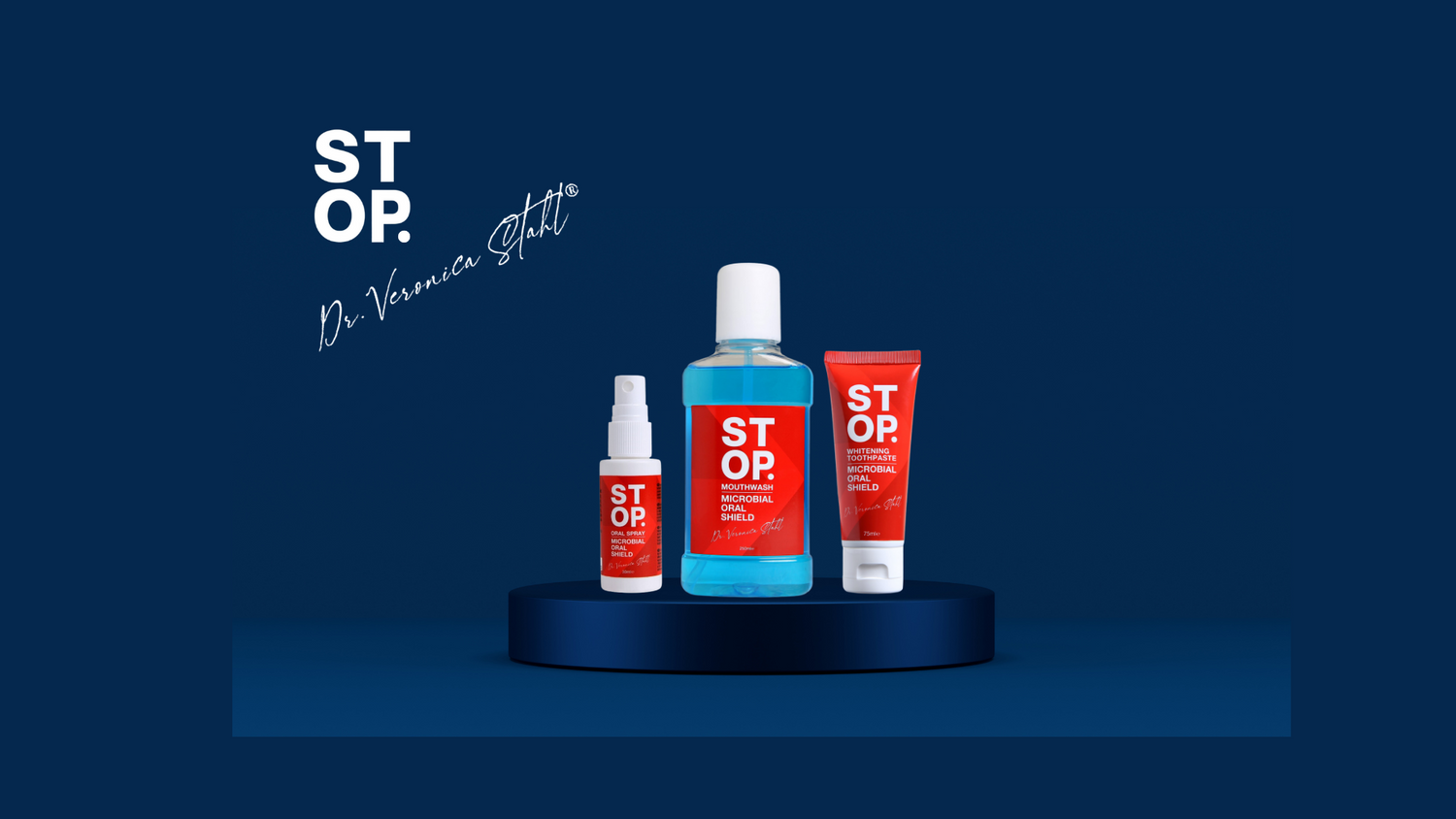
Stop-oralcare applies these criteria to its product line, which is formulated with hemp and Dead Sea minerals and developed under the direction of Dr. Veronica Stahl. Understanding lab-tested oral care standards helps consumers distinguish products with genuine scientific backing from those relying solely on marketing claims.
How do patients benefit from science-led dentistry in everyday care?
The benefits of evidence-based dentistry are not abstract. They show up in measurable clinical outcomes and in the day-to-day experience of receiving dental care.
-
Earlier detection of oral disease. Evidence-based diagnostic protocols identify caries, periodontal disease, and oral lesions at earlier stages. Earlier detection consistently correlates with less invasive and less costly treatment.
-
Preservation of natural teeth. Minimally invasive protocols guided by clinical evidence remove only diseased tissue. Patients retain more natural tooth structure, which improves long-term dental function and reduces the need for prosthetic replacement.
-
Expanded roles for dental hygienists. Evidence-based caries care expands the clinical contribution of hygienists and therapists, who can identify early lesions and apply preventive treatments within evidence-based protocols. This creates a more efficient care model that benefits the entire practice team and the patient.
-
Shared decision-making. EBD frameworks require clinicians to integrate patient preferences alongside clinical evidence. That requirement produces a more transparent conversation between patient and provider, where treatment options are explained with reference to their evidence base rather than presented as the only available choice.
-
Reduced treatment burden over time. Patients who receive care grounded in prevention and early intervention require fewer restorative procedures. The clinical and business case for minimally invasive, evidence-supported dentistry is well established across both individual practices and public health systems.
The expanding role of dental hygiene teams is particularly significant. As evidence-based protocols become standard, hygienists contribute directly to treatment planning and preventive care, not just cleaning. That shift improves outcomes at scale.
Key takeaways
Science-led dentistry, formalized as evidence-based dentistry, produces better oral health outcomes by grounding every clinical decision in validated research, regulatory-compliant materials, and patient-centered care.
| Point | Details |
|---|---|
| EBD follows a five-step process | Ask, Acquire, Appraise, Apply, and Assess structure every evidence-based clinical decision. |
| Training gaps limit EBD adoption | 61.6% of dental professionals cite insufficient training as the primary barrier to routine EBD use. |
| Bioactive materials support remineralization | Ion-releasing materials actively repair tooth structure, reducing the need for aggressive restoration. |
| Consumer trust requires clinical proof | Regulatory frameworks like MDR and independent lab testing provide verifiable product safety data. |
| Patients gain measurable benefits | Earlier detection, preserved teeth, and shared decision-making are direct outcomes of evidence-based care. |
Science, practice, and the gap I see most often
As someone who works at the intersection of dentistry and natural medicine, I find the most persistent challenge is not a lack of evidence. The evidence base for modern dental care is substantial and growing. The challenge is the gap between what research confirms and what actually happens in clinical practice.
Clinicians sometimes experience what researchers call a crisis of utility in evidence-based practice. The research exists, but applying it requires time, training, and institutional support that many practices lack. I have seen this firsthand. A dentist who trained before digital diagnostics became standard may not adopt AI-assisted caries detection simply because no one has provided the training or the clinical rationale in accessible terms.
The future of science-led dentistry depends on closing that gap through leadership and education, not just publication of new findings. Dynamic AI-based evidence systems that deliver synthesized research at the point of care represent the most promising structural solution. Traditional systematic reviews take an average of 67 weeks to produce and are outdated within 5.5 years. Real-time evidence retrieval changes that equation entirely.
For consumers, my advice is direct: prioritize providers and products that can explain their scientific rationale. A dental professional practicing evidence-based care will welcome that question. A product brand with genuine clinical backing will publish its testing data. Demand both.
— Veronica
Science-backed oral care from Stop-oralcare
Choosing oral care products with genuine scientific backing is a direct extension of the principles covered here. Stop-oralcare develops its product line, including fluoride-free toothpaste, mouthwash, and oral sprays formulated with hemp and Dead Sea minerals, under the clinical direction of Dr. Veronica Stahl. Each formulation reflects a commitment to ingredient transparency and safety standards consistent with evidence-based oral health practice.
Patients who want to understand the science behind their daily oral care routine can review Stop-oralcare’s evidence-based oral hygiene guide and explore the dental product safety standards that inform each product in the range. The full product catalog is available at stop-oralcare.com.
FAQ
What is evidence-based dentistry?
Evidence-based dentistry is the integration of the best available clinical research with professional expertise and patient preferences to guide dental treatment decisions. The American Dental Association recognizes it as the standard framework for clinical decision-making in modern dentistry.
Why does science-led dentistry produce better outcomes?
Science-led dentistry produces better outcomes because it bases treatment selection on validated clinical evidence rather than habit or anecdote. Patients receive earlier diagnoses, less invasive procedures, and treatments with documented safety and efficacy profiles.
How can I tell if an oral care product is scientifically backed?
A scientifically backed oral care product will have independent laboratory testing documentation, regulatory compliance with frameworks such as MDR, and full ingredient transparency with documented mechanisms of action. Products that rely solely on influencer endorsements without published testing data do not meet this standard.
What are the main barriers to evidence-based dentistry adoption?
Insufficient training and lack of confidence in interpreting research are the two primary barriers, cited by 61.6% and 59.4% of dental professionals respectively. Addressing these barriers requires structured education and institutional commitment within dental training programs.
What is reverse evidence-based dentistry?
Reverse evidence-based dentistry is a framework in which clinicians use structured clinical observations to generate research questions, bridging the gap between in-chair experience and formal scientific evidence. It complements standard EBD by ensuring that real-world clinical patterns inform future research priorities.