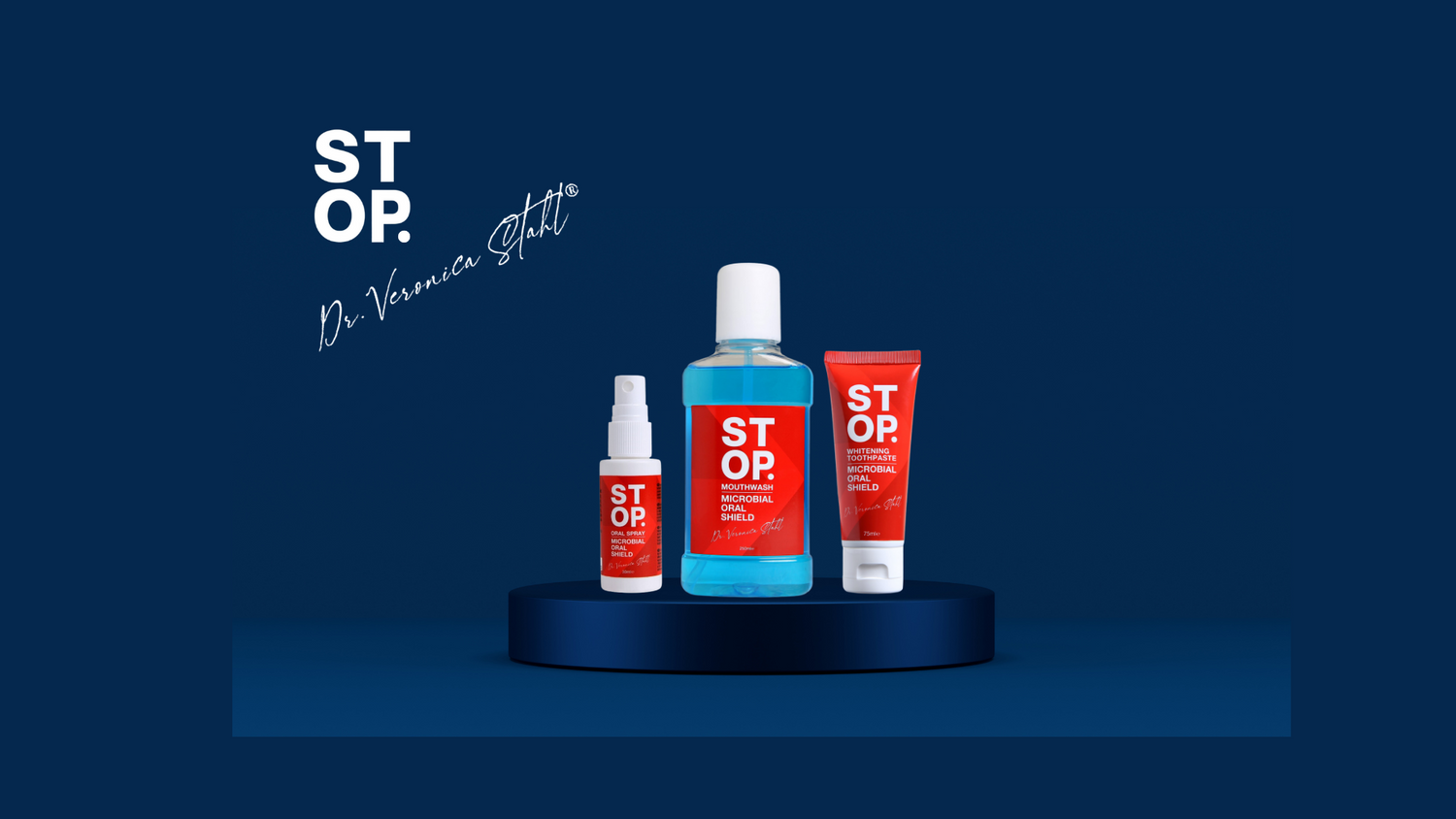


Many believe antioxidants can fully replace fluoride in oral care—but the science tells a more nuanced story. While antioxidants reduce oxidative stress and inflammation in your mouth, they work alongside fluoride rather than replacing it. This article unpacks the biochemical mechanisms, clinical evidence, and natural product options to help you make informed choices about integrating antioxidants into your routine safely and effectively.
Table of Contents
- Understanding Oxidative Stress In Oral Health
- How Antioxidants Protect Oral Health: Biochemical Mechanisms
- Antioxidants Vs Bacterial Biofilms And Plaque Formation
- Clinical Evidence Of Antioxidants Improving Gum Health
- Natural Antioxidants In Innovative Oral Care Formulations
- Common Misconceptions About Antioxidants Vs Fluoride In Oral Care
- Practical Considerations And Safety In Antioxidant Oral Care Use
- Summary And Next Steps For Integrating Antioxidants Into Oral Care Routine
- Explore Natural Antioxidant Oral Care Solutions
Key Takeaways
| Point | Details |
|---|---|
| Oxidative stress reduction | Antioxidants neutralize reactive oxygen species, decreasing gum tissue damage by up to 40%. |
| Biofilm disruption | Polyphenolic antioxidants inhibit bacterial adhesion, reducing plaque buildup by 30 to 50%. |
| Complementary role | Fluoride remains essential for cavity prevention while antioxidants enhance gum health. |
| Natural ingredients | Hemp extracts and Dead Sea minerals provide proven antioxidant benefits in fluoride-free formulations. |
| Safe selection matters | Proper product choice and usage prevent irritation and maximize oral health benefits. |
Understanding Oxidative Stress in Oral Health
Your mouth constantly battles oxidative stress caused by reactive oxygen species (ROS) from bacteria, inflammation, and dietary factors. These unstable molecules attack healthy gum tissue and tooth structures, triggering cellular damage that accelerates disease progression. When ROS levels overwhelm your body’s natural defenses, the resulting oxidative stress creates an environment where oral diseases thrive.
Research shows elevated ROS levels increase periodontal tissue damage by up to 40% compared to healthy gums. This damage manifests as bleeding, recession, and bone loss that traditional brushing alone cannot address. Understanding this biochemical foundation helps you see why antioxidants matter for comprehensive oral health beyond simple plaque removal.
Key oral conditions linked to oxidative stress include:
- Gingivitis with persistent inflammation and bleeding
- Chronic periodontitis leading to tissue destruction
- Dental caries from weakened enamel defenses
- Oral mucosal lesions and slow wound healing
- Halitosis caused by bacterial metabolic byproducts
Addressing oxidative stress requires more than mechanical cleaning. You need active ingredients that neutralize ROS at the molecular level, protecting your tissues from ongoing biochemical assault while supporting natural healing processes.
How Antioxidants Protect Oral Health: Biochemical Mechanisms
Antioxidants work by donating electrons to unstable ROS molecules, neutralizing them before they damage cellular membranes, proteins, and DNA in your oral tissues. This electron transfer stops the chain reaction of oxidative damage that would otherwise spread through healthy cells. By maintaining this protective shield, antioxidants preserve tissue integrity and reduce your risk of inflammatory diseases.
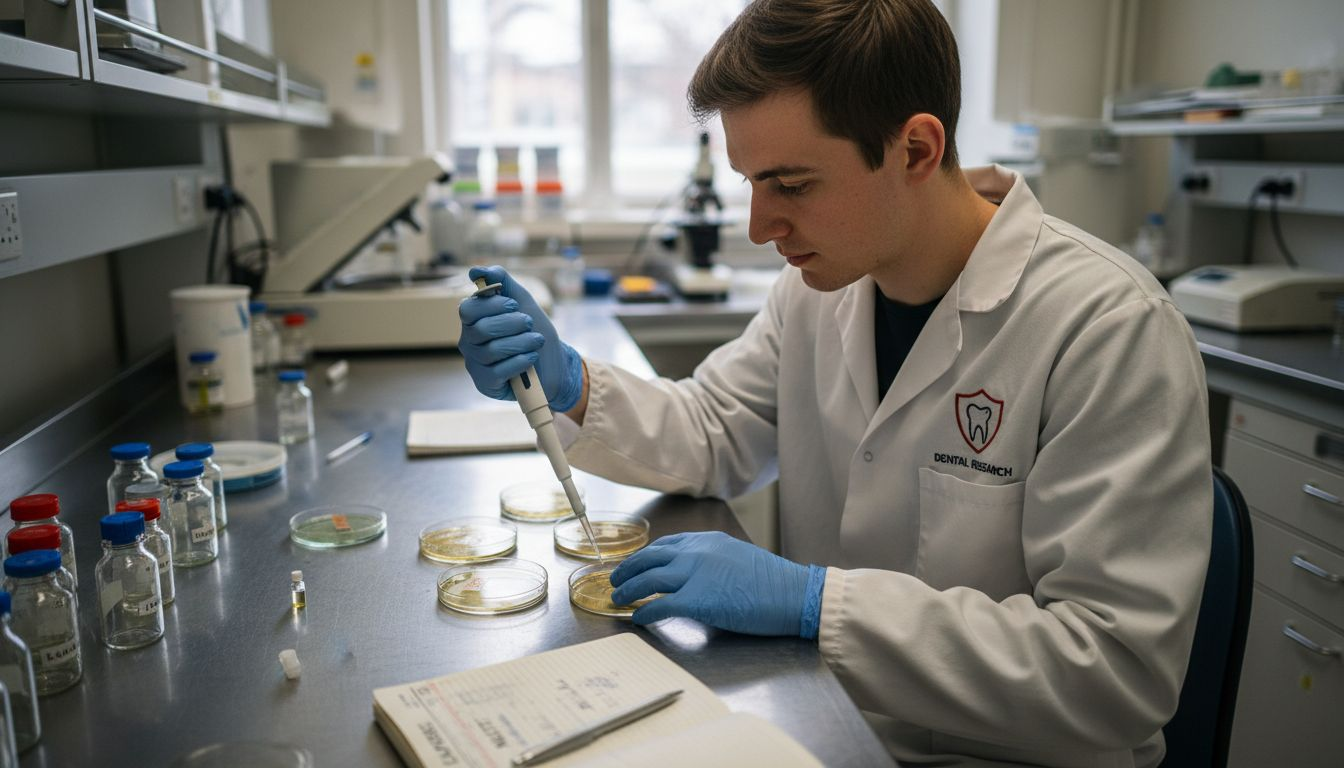
Beyond neutralizing free radicals, antioxidants actively reduce inflammatory markers like interleukin 6 and tumor necrosis factor alpha in gum tissue. Lower inflammation means faster healing, less bleeding, and stronger attachment between your gums and teeth. This dual action against both oxidative stress and inflammation makes antioxidants particularly valuable for people with chronic gum issues.
Antioxidants also disrupt bacterial adhesion to tooth surfaces and interfere with biofilm maturation. When bacteria cannot form stable colonies, plaque accumulation slows dramatically. This antimicrobial effect complements mechanical cleaning, giving you better control over the bacterial populations that drive periodontal disease and cavities.
Pro Tip: Choose products containing proven antioxidant polyphenols like catechins or flavonoids for maximum protective effects against both oxidative stress and bacterial biofilms.
Key protective mechanisms include:
- Direct neutralization of superoxide radicals and hydrogen peroxide
- Downregulation of pro inflammatory cytokine production
- Inhibition of bacterial adhesion proteins and quorum sensing
- Enhancement of epithelial barrier function and wound closure
- Chelation of metal ions that catalyze oxidative reactions
The role of antioxidants in oral hygiene extends beyond simple damage prevention to active promotion of tissue regeneration and immune function. This comprehensive protection explains why incorporating antioxidants into your daily routine yields measurable improvements in gum health markers within weeks.
Antioxidants vs Bacterial Biofilms and Plaque Formation
Bacterial biofilms are structured communities of microorganisms encased in protective extracellular polymers that shield them from antimicrobials and your immune system. These biofilms form the foundation of dental plaque, which mineralizes into tartar and creates pockets where anaerobic bacteria thrive. Breaking down biofilm architecture is critical for preventing gingivitis and periodontitis progression.
Polyphenolic antioxidants attack biofilms through multiple pathways. They interfere with bacterial adhesion molecules that anchor cells to tooth surfaces, disrupt quorum sensing systems that coordinate biofilm maturation, and damage bacterial cell membranes directly. Polyphenols reduced biofilm biomass by 30 to 50% in laboratory models of oral pathogens, demonstrating potent anti biofilm activity comparable to some chemical antimicrobials.
This biofilm disruption translates to less plaque accumulation between brushing sessions. When you use antioxidants in oral hygiene products, you extend the clean feeling after brushing because bacteria cannot recolonize surfaces as quickly. This effect is particularly valuable overnight when saliva flow decreases and bacterial growth accelerates.
| Treatment Condition | Biofilm Biomass Remaining | Plaque Formation Rate |
|---|---|---|
| No treatment control | 100% | Baseline |
| Standard brushing only | 65% | 80% of baseline |
| Antioxidant treatment | 35 to 50% | 40 to 60% of baseline |
| Combined mechanical and antioxidant | 20 to 30% | 25 to 40% of baseline |
The data reveals that combining mechanical removal with antioxidant disruption produces superior plaque control compared to either approach alone. This synergy enables more effective natural oral care without relying solely on harsh chemical antimicrobials that can disturb your oral microbiome balance.
Clinical Evidence of Antioxidants Improving Gum Health
Controlled clinical trials demonstrate measurable improvements when patients use antioxidant oral care products consistently. Studies comparing antioxidant mouthwashes to placebo show reduced gingival bleeding and pocket depth after 8 to 12 weeks of daily use. These benefits appear most pronounced in patients with mild to moderate gingivitis who have not yet developed severe periodontal disease.
In head to head comparisons, antioxidant formulations performed similarly to chlorhexidine for reducing inflammation markers without the staining and taste alteration side effects. Patients reported higher satisfaction and better compliance with antioxidant products, suggesting they offer a practical alternative for long term gum health maintenance. The anti inflammatory effects persist with continued use, unlike some antimicrobials that lose effectiveness over time.
Key clinical improvements documented include:
- 30 to 45% reduction in gingival bleeding on probing
- 0.5 to 1.2mm decrease in periodontal pocket depth
- 25 to 40% lower plaque index scores
- Improved gingival tissue color and consistency
- Faster healing after professional cleanings
These outcomes matter because they represent real quality of life improvements. Less bleeding means you can eat and brush comfortably without constant irritation. Shallower pockets reduce your risk of progressive bone loss and eventual tooth loss. For health conscious consumers seeking natural solutions, these results validate antioxidants as legitimate therapeutic agents.
The clinical evidence of antioxidants improving gum health continues growing as more researchers investigate plant derived compounds. While individual responses vary, the overall trend shows consistent benefits across diverse populations and product formulations.
Natural Antioxidants in Innovative Oral Care Formulations
Hemp extracts contain cannabinoids and terpenes with potent anti inflammatory and antioxidant properties. These compounds reduce gum swelling and pain while neutralizing free radicals more effectively than many synthetic alternatives. Hemp’s cannabidiol content also modulates immune responses, helping your body maintain healthy tissue without excessive inflammation that damages periodontal structures.
Dead Sea minerals bring concentrated magnesium, calcium, and potassium that support cellular metabolism and wound healing in oral tissues. Dead Sea mineral extracts promote oral mucosal healing 20% faster in clinical pilot studies, making them valuable for people recovering from dental procedures or managing chronic inflammation. The minerals also possess mild antimicrobial properties that complement their antioxidant effects.
| Ingredient | Primary Antioxidant Mechanism | Natural Source | Key Oral Care Benefit |
|---|---|---|---|
| Hemp extracts | Cannabinoid receptor modulation, ROS scavenging | Cannabis sativa plant | Reduces inflammation and pain perception |
| Dead Sea minerals | Metal ion balance, membrane stabilization | Dead Sea salt deposits | Accelerates mucosal healing and regeneration |
| Green tea polyphenols | Catechin mediated free radical neutralization | Camellia sinensis leaves | Inhibits bacterial enzymes and biofilm formation |
| Vitamin E | Lipid peroxidation chain breaking | Plant oils and seeds | Protects cell membranes from oxidative damage |
Combining multiple antioxidant sources creates synergistic effects where the whole exceeds the sum of parts. Hemp and Dead Sea minerals together address inflammation, oxidative stress, and bacterial control simultaneously. This multi target approach mirrors how your body naturally defends oral health through diverse mechanisms rather than single pathways.
Pro Tip: Select products synergizing multiple natural antioxidants like hemp, minerals, and plant polyphenols for enhanced efficacy against complex oral health challenges.
Brands incorporating these innovative dental solutions recognize that modern consumers want evidence based natural options. The science supporting Dead Sea minerals oral care benefits and hemp extracts continues expanding as more research validates traditional uses with rigorous clinical testing.
Common Misconceptions About Antioxidants vs Fluoride in Oral Care
One persistent myth suggests antioxidants can completely replace fluoride for cavity prevention. While antioxidants excel at reducing gum inflammation and supporting tissue health, fluoride reduces caries incidence by up to 30% through enamel remineralization that antioxidants cannot replicate. Fluoride works by incorporating into hydroxyapatite crystal structures, making enamel more resistant to acid dissolution from bacterial metabolism.
Antioxidants provide complementary benefits by reducing the inflammatory environment that accelerates enamel breakdown and by inhibiting bacteria that produce enamel eroding acids. They work upstream by controlling bacterial populations and downstream by protecting soft tissues from oxidative damage. This two pronged approach means you get better results using both strategies than relying on either alone.
Another misconception equates natural with automatically safe or risk free. While natural antioxidant products generally have excellent safety profiles, concentrated formulations can irritate sensitive tissues if overused. Proper formulation and usage instructions matter regardless of ingredient origin. Natural does not mean you can ignore concentration limits or application frequency guidelines.
Common myths corrected:
- Myth: Antioxidants provide complete cavity protection. Reality: They reduce risk factors but do not remineralize enamel like fluoride.
- Myth: Natural antioxidants have zero side effects. Reality: High concentrations may cause mild irritation in sensitive individuals.
- Myth: Antioxidants work immediately. Reality: Benefits accumulate over weeks of consistent use, not overnight.
- Myth: All antioxidant products are equally effective. Reality: Formulation quality, concentration, and ingredient selection dramatically affect outcomes.
Understanding enamel protection without fluoride requires recognizing what antioxidants do well and where other strategies like proper pH management and remineralizing agents remain necessary. Integrated approaches combining multiple evidence based methods deliver superior results compared to single ingredient solutions.
Practical Considerations and Safety in Antioxidant Oral Care Use
Consumers in Germany, Belgium, and the UK increasingly seek natural oral care alternatives driven by concerns about chemical additives and fluoride exposure. This trend has accelerated demand for well formulated antioxidant products that deliver clinical benefits without compromising safety. The market now offers diverse options ranging from toothpastes and mouthwashes to oral sprays and gels featuring hemp, minerals, and botanical extracts.
Safety data shows approximately 5% of users experienced mild mucosal irritation with high concentration antioxidant formulations, typically resolving quickly after reducing application frequency. Most reactions occur when people overuse products or fail to dilute concentrates properly. Following manufacturer instructions and starting with lower potency options minimizes irritation risk while you assess individual tolerance.
Criteria for selecting effective, safe antioxidant oral care products:
- Third party testing verification for purity and concentration accuracy
- Clear ingredient sourcing with batch traceability
- Appropriate pH balance between 6.5 and 7.5 to protect enamel
- Clinically relevant antioxidant concentrations backed by research
- Transparent labeling of all active and inactive ingredients
- Recommendations from dental professionals familiar with natural products
Pro Tip: Start with low concentration antioxidant products and gradually increase potency while monitoring for any irritation when transitioning from conventional oral care.
Choosing quality matters more than simply opting for natural ingredients. Well formulated products balance efficacy with safety through proper concentration selection, pH optimization, and ingredient synergy. Resources like guides for choosing fluoride free toothpaste and dental product safety guidelines help you navigate options confidently.
Summary and Next Steps for Integrating Antioxidants into Oral Care Routine
Antioxidants reduce oxidative stress, control inflammation, and disrupt bacterial biofilms that drive gum disease and plaque accumulation. These benefits complement fluoride’s enamel strengthening effects rather than replacing them. Together, they provide comprehensive protection addressing both soft tissue health and cavity prevention through distinct but synergistic mechanisms.
Thoughtful product selection based on ingredient quality, concentration, and clinical evidence maximizes benefits while minimizing irritation risks. Start with established formulations containing proven antioxidants like polyphenols, hemp extracts, or Dead Sea minerals. Integrate them into your existing routine gradually, monitoring results over several weeks as benefits accumulate.
Consistent daily use matters more than sporadic intensive treatment. Antioxidants work best when maintained at steady tissue levels through regular application. Pair them with proper brushing technique, flossing, and professional cleanings for optimal oral health outcomes. Following a structured natural oral care routine ensures you address all aspects of oral health systematically.
Explore Natural Antioxidant Oral Care Solutions
Ready to experience antioxidant benefits firsthand? Stop Oral Care offers innovative fluoride free products combining hemp extracts and Dead Sea minerals with proven antioxidant activity. Our formulations target oxidative stress and inflammation while maintaining enamel friendly pH levels for safe daily use.
Discover our complete natural oral care routine list with step by step guidance for integrating antioxidants effectively. Learn practical transition to natural oral care strategies that minimize adjustment challenges. Explore the science behind hemp toothpaste benefits and how our unique formulations deliver clinical results naturally. Your journey toward healthier gums and reduced chemical exposure starts with informed choices backed by science.
Frequently Asked Questions
What are antioxidants and how do they work in oral care?
Antioxidants are molecules that neutralize harmful free radicals, also called reactive oxygen species, which damage oral tissues through oxidative stress. In your mouth, they reduce inflammation, protect gum tissue from breakdown, and inhibit bacterial biofilm formation that leads to plaque. By donating electrons to unstable molecules, antioxidants stop chain reactions of cellular damage before they spread. Learn more about the role of antioxidants in oral hygiene and their specific mechanisms.
Can antioxidants replace fluoride in preventing cavities?
No, antioxidants do not replace fluoride for cavity prevention. Fluoride remains essential for enamel remineralization and cavity prevention by strengthening tooth crystal structures against acid attacks. Antioxidants complement fluoride by improving gum health, reducing inflammation, and controlling bacteria that produce enamel eroding acids. The two work through different mechanisms, making combined use more effective than either alone for comprehensive oral health.
Are natural antioxidant oral care products always safe to use?
Natural antioxidant products are generally safe when properly formulated and used as directed. However, approximately 5% of users experienced mild mucosal irritation with high concentration formulations, especially with overuse. Select well tested products with appropriate concentrations and follow usage recommendations carefully. Start with lower potency options if you have sensitive tissues, and consult guides for choosing fluoride free toothpaste safely to make informed decisions.
How long does it take to see results from antioxidant oral care products?
Most people notice improvements in gum bleeding and inflammation within 2 to 4 weeks of consistent daily use. Clinical studies show measurable reductions in pocket depth and plaque scores after 8 to 12 weeks. Antioxidants work cumulatively, building tissue protection over time rather than providing instant results. Patience and consistent application according to product instructions yield the best outcomes for long term gum health and reduced oxidative stress.
Recommended
- Role of Antioxidants in Oral Hygiene: Natural Solutions – Stop Oral Care
- Effective Natural Mouthwash for Gum Disease: 5 Home Remedies Backed by – Stop Oral Care
- Enamel Protection: 30% Stronger Teeth Without Fluoride – Stop Oral Care
- Sustainable Oral Care: Benefits and Best Practices – Stop Oral Care