

TL;DR:
- Natural, fluoride-free products with documented active ingredients and third-party testing are essential for managing dental sensitivity and gum inflammation. Consistent use of low-abrasion formulations containing clinically supported actives like nano-hydroxyapatite or potassium nitrate can reduce symptoms within four to eight weeks. Verification of ingredient concentrations and transparency in testing are critical for ensuring product efficacy and safety.
Science-backed, natural fluoride-free formulations that prioritize low abrasion and targeted anti-inflammatory delivery represent the most evidence-supported approach for consumers managing sensitivity and gum inflammation. The immediate next step: identify a product with documented third-party testing, a transparent ingredient list, and a low-abrasion formulation, then commit to consistent use for a minimum of four to eight weeks before evaluating symptom changes. Organizations such as CareQuest Innovation Partners and Mintel both document a measurable shift toward ingredient transparency and whole-person oral wellness as the defining criteria for genuine product innovation in this category.
Key signals that a product meets this standard:
- Verified non-fluoride remineralizing agent (nano-hydroxyapatite or mineral blend)
- Third-party batch testing with accessible results
- Absence of sodium lauryl sulfate (SLS) or other harsh surfactants
- Declared concentrations for active ingredients
- Age-appropriate labeling and pediatric safety notes
Table of Contents
- What do innovative oral care products actually mean today?
- Which natural ingredients actually help sensitive teeth and gums?
- How do modern gentle formulations relieve sensitivity and protect gums?
- How to pick an effective fluoride-free product for sensitive teeth and gums
- A daily routine for sensitive teeth using fluoride-free products
- Safety notes and when to consult a dental professional
- What does the research say, and who is Dr. Veronica Stahl?
- Key Takeaways
- Why ingredient science matters more than device complexity
- Stop-oralcare: fluoride-free formulations for sensitive teeth and gums
- Selected sources and further reading
What do innovative oral care products actually mean today?
In the context of natural, fluoride-free oral care, “innovation” refers to four converging developments: ingredient science (novel actives with clinical backing), targeted delivery systems (gels, sprays, and slow-release pastes that concentrate actives at the gumline), microbiome-aware formulations that avoid disrupting beneficial oral flora, and gentler surfactant chemistry. Cosmetic claims such as whitening occupy a separate category and do not, by themselves, constitute therapeutic innovation for sensitivity or gum health.
Current innovation types relevant to this audience:
- Ingredient innovation: nano-hydroxyapatite, potassium nitrate, xylitol, Dead Sea mineral blends, hemp-derived phytocannabinoids
- Delivery systems: oral sprays, therapeutic gels, slow-release pastes that sustain contact time at the gumline
- Microbiome-focused formulations: products that preserve commensal bacteria rather than indiscriminately reducing the oral biofilm
- Gentler surfactants: SLS-free or plant-derived alternatives that reduce mucosal irritation
- Sustainability and packaging: waterless formats, eco-friendly oral care options, and reduced-plastic delivery
Mintel’s innovation analysis documents rising consumer demand for sensitivity-targeted launches and ingredient-driven “skinification” of oral care, a trend in which consumers apply the same scrutiny to dental formulations that they previously reserved for skincare. CareQuest’s 2026 forecast reinforces this, identifying prevention and ingredient transparency as primary investment signals. For sensitivity and gum health specifically, the distinction that matters is whether a product’s claims are supported by clinical or peer-reviewed evidence, not whether its packaging uses the word “natural.”
Pro Tip: When evaluating a product’s innovation credentials, search for its active ingredient by name in PubMed or a peer-reviewed database. A single published clinical study on the specific compound is worth more than multiple “clinically tested” label claims without citations.
Which natural ingredients actually help sensitive teeth and gums?
The highest-value ingredients for sensitivity and gum health, based on available peer-reviewed evidence, are nano-hydroxyapatite, potassium nitrate, xylitol, Dead Sea mineral blends, and plant-derived anti-inflammatory compounds including hemp derivatives where formulation data supports their use.

| Ingredient | Mechanism | Label claim to look for | Evidence note |
|---|---|---|---|
| Nano-hydroxyapatite | Remineralizes enamel by filling microfissures; fluoride-free alternative | “Remineralizing,” “enamel repair” | Peer-reviewed clinical prototypes show promise as fluoride alternatives |
| Potassium nitrate | Depolarizes dentinal nerve endings, reducing pain signal transmission | “Sensitivity relief,” “desensitizing” | Established in dentifrice research; widely cited in clinical literature |
| Xylitol | Inhibits Streptococcus mutans adhesion; reduces cariogenic biofilm | “Anti-cariogenic,” “sugar-free” | Supported by multiple clinical trials |
| Dead Sea minerals | Anti-inflammatory mineral blend; low-abrasion cleaning support | “Mineral-enriched,” “Dead Sea complex” | Valued for anti-inflammatory properties during cleaning vs. harsh surfactants |
| Hemp-derived compounds | Phytocannabinoid-mediated anti-inflammatory activity at gingival tissue | “Hemp extract,” “CBD-free hemp” | Emerging clinical interest; formulation-dependent |
| Myrrh (Commiphora myrrha) | Traditional anti-inflammatory and antimicrobial; gingival tissue support | “Myrrh extract,” “herbal blend” | Used in herbal oral care formulations with documented antimicrobial properties |
Common natural allergens and irritation risks to screen for include cinnamon aldehyde, clove oil, strong menthol concentrations, and undisclosed essential oil blends. These compounds can trigger mucosal sensitivity reactions in susceptible individuals, particularly those with existing gingival inflammation. Checking the full ingredient list, not just the front-panel claims, remains the most reliable screening method. For a detailed review of fluoride-free ingredient mechanisms, Stop-oralcare’s resource library provides formulation-level explanations.
Pro Tip: Prefer products that list ingredient concentrations (e.g., “2% potassium nitrate”) over those that list only ingredient names. Declared concentrations indicate formulation rigor and allow comparison with published clinical thresholds.
How do modern gentle formulations relieve sensitivity and protect gums?
Targeted delivery of anti-inflammatory actives directly to the gumline, combined with low-abrasion polishing agents, produces measurable reductions in both dentinal sensitivity and gingival inflammation when applied consistently. A Frontiers mini-review confirms that improved dentifrices and advanced oral hygiene aids significantly reduce gingivitis and plaque indices in study populations.
The primary mechanisms operate as follows:
- Targeted delivery: Oral sprays and therapeutic gels maintain prolonged contact time at the gumline, allowing anti-inflammatory actives to penetrate the sulcular epithelium more effectively than a standard paste rinsed away within seconds.
- Low-abrasion polishing: Mineral-based abrasives with a low Relative Dentin Abrasivity (RDA) value clean without eroding cementum or exposed dentin, which is particularly relevant for patients with gingival recession.
- Microbiome support: Formulations that avoid broad-spectrum antimicrobials preserve commensal species, reducing the dysbiosis associated with chronic periodontal inflammation. Rock Health and CareQuest both identify microbiome-focused product claims as a significant opportunity area in oral health innovation.
- Surfactant reduction: Replacing SLS with plant-derived alternatives reduces mucosal irritation, which can otherwise perpetuate a cycle of tissue inflammation and sensitivity.
Practitioners note that minimizing abrasive friction while maximizing delivery of anti-inflammatory actives to the gumline is often the most effective strategy for sensitive gum management.
Pro Tip: Device fatigue is a documented compliance barrier. Practitioners report better long-term adherence with simple, ingredient-focused regimens than with multi-device routines. Prioritize formulation quality over gadget complexity when sensitivity is the primary concern.
How to pick an effective fluoride-free product for sensitive teeth and gums
The single most important criterion: documented third-party testing with accessible batch results, because it is the only objective verification that label claims reflect actual formulation.
Buyer checklist:
- Confirm the presence of at least one clinically studied active (nano-hydroxyapatite, potassium nitrate, or xylitol)
- Verify third-party testing or independent clinical data, not just “clinically inspired” language
- Check RDA value; below 70 is considered low-abrasion for sensitive dentin
- Confirm age and pediatric guidance on the label
- Screen for known irritants: SLS, cinnamon aldehyde, high-concentration essential oils
- Look for declared active concentrations, not just ingredient names
- Assess certification transparency (NSF, non-GMO, organic where applicable)
- Consider packaging sustainability, particularly waterless or reduced-plastic formats
Red flags to avoid:
- Unsupported microbiome claims without cited evidence
- “Detox” or vague “cleansing” language with no mechanism stated
- Absent batch testing information or no customer service contact
- High-concentration essential oils without dilution guidance
- No safety note for children or pediatric age restrictions
Premium pricing in this category is justified when it reflects the cost of clinical testing, third-party verification, and pharmaceutical-grade sourcing of actives. Products priced at $15–$30 per unit that carry verifiable testing data represent a reasonable value proposition relative to conventional dentifrices. A fluoride-free care guide from Stop-oralcare outlines practical criteria for evaluating label claims before purchase.
Pro Tip: Request a Certificate of Analysis (CoA) from the manufacturer before purchasing a premium natural product. Reputable brands provide these on request or publish them on their website.
A daily routine for sensitive teeth using fluoride-free products
The objective of a fluoride-free routine for sensitive teeth and gum concerns is to reduce mechanical abrasion at the gumline, sustain anti-inflammatory active contact with gingival tissue, and support a balanced oral microbiome through consistent, low-disruption hygiene.
Suggested daily routine:
- Morning: Brush with a low-abrasion, nano-hydroxyapatite or mineral-based paste for two minutes using a soft-bristle brush; follow with an SLS-free mouthwash or therapeutic oral spray applied directly to the gumline
- Midday (optional): Use a xylitol-containing product (gum, spray, or rinse) after meals to reduce cariogenic biofilm accumulation
- Evening: Floss or use an interdental tool before brushing; apply a therapeutic gel or oral spray to inflamed gum areas; brush with the same low-abrasion paste
Consistent use of this protocol for four to eight weeks is a realistic minimum before expecting measurable symptom reduction. Patients with moderate gingival inflammation may observe reduced bleeding on probing and decreased sensitivity within this window, though more advanced periodontal conditions require professional evaluation. For a structured fluoride-free daily workflow, Stop-oralcare provides step-by-step guidance aligned with current clinical recommendations.
This routine is designed to complement professional dental care, not replace it. Use it between visits to maintain the gains achieved through professional cleaning and treatment.
Safety notes and when to consult a dental professional
Many fluoride-free formulations are safe for daily use when properly tested, but they carry specific tradeoffs for individuals at elevated caries risk, particularly those with reduced salivary flow, a history of rampant decay, or active periodontal disease. The absence of fluoride removes one established remineralization pathway, which must be compensated by consistent use of nano-hydroxyapatite or other verified alternatives.
Safety considerations:
- Allergic reactions to essential oils, plant extracts, or mineral compounds are possible; discontinue use and consult a clinician if mucosal irritation persists beyond 48 hours
- Pediatric use requires age-specific formulations; many therapeutic actives carry minimum age restrictions
- Individuals on medications that cause xerostomia (dry mouth) face elevated caries risk when switching to fluoride-free products
- Concentration labeling matters: undisclosed concentrations of active compounds prevent accurate safety assessment
- Dental ingredient safety resources from Stop-oralcare address labeling standards and consumer screening methods
Consult a dental professional promptly if you observe:
- Persistent sensitivity that does not improve after four to eight weeks of consistent product use
- Spontaneous gingival bleeding or bleeding that increases with gentle brushing
- Gum swelling, recession, or visible changes in tissue color
- Rapid enamel loss or increased tooth translucency
- Recurring oral infections or ulcerations
When discussing fluoride-free product choices with your dental provider, bring the product label and any available third-party test results to the appointment. This article provides general information and does not substitute for personalized professional dental advice; consult a licensed dental clinician for guidance specific to your oral health status.
What does the research say, and who is Dr. Veronica Stahl?
Natural, low-abrasion, ingredient-focused regimens improve adherence for patients with sensitivity because they reduce the iatrogenic irritation that often causes people to abandon more aggressive protocols.
Dr. Veronica Stahl leads the scientific and clinical direction at Stop-oralcare, bringing expertise in both conventional dentistry and natural medicine to the brand’s formulation process. Her role encompasses ingredient validation, safety review, and alignment of product claims with published clinical evidence.
Supporting research from third-party sources reinforces this approach:
- CareQuest Innovation Partners identifies prevention and ingredient transparency as the defining signals of genuine oral health innovation in 2026
- Mintel’s oral care analysis documents rising sensitivity-targeted launches and professional endorsement as key trust drivers in North America
- The Frontiers mini-review confirms that improved dentifrices reduce gingivitis and plaque indices when used correctly
- Stop-oralcare’s clinical blog documents the brand’s ingredient selection rationale and links to supporting research
Key Takeaways
Science-backed, fluoride-free formulations with verified actives and third-party testing represent the most defensible approach for consumers managing dental sensitivity and gum inflammation.
| Point | Details |
|---|---|
| Prioritize verified actives | Seek nano-hydroxyapatite, potassium nitrate, or xylitol with declared concentrations and clinical backing. |
| Third-party testing is non-negotiable | Request a Certificate of Analysis; label claims without batch testing are unverifiable. |
| Routine consistency drives outcomes | Four to eight weeks of consistent use is the minimum realistic window for measurable symptom improvement. |
| Red flags indicate unsupported claims | Avoid products with vague “detox” language, absent safety notes, or undisclosed essential oil concentrations. |
| Stop-oralcare as a leading option | Stop-oralcare’s hemp and Dead Sea mineral formulations are designed for sensitive teeth and gum health with documented ingredient transparency. |
Why ingredient science matters more than device complexity
The oral care market consistently overstates the clinical contribution of mechanical devices relative to formulation quality. A connected toothbrush with AI-guided coverage feedback addresses brushing technique, which is a real variable, but it does not resolve the underlying biochemical drivers of sensitivity and gingival inflammation. Those drivers respond to what is applied to the tissue, not only to how the brush moves. For consumers whose primary concern is sensitivity and gum health, the evidence points toward formulation-first decision-making: select the right actives, verify the testing, and apply them consistently. Device upgrades can complement this approach, but they do not substitute for it. The 2026 oral health trends analysis from Stop-oralcare examines how this formulation-first principle aligns with the broader shift toward whole-person, prevention-focused oral care.
Stop-oralcare: fluoride-free formulations for sensitive teeth and gums
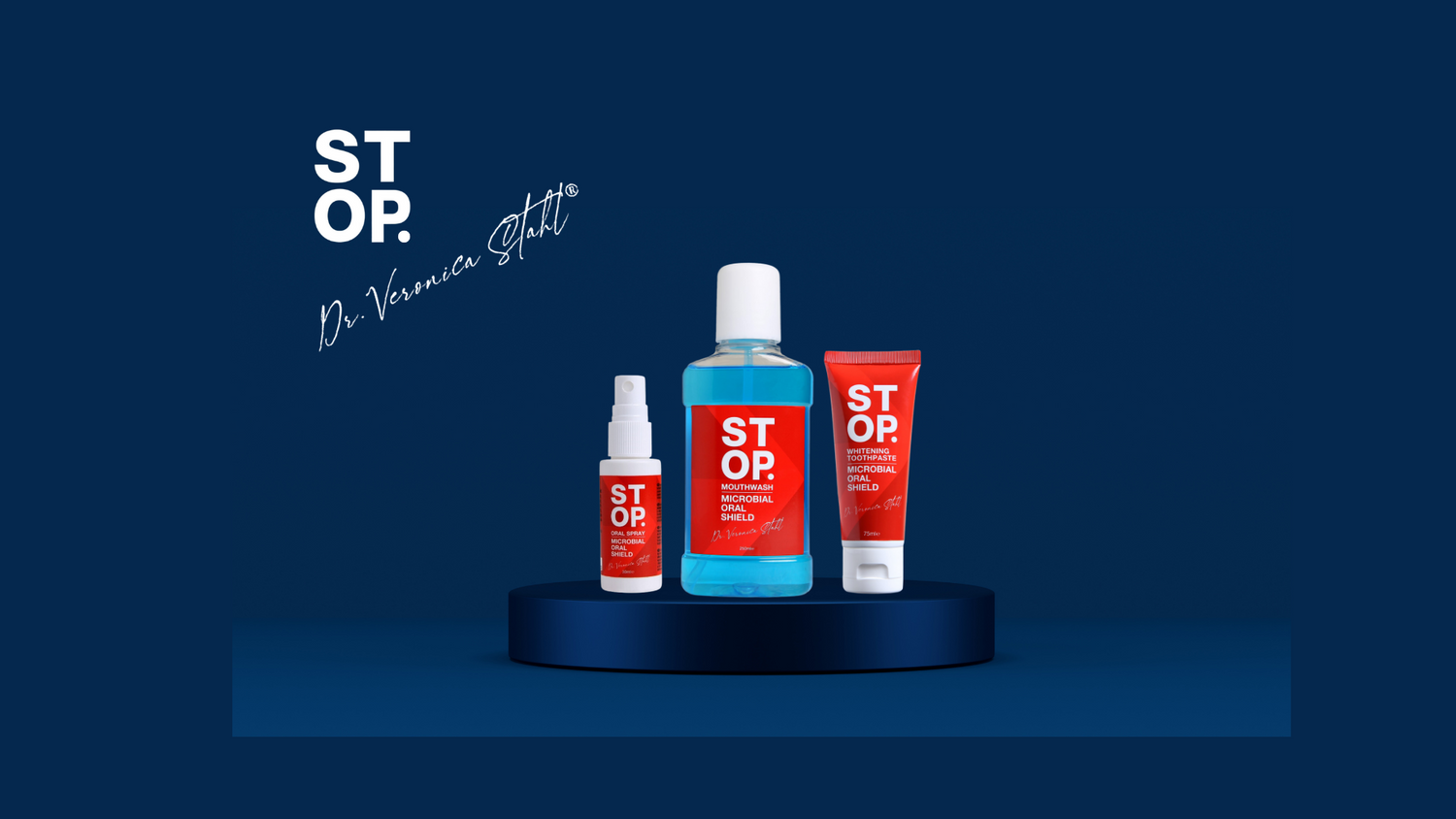
For consumers seeking natural, fluoride-free products with verified actives and clinical backing for sensitivity and gum health, Stop-oralcare offers a directly relevant product line. The brand’s formulations combine hemp-derived compounds and Dead Sea minerals in low-abrasion dentifrices, therapeutic mouthwash, and targeted oral sprays, each developed under Dr. Veronica Stahl’s clinical oversight and supported by third-party ingredient verification.
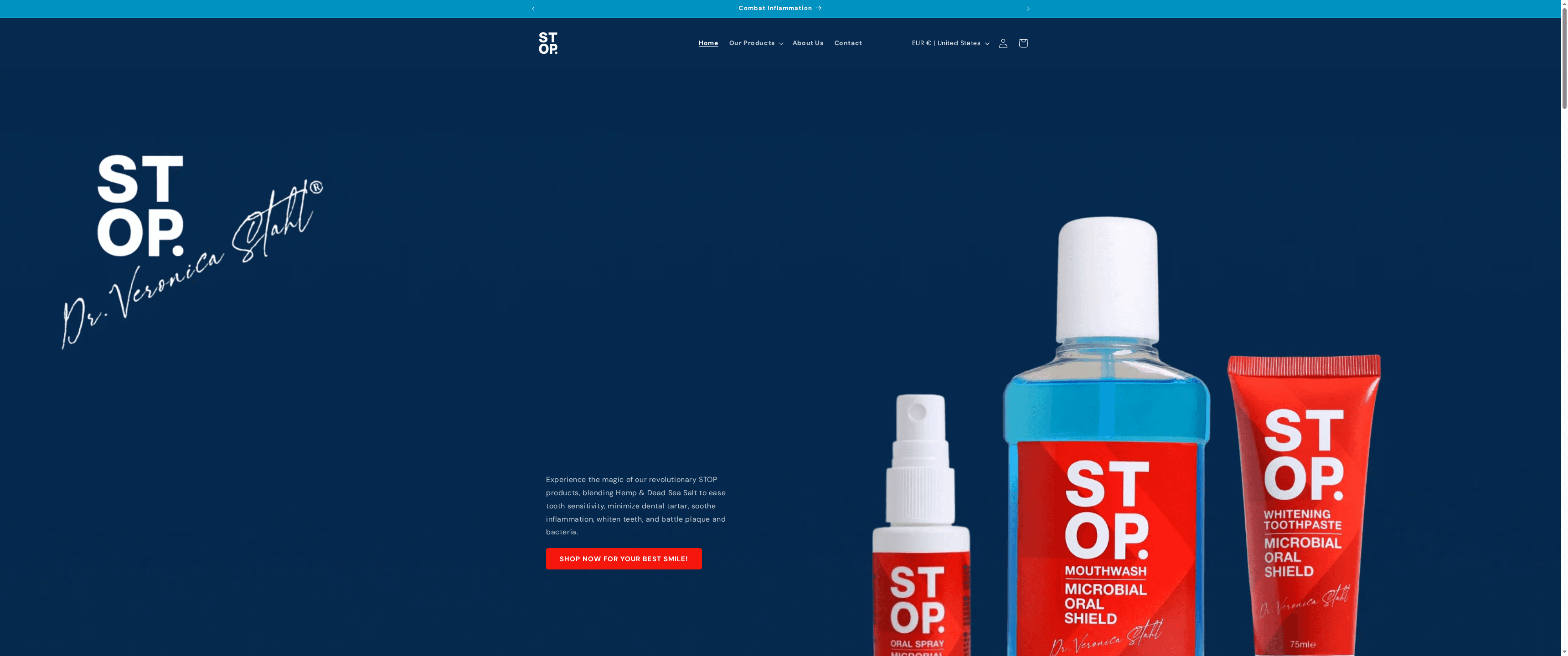
The product categories address the full daily routine: toothpaste for low-abrasion cleaning and remineralization support, mouthwash for anti-inflammatory gingival contact, and oral spray for targeted delivery between brushing sessions. All formulations are fluoride-free and SLS-free, with ingredient transparency as a stated formulation standard.
To review the full product line, ingredient documentation, and clinical references, visit Stop-oralcare and consult the brand’s resource library for formulation-level detail before purchasing.
Selected sources and further reading
Authoritative sources cited in this article, organized by relevance:
- Innovations in oral hygiene tools: a mini review — Frontiers in Dental Medicine: Peer-reviewed clinical review of advanced dentifrices, devices, and their effects on gingivitis and plaque indices.
- Longevity, Access, and AI: Forecasting 2026 Oral Health Innovation — CareQuest Innovation Partners: Industry forecast identifying prevention, ingredient transparency, and whole-person integration as 2026 innovation priorities.
- A Year of Innovation in Oral Care — Mintel: Consumer and market analysis documenting sensitivity-targeted launches and ingredient-driven product development trends.
- Brushing up on oral health — Rock Health: Investment and innovation analysis covering microbiome-focused formulations and consumer activation opportunity areas.
- Beyond the Brush: Exploring Advanced Dental Hygiene Tools — New Hope Dental: Practitioner perspective on low-abrasion technique and targeted anti-inflammatory delivery for sensitive gums.
- Oral Care Innovation: Natural Solutions for Healthy Gums — Stop-oralcare: Brand-authored overview of scientific evidence supporting hemp and Dead Sea mineral formulations.
- Stop-oralcare brand and author credentials: Primary source for Dr. Veronica Stahl’s professional background and Stop-oralcare’s mission and formulation standards.
Readers are encouraged to consult a licensed dental professional for personalized guidance before modifying their oral care regimen, particularly when managing active sensitivity, periodontal disease, or other diagnosed oral health conditions.