

Menopause does not directly damage teeth, but the drop in estrogen creates the conditions that make sensitivity far more common: drier mouths, thinner gum tissue, and more exposed root surfaces. If you are noticing new sharp reactions to cold drinks or sweets, start with a desensitizing toothpaste, sip water after anything acidic, and see a dentist if the discomfort does not ease within a few weeks.
TL;DR:
- Menopause-related estrogen decline reduces saliva production, increasing the risk of cavities, gum recession, and tooth sensitivity in women.
- Sharp sensitivity episodes usually last seconds and are triggered by cold, hot, or acidic foods, but persistent signs warrant dental evaluation.
- Using a soft brush with desensitizing toothpaste, avoiding frequent acidic foods, and staying hydrated can significantly lessen sensitivity within weeks.
- Dental treatments like fluoride varnish or gum grafting may be necessary if symptoms involve decay, cracks, or gum recession that worsens over time.
- For long-term prevention, maintaining regular dental visits, managing medications, and supporting bone health with calcium and vitamin D are essential.
Table of Contents
- How Menopause-Related Hormonal Changes Cause Sensitivity
- What Hormonal Tooth Sensitivity Actually Feels Like
- How To Manage Sensitivity At Home Right Now
- Dental Treatments and When To See a Dentist
- Preventing Sensitivity From Getting Worse
- A Quick Checklist From Stop-oralcare’s Clinical Team
- A Clinician’s View on Living With These Changes
- Where Stop-oralcare Fits Into Your Routine
- Sources
- FAQ
How Menopause-Related Hormonal Changes Cause Sensitivity
Estrogen regulates salivary gland function, and when levels fall, saliva production drops with it. Less saliva means less natural buffering against acid and bacteria, a condition dentists call xerostomia, and it tends to leave teeth more exposed to everyday wear. A clinical review of menopause and oral health found this reduced salivary flow raises the risk of cavities, gum disease, and oral infections during this stage of life.
Gum tissue also changes. The connective fibers that hold gums snugly against the tooth surface thin out, which can lead to recession and expose the root, an area with no protective enamel and far more nerve sensitivity than the crown of the tooth. A Penn Dental Medicine review notes that many women notice changes in their teeth or gums as they age, though many never connect those changes to menopause itself.
A few other factors often stack on top of these hormonal shifts:
- Bone density loss in the jaw, tied to menopause-related osteoporosis risk, can affect tooth stability over time.
- Common midlife medications, including some blood pressure drugs and antihistamines, can dry out the mouth further.
- Age-related enamel thinning compounds the effect, since thinner enamel means less insulation against temperature and acid.
What Hormonal Tooth Sensitivity Actually Feels Like
Menopause-linked sensitivity usually shows up as a quick, sharp jolt to cold drinks, hot coffee, sweets, or acidic foods, and it fades within seconds. That pattern is different from a dull, lingering ache that points to a deeper problem like a cracked tooth or an infected nerve.
Watch for these accompanying signs, which help you tell hormonal changes apart from something more urgent:
- A burning sensation on the tongue or roof of the mouth, sometimes paired with a metallic or altered taste.
- Persistent dryness, especially at night or first thing in the morning.
- Visible gum recession, more food getting trapped between teeth, occasional bleeding when you brush, or any sense that a tooth feels loose.
That last group is your signal to move from home care to a dental visit rather than waiting it out.
How To Manage Sensitivity At Home Right Now
Most menopause-related sensitivity responds well to a handful of consistent habits, and you do not need to overhaul your entire routine to feel a difference within a couple of weeks.
- Switch your brushing approach. Use a soft-bristled brush and a desensitizing or fluoride toothpaste, and go easy on pressure. Hard scrubbing wears down what enamel and root surface you have left, which makes sensitivity worse over time.
- Support your saliva. An alcohol-free mouthwash avoids the drying effect that alcohol-based rinses have on already-thin saliva reserves. Sugar-free xylitol gum after meals can help stimulate flow when your mouth feels persistently dry.
- Adjust how you eat and drink. Frequent acidic snacks and drinks (citrus, soda, wine) keep your mouth in an acidic state longer. Using a straw for acidic drinks and rinsing with water afterward cuts down on that acid contact and lowers erosion risk, which matters more when saliva production is already reduced.
- Consider short-term clinical support. Desensitizing pastes, topical fluoride gels, and a night guard for teeth grinding can bring faster relief while you work on the habits above.
Pro Tip: If dry mouth is worse when you wake up, you may be breathing through your mouth overnight. A bedside humidifier and a few nighttime adjustments often make a noticeable difference within a week or two.
For readers looking specifically at fluoride-free formulations, an alcohol-free mouthwash built for dry mouth can be a gentler daily option than a standard drugstore rinse.

Dental Treatments and When To See a Dentist
A dentist evaluating menopause-related sensitivity will check for cavities, cracks, root exposure, gum disease, and reduced saliva function, since more than one of these often overlaps at once. Depending on what they find, treatment might include fluoride varnish, bonding or resin to cover exposed roots, gum grafting for more advanced recession, or standard care for decay and infection.
Some signs mean you should not wait for a routine cleaning:
- Pain that is severe, constant, or getting worse over days rather than fading.
- Swelling, pus, or any sign of infection around a tooth or gum.
- A tooth that feels loose or shifts position.
Dentists sometimes coordinate with your primary care physician when osteoporosis screening or hormone replacement therapy is already part of your care, since bone density and oral bone health are closely linked.
Preventing Sensitivity From Getting Worse
Long-term prevention has less to do with any single product and more to do with consistency across a few areas of your health. The American Dental Association recommends brushing twice daily with fluoride toothpaste, flossing daily, staying hydrated, and scheduling dental checkups more often during menopause than you might have needed before.
A few other steps worth building into your routine:
- Ask your physician whether hormone replacement therapy fits your situation. Some research suggests HRT may ease dry mouth and support jaw bone density, though its effect on gum tissue specifically is still being studied.
- Review any medications that list dry mouth as a side effect with your prescriber, and ask if a lower-risk alternative exists.
- Cut back on smoking, keep your diet balanced, and make sure you are getting enough calcium and vitamin D, since both play a direct role in bone health.
- Bring up recession or root exposure early. A guide to gum recession remedies covers what treatable causes look like before they progress.
A Quick Checklist From Stop-oralcare’s Clinical Team
Dr. Veronica Stahl, who leads formulation and clinical guidance at Stop-oralcare, built the practical dental care checklist below around the same pattern seen across menopause research: dryness, recession, and sensitivity tend to arrive together.
- Brush gently, twice daily, with a soft brush.
- Stay ahead of dry mouth with water and alcohol-free rinses.
- Choose fluoride-free or desensitizing products suited to sensitive teeth.
- Limit frequent acid exposure from food and drinks.
- Book dental checkups more often, not less.
- Review medications with your prescriber if dry mouth persists.
- Seek prompt care for swelling, loose teeth, or pain that does not fade.
Conditions like osteoporosis or other systemic disease still need coordinated medical care alongside anything on this list.
A Clinician’s View on Living With These Changes
Sensitivity during menopause is common, uneven, and often dismissed until it becomes disruptive. Every woman’s timeline looks different, so give new habits a few weeks before judging results, and treat your dentist and physician as a team rather than two separate appointments.
— Veronica
Where Stop-oralcare Fits Into Your Routine
If dryness and sensitivity are pushing you to rethink what you put in your mouth twice a day, Stop-oralcare’s fluoride-free line was built around exactly that shift, using hemp and Dead Sea minerals instead of the ingredients that can feel harsh on already-sensitive gums.
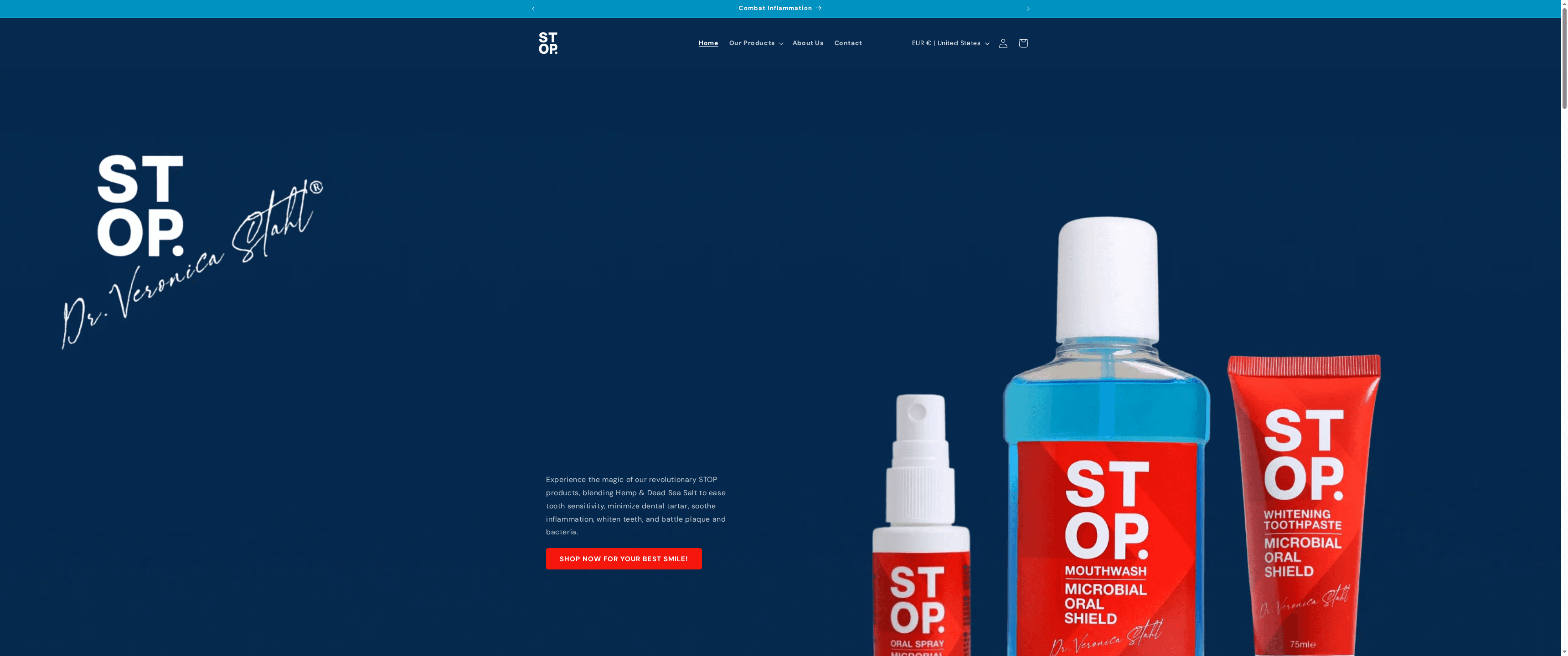
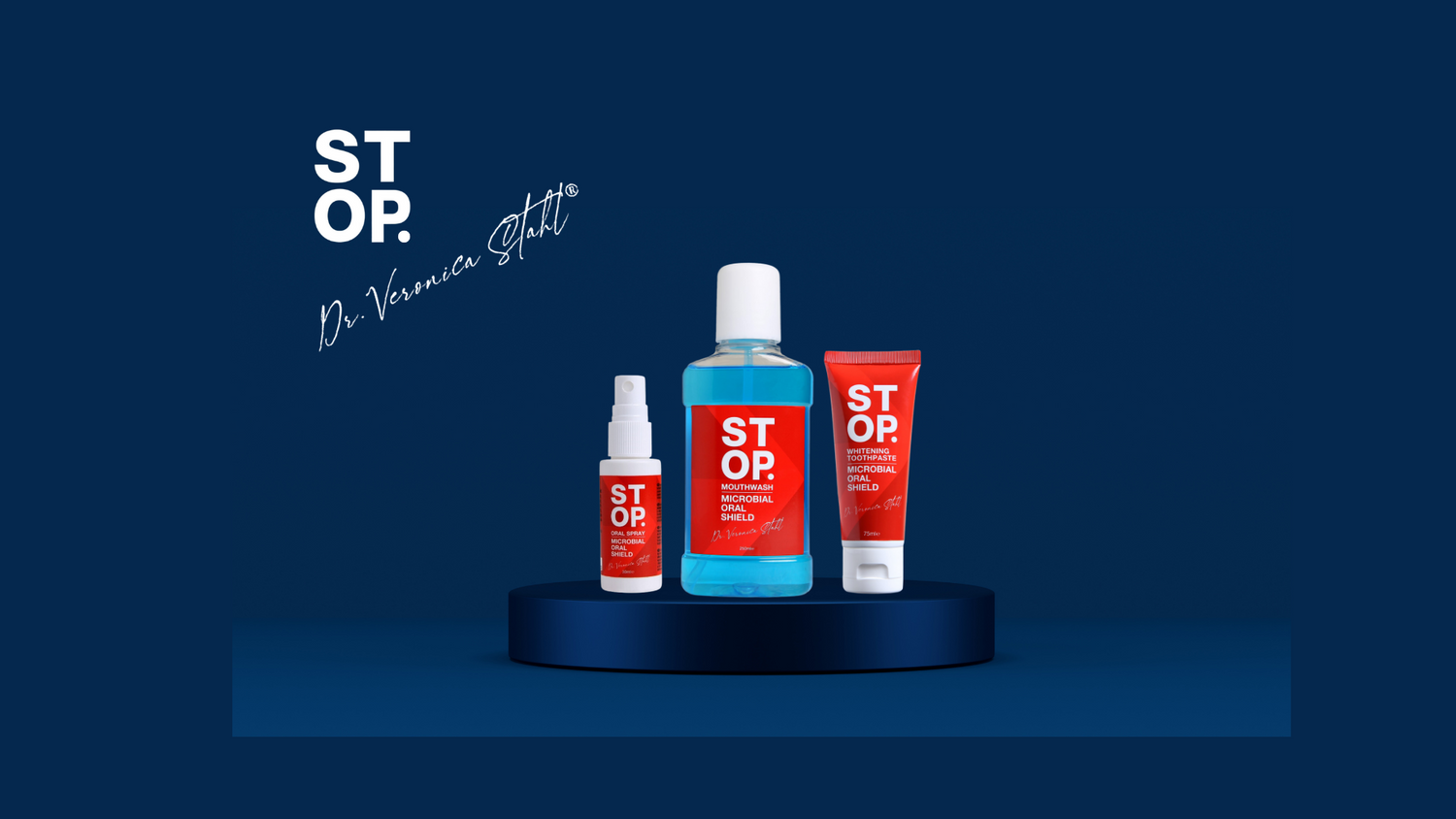
The lineup covers three needs at once: the STOP Protective & Whitening Toothpaste for daily brushing, an alcohol-free STOP Mouthwash that will not strip what saliva you still have, and a STOP Protective Oral Spray for quick relief between brushings. None of these replace a dental exam, but they give you a fluoride-free option formulated for exactly the kind of sensitivity menopause tends to bring on. Visit Stop-oralcare to see the full range and pick the product that matches where you are right now.
Sources
- Clinical review: menopause and oral health — PMC
- Menopause and Oral Health: What You Need To Know — Penn Dental Medicine
- Maintaining good oral health through menopause — ADA News
FAQ
Why Are All My Teeth Suddenly Sensitive?
Sudden widespread sensitivity during menopause is usually tied to reduced saliva flow and gum recession exposing tooth roots, rather than one specific problem tooth. A clinical review links this pattern directly to falling estrogen levels.
Does Menopause Affect Your Teeth?
Yes. Menopause does not damage teeth directly, but it creates dry mouth, gum recession, and bone density changes that make cavities, sensitivity, and gum disease more likely. A Penn Dental Medicine review found 51% of women notice changes in their teeth or gums over time.
What Does Hormonal Tooth Pain Feel Like?
It typically feels like a sharp, brief jolt triggered by cold, hot, sweet, or acidic foods, rather than a constant ache. A lingering, deep pain instead points toward a cavity, crack, or infection that needs a dental exam.
What Are Common Symptoms of Menopause in the Mouth?
The most frequent signs are dry mouth, altered taste, gum recession, and a burning sensation on the tongue or palate. A 2025 scoping review identified xerostomia and altered taste as the most common oral symptoms in postmenopausal women.
What Can I Buy Today for Sensitive Teeth During Menopause?
A fluoride-free toothpaste, mouthwash, and oral spray formulated with hemp and Dead Sea minerals are available for sensitive mouths. Current pricing is listed directly on Stop-oralcare.