

TL;DR:
- Microplastics like PE and PP are intentionally added to toothpaste as abrasives and binders.
- Genuinely microplastic-free toothpaste contains natural abrasives like calcium carbonate or silica.
- Consumers should verify ingredients and certifications to avoid false “plastic-free” branding.
Most consumers assume their toothpaste contains nothing more than a blend of cleaning agents, flavoring, and minerals. In reality, numerous conventional formulas incorporate plastic particles such as polyethylene (PE), polypropylene (PP), polymethyl methacrylate (PMMA), nylon (polyamide), polyethylene terephthalate (PET), acrylates copolymer, carbomer, and PEG compounds as functional ingredients. This guide examines the mechanisms by which microplastics enter toothpaste formulations, the health and environmental risks associated with their use, and the evidence-based criteria for identifying genuinely microplastic-free alternatives.
Table of Contents
- Why microplastics are in toothpaste and why they matter
- Defining microplastic-free toothpaste: what it truly means
- Natural abrasive alternatives: what’s inside microplastic-free toothpaste?
- How to choose microplastic-free toothpaste with confidence
- What most people get wrong about microplastic-free toothpaste
- Discover microplastic-free toothpaste alternatives
- Frequently asked questions
Key Takeaways
| Point | Details |
|---|---|
| Identify hidden microplastics | Microplastics are common in many mainstream toothpaste brands, often concealed under chemical names. |
| Read ingredient lists carefully | Always verify both packaging and ingredient claims to ensure you’re choosing truly microplastic-free toothpaste. |
| Prefer natural abrasives | Calcium carbonate, silica, and baking soda offer safer, effective cleaning in microplastic-free formulas. |
| Beware of greenwashing | ‘Plastic-free’ branding may apply only to packaging, not the toothpaste’s ingredients. |
| Microplastics harm environment | Microplastics released from toothpaste use contribute significantly to environmental pollution. |
Why microplastics are in toothpaste and why they matter
Microplastics are not incidental contaminants in most toothpaste formulations. Manufacturers intentionally incorporate these synthetic polymer particles as functional ingredients, relying on them to serve as mild abrasives that physically remove dental plaque and surface stains, as well as texture and viscosity agents that contribute to the consistency and spreadability of the product. Understanding their deliberate inclusion is the first step toward making an informed purchasing decision.
The range of plastic types used across different brands is broader than most consumers anticipate. According to plasticdetox.org, common microplastics identified in toothpaste formulations include:
- Polyethylene (PE): Used primarily as a mild abrasive to polish tooth surfaces
- Polypropylene (PP): Functions similarly to PE, providing mild mechanical cleaning action
- Polymethyl methacrylate (PMMA): Incorporated as a polishing agent and rheology modifier
- Nylon (polyamide): Used in select whitening formulations for gentle abrasion
- Polyethylene terephthalate (PET): Added for shimmer, texture, and visual appeal
- Acrylates copolymer: Serves as a film-forming and binding agent
- Carbomer: Functions as a thickening and gelling agent
- PEG compounds: Used as humectants and to stabilize formulations
The scale of microplastic release associated with routine toothbrushing is significant. Research estimated 4,000 microplastic particles released per single brushing session when using polyethylene-containing toothpaste, with India’s annual microplastic emissions from toothpaste alone reaching approximately 1.4 billion grams. These figures illustrate the cumulative environmental burden attributable to a single category of personal care product.
Statistic: A single brushing session with a polyethylene-based toothpaste may release up to 4,000 microplastic particles into wastewater systems, many of which pass through conventional water treatment infrastructure unfiltered.
From a health perspective, the risks associated with oral microplastic exposure are an active area of scientific inquiry. Unlike ingested food-borne microplastics, particles introduced during toothbrushing interact directly with oral mucosal tissue and may be partially ingested during rinsing. Documented concerns include potential for bioaccumulation in oral and gastrointestinal tissues, disruption of the oral microbiome through physical and chemical interference, and the capacity of plastic particles to carry adsorbed chemical contaminants such as plasticizers and persistent organic pollutants. The full extent of these risks remains under investigation, but the precautionary principle supports reducing unnecessary exposure.
Understanding the full profile of synthetic ingredients in toothpaste is essential for consumers who prioritize both oral health outcomes and broader environmental responsibility. With the context set, let’s examine what qualifies a toothpaste as truly microplastic-free.
Defining microplastic-free toothpaste: what it truly means
The term “microplastic-free toothpaste” refers specifically to the formulation of the product rather than to its packaging or secondary materials. This distinction is clinically and commercially significant, because a growing number of products marketed under eco-friendly or “plastic-free” branding address only the packaging material, leaving synthetic polymer ingredients within the formula itself unchanged.
A product is appropriately described as microplastic-free when its ingredient list is entirely free of intentionally added synthetic polymer particles, including but not limited to those listed in the previous section. Certifications from recognized third-party bodies, such as the “Zero Plastic Inside” mark issued by Beat the Microbead, provide a degree of independent verification. However, certification alone is not sufficient evidence without direct examination of the ingredients list, as the scope and rigor of different certification programs vary.
The following comparison illustrates the substantive differences between conventional and microplastic-free toothpaste formulations:
| Ingredient category | Conventional toothpaste | Microplastic-free toothpaste |
|---|---|---|
| Abrasive agent | Polyethylene (PE) beads | Calcium carbonate, silica |
| Thickener/binder | Carbomer, PEG compounds | Xanthan gum, cellulose |
| Polishing agent | PMMA particles | Hydrated silica (natural) |
| Film former | Acrylates copolymer | Vegetable-based alternatives |
| Texture agent | PET particles | Clay minerals, natural waxes |
As plasticdetox.org notes, some “plastic-free” claims refer only to packaging, while natural abrasives, though generally gentler on enamel, require proper dosing to avoid insufficient or excessive application. Consulting a safe toothpaste checklist is a practical method for cross-referencing ingredients against known microplastic identifiers.
Pro Tip: When evaluating any toothpaste marketed as “natural” or “eco-friendly,” cross-reference the full INCI (International Nomenclature of Cosmetic Ingredients) ingredient list against a recognized microplastic identifier database before purchasing. Brand messaging alone is not a reliable filter.
Key indicators that a product may contain hidden microplastics despite eco-friendly claims include the presence of “carbomer,” “acrylates/C10-30 alkyl acrylate crosspolymer,” or any compound identified by the prefix “poly” in the ingredients list. Additional verification steps include consulting regulatory databases and reviewing the brand’s published formulation philosophy. For those also considering other potentially problematic additives, reviewing guidance on titanium dioxide-free toothpaste provides a complementary reference point, since titanium dioxide is another widely used synthetic compound under increasing regulatory scrutiny.
Now that you know what qualifies as microplastic-free, let’s focus on ingredient choices.
Natural abrasive alternatives: what’s inside microplastic-free toothpaste?
The functional replacement of synthetic polymer abrasives requires ingredients capable of providing equivalent mechanical cleaning efficacy without the environmental persistence or potential biological accumulation associated with plastics. Several naturally derived abrasive agents have established evidence supporting their use in dental formulations, each with a distinct profile of benefits and considerations.
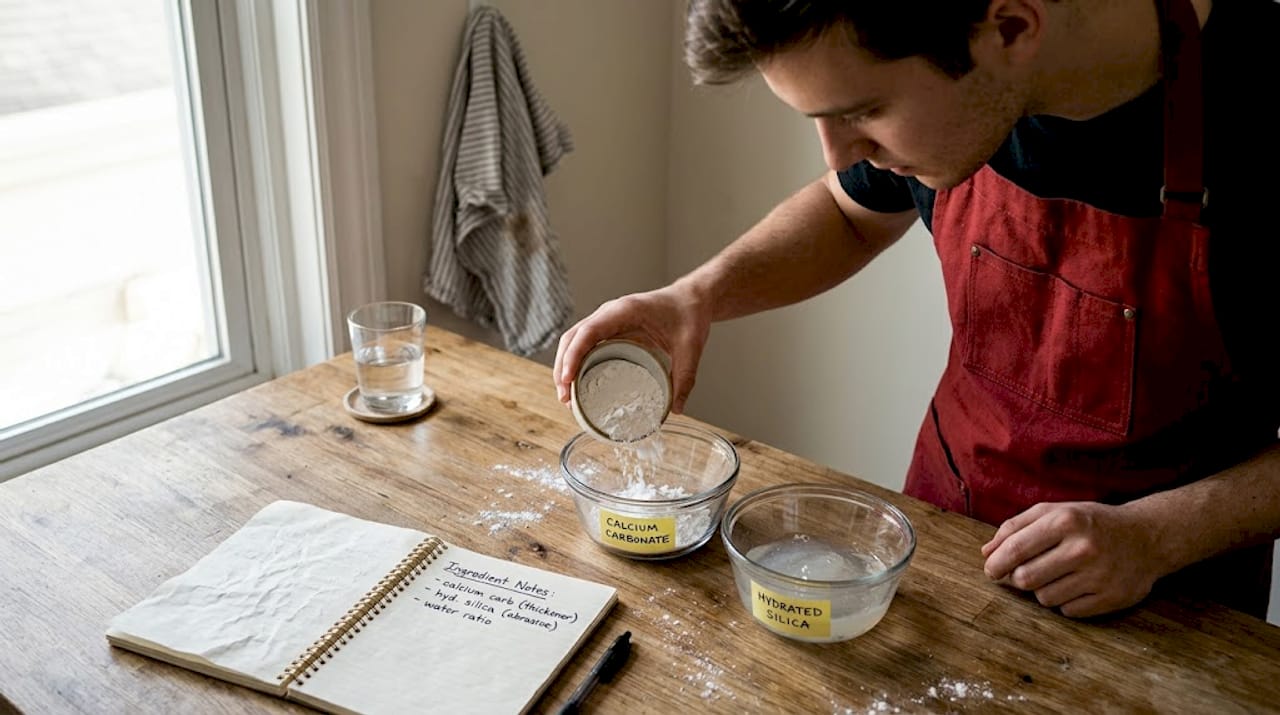
The table below summarizes key characteristics of the most commonly used natural abrasives in microplastic-free toothpaste:
| Abrasive | Source | RDA range | Key benefit | Consideration |
|---|---|---|---|---|
| Calcium carbonate | Mineral/chalk | 70 to 120 | Broad cleaning efficacy | pH alkaline; may affect some actives |
| Hydrated silica | Silica mineral | 60 to 150 | Adjustable texture/grit | Wide variability in abrasivity |
| Sodium bicarbonate | Mineral/baking soda | 7 to 35 | Gentle, antibacterial | Limited standalone efficacy |
| Kaolin clay | Clay mineral | 40 to 70 | Gentle on enamel | Lower abrasivity; may not suit stain removal |
| Bentonite clay | Clay mineral | 30 to 60 | Mineral-rich, detoxifying | Research on efficacy still developing |
RDA = Relative Dentin Abrasivity. ADA-recommended range for safe daily use is 0 to 250.
As established by plasticdetox.org, natural abrasives are generally gentler on enamel than plastic beads, but proper dosing remains essential to avoid under-application (insufficient plaque removal) or over-application (enamel wear over time). This nuance makes the RDA value a practical reference point when selecting a product for specific oral health needs such as sensitivity management, whitening, or daily maintenance.
The following steps provide a structured approach to evaluating natural abrasive toothpastes:
- Identify the abrasive type by reviewing the INCI ingredient list, specifically looking for calcium carbonate, hydrated silica, sodium bicarbonate, or clay minerals.
- Check the RDA value if disclosed; most reputable microplastic-free brands publish this figure or make it available upon request.
- Match the abrasive to your oral condition: individuals with enamel sensitivity benefit from formulas with RDA values below 70, while those managing heavy surface staining may require a higher range.
- Evaluate complementary active ingredients such as antimicrobial botanicals, Dead Sea minerals, or hemp-derived compounds that support oral microbiome balance alongside mechanical cleaning.
- Verify the absence of synthetic co-ingredients by checking for carbomers, PEG compounds, and acrylates that may accompany otherwise natural abrasive agents.
Pro Tip: Not all silica is equivalent. “Hydrated silica” derived from naturally occurring mineral sources differs from synthetic amorphous silica produced via chemical precipitation. Both are used in toothpaste, but their abrasivity profiles and sourcing transparency differ substantially. Ask manufacturers for documentation when the distinction matters to you.
Selecting a formulation that also supports oral microbiome health is increasingly recognized as a priority in evidence-based oral care. Resources such as guidance on oral microbiome toothpaste provide scientifically grounded criteria for evaluating how abrasive and active ingredients interact with the microbial ecology of the oral cavity. For a curated reference on mineral-based formulations that meet these standards, reviewing top mineral toothpastes offers a practical starting point. With ingredients demystified, it’s time to shop smart for genuinely microplastic-free toothpaste.
How to choose microplastic-free toothpaste with confidence
Consumer selection of microplastic-free toothpaste requires a systematic approach that moves beyond surface-level brand claims to direct verification of formulation data. The following step-by-step framework is designed to support evidence-based purchasing decisions.
- Read the complete INCI ingredients list. The ingredients list is the only reliable source of formulation truth. Familiarize yourself with known microplastic identifiers including polyethylene, polypropylene, nylon-12, acrylates copolymer, carbomer, and PEG-followed-by-a-number.
- Cross-reference with a verified microplastic database. Tools such as the Beat the Microbead app and the PlasticDetox.org ingredient checker allow real-time verification of individual ingredients against a curated library of synthetic polymer identifiers.
- Evaluate third-party certifications. Look for recognized marks such as Zero Plastic Inside, Ecocert, or COSMOS Natural, and verify the scope of each certification (formulation versus packaging).
- Assess the brand’s formulation transparency. Brands committed to microplastic-free standards typically disclose RDA values, publish full ingredient sourcing documentation, and engage with third-party certification bodies.
- Identify potential greenwashing indicators. Vague descriptors such as “clean,” “green,” “eco,” or “natural” without accompanying ingredient verification are insufficient evidence of microplastic-free status.
Particular vigilance is warranted regarding greenwashing in the oral care category. As noted by plasticdetox.org, some “plastic-free” claims refer only to packaging rather than formula. Common greenwashing patterns observed in the toothpaste market include:
- Labeling products as “plastic-free” while retaining acrylates copolymer or carbomer in the formula
- Using plant-derived marketing language while including PEG compounds of petrochemical origin
- Featuring recycled or biodegradable packaging as the primary eco-claim without addressing formula content
- Obtaining narrow-scope certifications that exclude formula ingredient scrutiny
Pro Tip: When a brand responds to ingredient inquiries with vague reassurances rather than specific INCI data, treat this as a significant signal of insufficient formulation transparency. Reputable brands in this category maintain and readily share complete ingredient documentation.
The safe toothpaste checklist serves as a comprehensive reference for evaluating products against a standardized set of formulation criteria. Additionally, reviewing resources on SLS-free toothpaste benefits is relevant because sodium lauryl sulfate (SLS), though not a microplastic, represents another category of synthetic surfactant that health-conscious consumers frequently seek to avoid in conjunction with microplastics.
What most people get wrong about microplastic-free toothpaste
The prevailing assumption among health-conscious consumers is that choosing a toothpaste labeled “natural,” “organic,” or “plant-based” is sufficient protection against microplastic exposure. This assumption reflects a systemic gap between regulatory frameworks and actual formulation practices that has not been adequately addressed by current labeling standards.
Regulatory bodies in the United States and European Union have taken incremental steps toward restricting intentionally added microplastics, with the EU proposing broad restrictions under REACH regulations. However, the scope of existing restrictions remains narrower than the full range of synthetic polymers commonly used in oral care. Consumers who rely on regulatory compliance as their primary filter therefore remain exposed to polymer ingredients that fall outside current restriction parameters.
A more consequential misconception involves conflating “plastic-free packaging” with “plastic-free formula.” The proliferation of aluminum tubes, glass jars, bamboo dispensers, and compostable sachets in the natural oral care market has created a category of products that present an environmentally responsible image through packaging choices while retaining synthetic polymer ingredients in the formulation itself. This divergence is neither coincidental nor transparently disclosed in most cases.
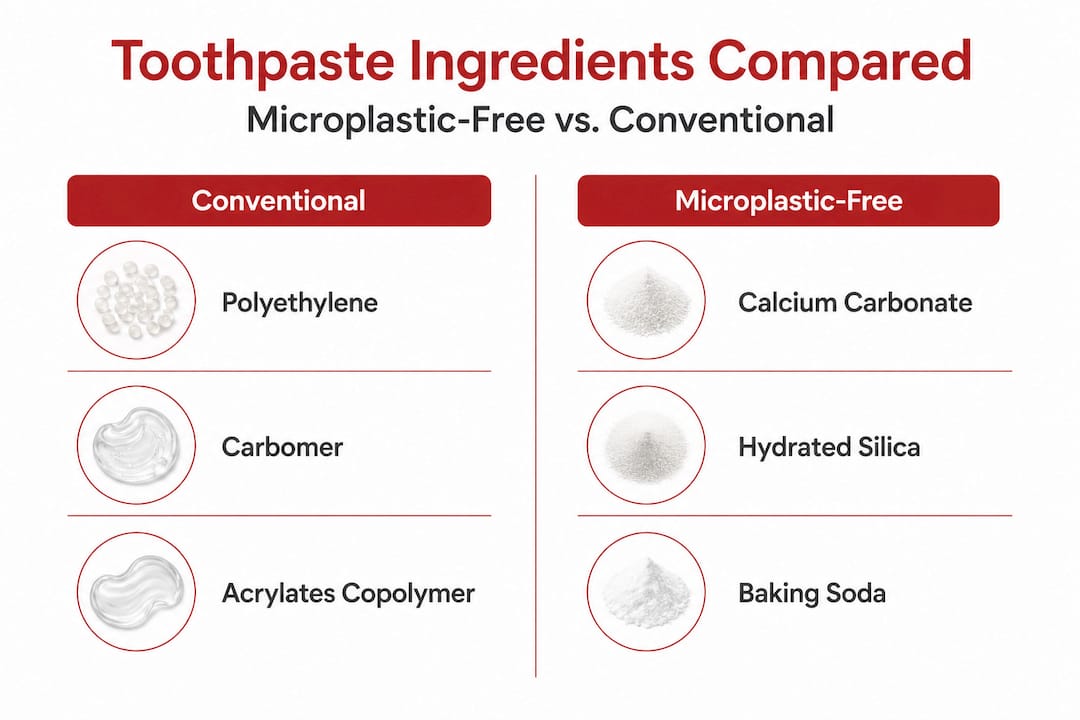
Several well-regarded brands in the natural oral care market continue to include carbomer, acrylates copolymer, or PEG compounds in formulations that are simultaneously marketed as free from artificial additives. These ingredients are synthetic polymers by definition, even when present at low concentrations or in a non-particulate form. Their inclusion does not align with a scientifically rigorous definition of microplastic-free, even if they are not currently classified as microplastics under all regulatory frameworks.
The most actionable response to these gaps is direct engagement with the ingredients list, every time, for every product. Understanding how botanical ingredients enhance fluoride-free toothpaste provides additional context for evaluating whether the active ingredients in a given formula reflect a genuinely evidence-based natural formulation philosophy, or whether botanical claims are used as marketing cover for an otherwise synthetic ingredient profile.
Discover microplastic-free toothpaste alternatives
Identifying a genuinely microplastic-free toothpaste requires moving from awareness to action by applying the verification steps outlined throughout this guide to your current and future product choices.
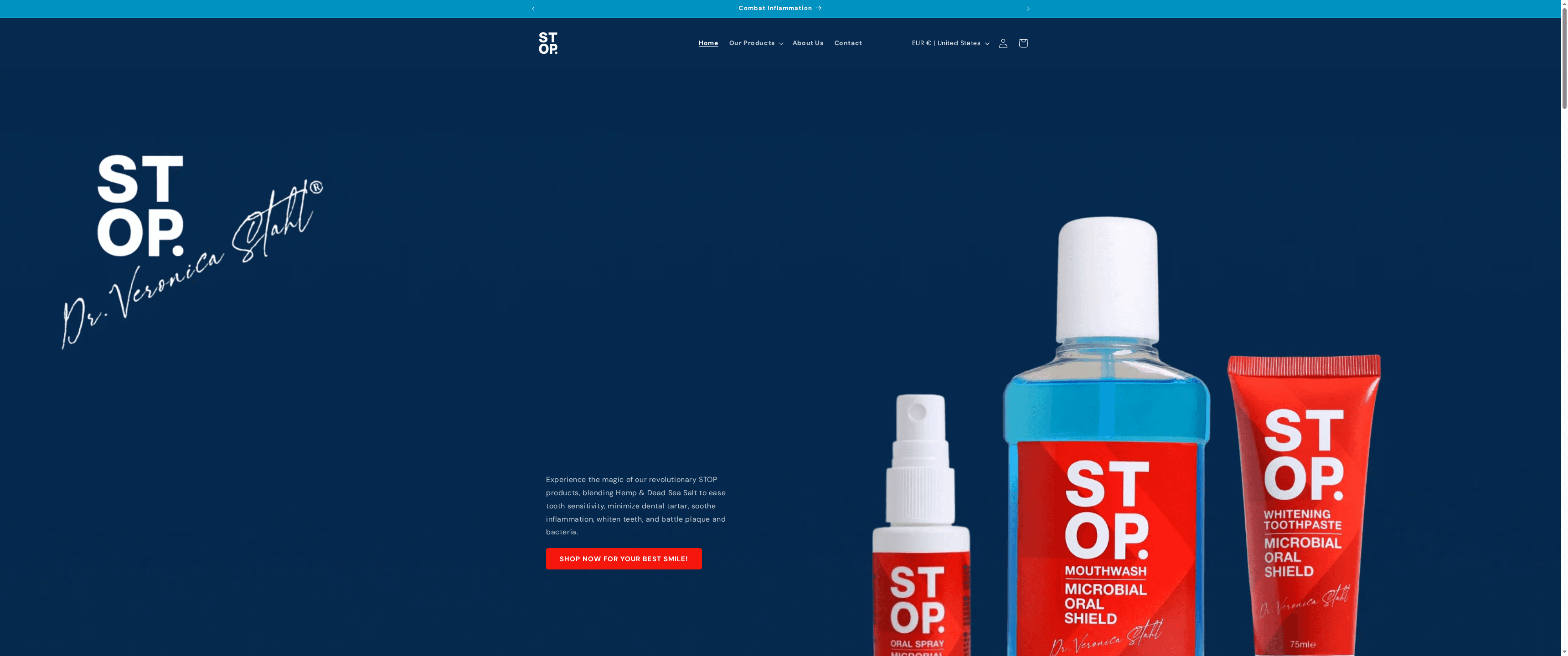
Stop Oral Care offers a rigorously formulated line of fluoride-free oral care products developed under the direction of Dr. Veronica Stahl, integrating Dead Sea minerals, hemp-derived actives, and naturally sourced abrasives without synthetic polymer ingredients. Each formulation is designed to meet the scientific and environmental standards discussed in this guide. If you are ready to verify ingredients, compare certifications, and select products aligned with your values and oral health objectives, the Stop Oral Care product range represents a transparent and evidence-based starting point for your oral care transition.
Frequently asked questions
What are microplastics in toothpaste?
Microplastics are intentionally added synthetic polymers, including polyethylene, polypropylene, PMMA, nylon, PET, acrylates copolymer, carbomer, and PEG compounds, incorporated into toothpaste formulations as abrasives, texturizers, and binding agents.
How can I tell if my toothpaste is microplastic-free?
Examine the complete INCI ingredients list for known synthetic polymers and verify the product against a recognized third-party certification, because some “plastic-free” labels refer exclusively to packaging rather than to the formulation.
Are natural abrasives in toothpaste safer for teeth?
Natural abrasives are generally gentler on enamel than plastic beads, but effective use requires appropriate dosing calibrated to the individual’s oral health needs and the product’s relative dentin abrasivity (RDA) value.
What impact do microplastics in toothpaste have on the environment?
Research indicates that up to 4,000 particles per brushing are released when using polyethylene-containing toothpaste, with national annual contributions reaching billions of grams, creating a substantial and persistent burden on aquatic ecosystems.
Is “plastic-free” toothpaste packaging a guarantee of a microplastic-free formula?
No. As documented by plasticdetox.org, plastic-free packaging claims do not extend to the product formula, and independent verification of the complete ingredients list remains the only reliable method of confirming microplastic-free status.
Recommended
- Choosing Toothpaste Without Titanium Dioxide: A Comprehensive Guide – Stop Oral Care
- Step-by-Step Guide to Choosing Fluoride-Free Toothpaste – Stop Oral Care
- Natural Toothpaste Reviews: A Comprehensive Guide to Choosing the Best – Stop Oral Care
- Silica Free Toothpaste: A Complete Guide to Choosing, Using, and Makin – Stop Oral Care