

TL;DR:
- Gum sensitivity often results from irritants like SLS, alcohol, and flavorings found in commercial products. Eliminating these triggers and applying natural remedies such as aloe vera, clove oil, and saltwater rinses can provide relief. A structured daily routine focused on gentle mechanical cleaning and addressing systemic factors promotes long-term gingival health and comfort.
Gum sensitivity is among the most persistent and clinically relevant concerns in everyday oral health, yet many individuals find that standard commercial products fail to deliver consistent, lasting relief. Conventional toothpastes and mouthwashes frequently contain sodium lauryl sulfate (SLS), alcohol, and synthetic flavorings, all of which may exacerbate tissue inflammation rather than resolve it. This article presents an evidence-based framework covering identification of irritant triggers, clinically supported natural remedies, comparative product analysis, and structured daily care protocols, offering a methodical approach to managing gum sensitivity through fluoride-free, natural oral care strategies.
Table of Contents
- How to identify and avoid gum sensitivity triggers
- Top 7 natural remedies for soothing sensitive gums
- Comparing natural remedies and oral care products for sensitive gums
- Building a gentle daily oral care routine
- The overlooked truth about soothing sensitive gums
- Take the next step toward comfortable, healthy gums
- Frequently asked questions
Key Takeaways
| Point | Details |
|---|---|
| Know the triggers | Recognizing and avoiding common irritants is the first step to soothing sensitive gums. |
| Use natural remedies | Clove oil, aloe vera, and turmeric paste offer safe, science-backed relief for mild gum pain. |
| Pair with good hygiene | Home remedies alone aren’t enough—combine with gentle brushing and flossing for long-term comfort. |
| Choose gentle products | Look for fluoride-free and hypoallergenic oral care to avoid aggravating sensitive gum tissue. |
How to identify and avoid gum sensitivity triggers
Effective management of gum sensitivity requires first identifying and eliminating the chemical and mechanical agents responsible for tissue irritation. Many individuals continue using products that actively aggravate their condition, which prevents any soothing regimen from achieving its intended outcome. Understanding why gum sensitivity occurs at the biochemical level helps contextualize why certain ingredients cause such pronounced reactions in susceptible individuals.
The most clinically significant irritants found in widely available oral care products include:
- Sodium lauryl sulfate (SLS): A surfactant present in the majority of commercial toothpastes, SLS disrupts the mucosal barrier of gingival tissue (gum tissue), increasing permeability and inflammation.
- Alcohol-based rinses: Ethanol, used as a preservative and antimicrobial agent in many mouthwashes, desiccates (dries out) oral mucosa and disrupts the natural microbial ecosystem of the oral cavity.
- Cinnamon and peppermint flavorings: These flavoring agents, though widely perceived as benign, are among the more common contact allergens in oral care. Cinnamon aldehyde in particular has a well-documented association with oral contact sensitivity reactions.
- Triclosan and chlorhexidine (long-term): While effective antimicrobials, chronic exposure can disrupt healthy commensal oral flora and cause tissue staining or desensitization loss over time.
- Whitening agents: Hydrogen peroxide and carbamide peroxide, found in many whitening toothpastes and strips, are known to increase dentinal and gingival sensitivity, particularly with repeated high-concentration exposure.
According to the AAOM Clinical Practice Statement, SLS, alcohol, and flavorings such as cinnamon can trigger allergic responses that manifest as oral sensitivity. The practical implication is straightforward: switching to hypoallergenic products may, in itself, produce measurable relief before any active soothing agent is introduced.
“Oral contact allergy reactions may be caused by a range of ingredients in dental products, including surfactants, preservatives, and flavoring compounds. Patients with recurrent oral sensitivity should undergo ingredient evaluation before initiating treatment.” — AAOM Clinical Practice Statement on Oral Contact Allergy
Pro Tip: When evaluating a new oral care product, scan the ingredient list for SLS, ethanol, and any aldehyde-containing flavoring compounds. Selecting products marketed specifically for sensitive or hypoallergenic use, and cross-referencing their ingredient profiles with guidance on safe mouthwash ingredients, significantly reduces the likelihood of reactive episodes.
Removing confirmed irritants is the foundational first step. No soothing remedy, however effective, can overcome the continuous insult of an offending ingredient applied twice daily to already-inflamed tissue.
Top 7 natural remedies for soothing sensitive gums
With established irritants eliminated, attention can shift to active, evidence-supported natural interventions. The following remedies have been evaluated in the peer-reviewed literature for their anti-inflammatory, antimicrobial, or analgesic properties when applied to gingival tissue. For a broader review, consult the resource on natural gum remedies.
Natural remedies including clove oil, aloe vera, and turmeric provide anti-inflammatory and numbing effects that offer temporary but meaningful relief from gum discomfort.
-
Clove oil (Syzygium aromaticum extract) Eugenol, the active compound in clove oil, functions as a natural analgesic and anti-inflammatory agent. Application involves diluting 2 to 3 drops in a carrier oil (such as fractionated coconut oil) and applying with a cotton swab directly to the affected gingival tissue. Contact time of 2 to 3 minutes is typically sufficient. Avoid application to broken or ulcerated tissue without professional guidance.
-
Aloe vera gel Acemannan, a polysaccharide found in Aloe barbadensis gel, demonstrates significant anti-inflammatory activity in gingival tissue. Pharmaceutical-grade aloe vera gel, free from added colorants and alcohol, can be applied topically to sensitive areas and left in place for several minutes. Studies indicate it is well tolerated and produces minimal adverse effects in oral tissue.
-
Turmeric paste Curcumin (the active polyphenol in turmeric) has been studied for its inhibition of cyclooxygenase (COX) pathways, which are directly involved in the inflammatory cascade in gum tissue. A paste made from turmeric powder and water, applied for 5 to 10 minutes, functions as a mild topical anti-inflammatory. Note that turmeric causes temporary staining; rinse thoroughly post-application.
-
Saltwater rinse A 0.9% saline solution (approximately one-half teaspoon of non-iodized salt per 8 ounces of warm water) creates a mildly hypertonic environment that draws excess fluid from inflamed tissue, reducing swelling. This is among the most accessible and broadly applicable remedies for acute gum sensitivity episodes.
-
Cold compress Applied externally to the jaw for 10 to 15 minutes, a cold compress reduces localized vasodilation and temporarily numbs gingival nerve endings. This approach is particularly effective in the context of post-procedural sensitivity or trauma-related inflammation.
-
Green tea rinse Epigallocatechin gallate (EGCG), a catechin abundant in green tea, exhibits antimicrobial properties against periodontal pathogens including Porphyromonas gingivalis. Brewing a strong, unsweetened green tea and allowing it to cool before use as a rinse (30 to 60 seconds) delivers catechins directly to gingival tissue.
-
Coconut oil pulling This Ayurvedic practice involves swishing 1 tablespoon of virgin coconut oil in the mouth for 10 to 20 minutes before spitting. The lauric acid content of coconut oil demonstrates documented antimicrobial activity, and some clinical evidence supports its role in reducing gingival inflammation and plaque indices.
Pro Tip: When experiencing an acute sensitivity episode, combining a saltwater rinse for inflammation reduction with a targeted clove oil application provides complementary mechanisms of action. Avoid using multiple essential oil-based remedies simultaneously without first confirming individual ingredient tolerability, as cumulative exposure to bioactive compounds can occasionally produce mucosal irritation.

Comparing natural remedies and oral care products for sensitive gums
After identifying appropriate natural interventions, contextualizing their utility relative to commercial oral care products facilitates more precise, individualized decision-making. Reviewing a mouthwash ingredient guide alongside product specifications provides a practical basis for this comparison.
| Option | Effectiveness for pain | Plaque removal | Cost | Convenience | Long-term use |
|---|---|---|---|---|---|
| Saltwater rinse | Moderate | None | Very low | High | Safe indefinitely |
| Clove oil | High (acute) | None | Low | Moderate | Short-term only |
| Aloe vera gel | Moderate to high | None | Low | Moderate | Generally safe |
| Turmeric paste | Moderate | None | Low | Low | Short-term |
| Specialty fluoride-free toothpaste | Moderate | High | Moderate | High | Designed for daily use |
| Alcohol-free sensitive mouthwash | Moderate | Low to moderate | Moderate | High | Daily use appropriate |
| Standard commercial toothpaste | Low (may worsen) | High | Low | High | Not recommended for sensitive gums |
As documented in the clinical literature, home remedies provide symptomatic relief but do not remove plaque or calculus (tartar). Pairing them with mechanical cleaning methods such as flossing or oral irrigation remains essential for comprehensive gingival health. For detailed mouthwash comparisons, structured reviews by ingredient class are available.
Additionally, reviewing available dental benefits through employer programs can offset the cost of professional care and specialty products, making consistent management more financially accessible.
The following scenarios illustrate appropriate use of each option type:
- Emergency acute pain episode: Clove oil or cold compress for immediate, temporary relief.
- Daily maintenance: Alcohol-free, SLS-free toothpaste combined with a gentle natural mouthwash.
- Travel or limited access to products: Saltwater rinse and coconut oil pulling require only widely available ingredients.
- Post-procedural sensitivity: Cold compress externally, followed by aloe vera gel application and saline rinse.
- Chronic low-grade sensitivity: Green tea rinse and a consistent, hypoallergenic daily oral care routine tailored to gingival tissue tolerance.
Building a gentle daily oral care routine
Selecting appropriate remedies and products represents only the first phase of effective gum sensitivity management. Sustained improvement depends upon consistent application within a structured daily protocol. The following routine integrates both mechanical hygiene and targeted soothing strategies, drawing from guidance on natural soothing methods and evidence-based principles for protecting sensitive gums.
- Morning brushing: Use a soft-bristle toothbrush with an SLS-free, fluoride-free toothpaste. Apply minimal pressure (the bristles should not visibly flex) and use small circular motions rather than horizontal scrubbing. Duration should be at least two minutes.
- Interdental cleaning: Use waxed floss or a water flosser (oral irrigator) to remove biofilm and food debris from interproximal spaces (the areas between teeth). For individuals with pronounced sensitivity, a low-pressure water flosser generates less mechanical trauma than floss.
- Soothing rinse application: Follow brushing and flossing with an alcohol-free, natural mouthwash formulated for sensitive tissue. Rinse for 30 to 60 seconds, ensuring contact with the entire gingival margin.
- Targeted remedy application (as needed): If localized sensitivity is present, apply aloe vera gel or diluted clove oil to affected areas post-rinse. Allow the agent to remain in contact with tissue for at least 2 to 3 minutes before swallowing or rinsing.
- Evening repeat: Replicate the morning protocol. Evening application of targeted soothing agents is often more effective as prolonged contact time overnight (without subsequent eating or drinking) enhances tissue absorption.
For updated protocols and product category recommendations, the oral hygiene tips for 2026 resource provides current evidence-informed guidance.
| Care step | Recommended product type | Frequency |
|---|---|---|
| Brushing | Soft-bristle brush, SLS-free toothpaste | Twice daily |
| Interdental cleaning | Waxed floss or water flosser | Once daily |
| Mouthwash | Alcohol-free, natural formula | Twice daily |
| Targeted soothing | Aloe vera gel or clove oil (diluted) | As needed, up to twice daily |
| Saline rinse | 0.9% saline solution | As needed |
Aggressive brushing remains one of the most common and damaging errors in individuals managing gum sensitivity. Mechanical trauma from improper brushing technique can cause gingival recession (gum tissue pulling away from the tooth), which both worsens sensitivity and is largely irreversible without surgical intervention. Consistent, gentle technique applied daily produces superior long-term outcomes compared to intensive but inconsistent care.
The overlooked truth about soothing sensitive gums
The clinical literature on gingival sensitivity management, and the practical experience of dental professionals who work with sensitive-gum patients daily, reveals a pattern that deserves direct acknowledgment: many individuals accumulate remedies and products without achieving lasting comfort. They rotate between clove oil, aloe vera, multiple rinses, and specialty toothpastes, yet their symptoms persist. The root cause of this pattern is not product inadequacy. It is the absence of root-cause resolution.
Stacking soothing agents on top of unresolved triggers, persistent biofilm accumulation, or undiagnosed systemic inflammation produces only transient relief. The tissue is soothed, then re-irritated, then soothed again. This cycle, while not harmful in itself, prevents genuine tissue recovery and creates the erroneous impression that natural remedies are insufficient. They are not insufficient. They are being applied without addressing what made the tissue vulnerable in the first place.
The more productive clinical approach is to stabilize the tissue environment before introducing soothing interventions. This means identifying and removing every confirmed irritant in the oral care routine, establishing consistent mechanical plaque removal, and allowing gingival tissue a recovery period of at least two to four weeks before evaluating remedy efficacy. Frequent product switching during this window resets the tissue response and invalidates the assessment.
Another commonly overlooked factor is systemic inflammatory burden. Nutritional deficiencies (particularly vitamin C, vitamin D, and magnesium), blood glucose dysregulation, and hormonal fluctuations all manifest in gingival tissue reactivity. A natural oral care routine that does not account for these systemic contributors will produce suboptimal outcomes regardless of product quality.
The consistent, evidence-based principle is this: treat the cause, maintain the tissue, then apply targeted support. Gum sensitivity managed through this framework responds reliably and durably. The goal is not to minimize discomfort indefinitely. It is to restore the tissue to a state in which extraordinary measures are no longer necessary.
Take the next step toward comfortable, healthy gums
For individuals seeking a structured, evidence-supported approach to gum sensitivity, the educational resources and product formulations available through Stop Oral Care provide a scientifically grounded starting point.

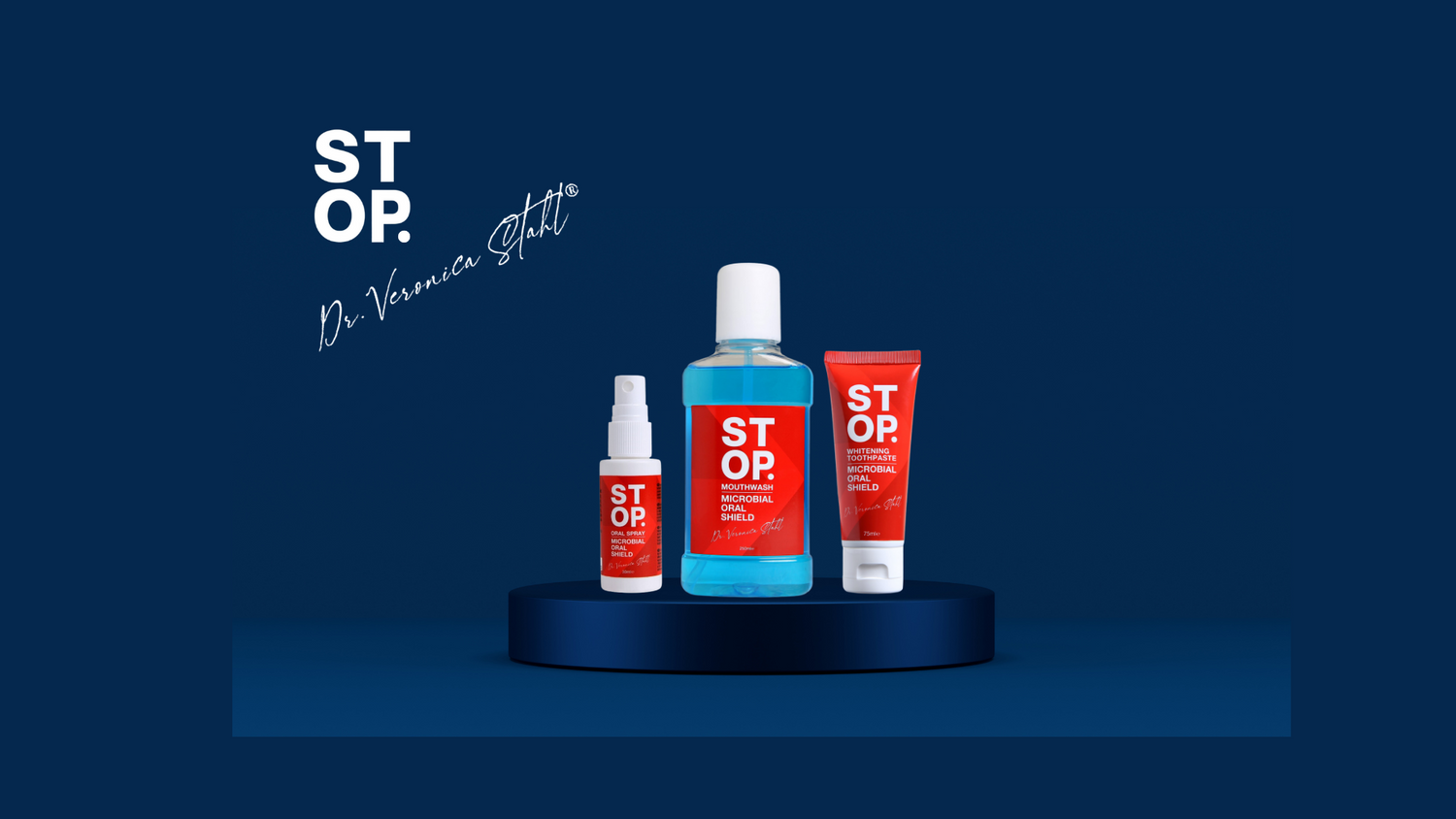
Stop Oral Care offers a curated line of natural oral care products specifically formulated for sensitive gingival tissue, including fluoride-free toothpastes, alcohol-free mouthwashes, and oral sprays incorporating hemp-derived compounds and Dead Sea minerals. Each formulation is developed with ingredient transparency in mind. The mouthwash ingredient guide on the site supports informed product selection by identifying which compounds are safe, which to avoid, and why the distinction matters for tissue with compromised barrier function. Applied alongside the routines and remedies outlined in this article, these resources support both immediate comfort and long-term gingival health.
Frequently asked questions
What is the fastest way to soothe sensitive gums naturally?
Applying clove oil for numbing or using a cold compress are among the most reliably fast natural interventions, as both act directly on inflamed nerve endings and gingival tissue within minutes of application.
Are home remedies enough to prevent gum disease?
Home remedies address symptomatic discomfort but, as noted in clinical guidelines, do not remove plaque or calculus. They must be combined with consistent mechanical cleaning and professional monitoring to prevent progressive periodontal disease.
Which ingredients in mouthwash should I avoid if I have sensitive gums?
Individuals with sensitive gums should avoid SLS, ethanol (alcohol), and flavoring compounds such as cinnamon aldehyde, as the AAOM confirms these trigger contact allergic responses and oral mucosal sensitivity in susceptible individuals.
Can sensitive gums be a sign of a more serious problem?
Yes. Persistent gum sensitivity unresponsive to conservative care may indicate underlying periodontal disease, systemic inflammatory conditions, or nutritional deficiencies, and warrants evaluation by a qualified dental professional for differential diagnosis.
Recommended
- How to Soothe Sensitive Gums Naturally: Safe Methods – Stop Oral Care
- Smart tips for protecting sensitive gums naturally – Stop Oral Care
- 7 Examples of Safe Mouthwash Ingredients for Sensitive Gums – Stop Oral Care
- How to relieve sensitive gums: 7 natural remedies – Stop Oral Care
- Cómo revitalizar labios sensibles de forma segura y efectiva