

TL;DR:
- Preservative-free mouthwashes avoid harsh chemicals like parabens and sodium benzoate that can cause mucosal reactions.
- They are especially beneficial for sensitive individuals, dry mouth sufferers, and those seeking natural oral care options.
- Natural antimicrobial agents in preservative-free formulas offer comparable efficacy, with shorter shelf life being the main tradeoff.
Most people assume that any mouthwash sold in a pharmacy is inherently safe. That assumption, while understandable, overlooks a category of ingredients that routinely appear in conventional oral rinses: chemical preservatives. Compounds such as parabens and sodium benzoate are added to extend shelf life and prevent microbial contamination in the bottle, yet contact stomatitis and mucosal reactions are documented adverse outcomes in sensitive individuals. Preservative-free mouthwash offers a formulation pathway that eliminates these additives while relying on naturally derived antimicrobial agents. This article examines what preservative-free mouthwash is, which populations benefit most, how it compares in efficacy, and how to select the most appropriate product.
Table of Contents
- What are preservatives in mouthwash and why are they used?
- Who benefits most from preservative-free mouthwash?
- Are preservative-free mouthwashes as effective as preserved types?
- How to choose the best preservative-free mouthwash
- Why preservative-free mouthwash signals a new era in oral care
- Experience the benefits of preservative-free oral care today
- Frequently asked questions
Key Takeaways
| Point | Details |
|---|---|
| Gentler for sensitive mouths | Preservative-free mouthwashes reduce the risk of irritation and allergic reactions. |
| Effective natural ingredients | Natural alternatives often use essential oils or xylitol that protect oral health without harsh chemicals. |
| Suitable for daily use | Most preservative-free mouthwashes are safe and effective for everyday oral care routines. |
| Check your labels | Learning to spot preservatives means you can confidently choose products that match your sensitivities and values. |
What are preservatives in mouthwash and why are they used?
Preservatives are chemical agents incorporated into oral rinse formulations primarily to extend product shelf life and prevent bacterial or fungal contamination during storage and repeated consumer use. Without them, water-based products such as mouthwash would be susceptible to microbial growth within days of opening. From a manufacturing perspective, preservatives reduce product recalls, support longer distribution chains, and maintain consistent formulation integrity.
The most frequently encountered preservatives in commercially available mouthwash include the following:
- Parabens (methylparaben, propylparaben): Synthetic esters used for broad-spectrum antimicrobial activity against bacteria and fungi.
- Sodium benzoate: A salt of benzoic acid, widely used in both food and personal care products as a mold and yeast inhibitor.
- Potassium sorbate: Commonly used in combination with other preservatives to broaden antimicrobial coverage.
- Benzalkonium chloride: A quaternary ammonium compound that also functions as a surfactant and antiseptic.
While these compounds fulfill a legitimate technical function, their presence in products applied to oral mucosal tissue introduces potential adverse outcomes. Per ADA guidance on mouthwash ingredients, consumers should review ingredient labels carefully, particularly when managing existing oral conditions.
Clinical literature documents that parabens and sodium benzoate in oral care products can trigger contact stomatitis, cheilitis, and other mucosal reactions, with substitution of the offending agent recommended as the primary management strategy. These reactions may present as burning sensations, erythema, ulceration, or generalized oral discomfort, symptoms that are frequently misattributed to other causes.
It is also worth noting that preservatives appear not only in budget formulations but also in products marketed as “advanced” or “clinical strength.” The label designation does not correlate with the absence of synthetic preservatives. Consumers seeking gentle toothpaste recommendations and mouthwash without these additives must actively scrutinize ingredient lists rather than rely on front-of-package claims.
With the context of what is in most mouthwashes established, the next consideration is which individuals benefit most from preservative-free alternatives.
Who benefits most from preservative-free mouthwash?
Not every individual experiences adverse effects from preserved mouthwash formulations. However, specific populations carry a substantially elevated risk of sensitivity or intolerance, and for these groups, preservative-free options represent a clinically meaningful alternative rather than a discretionary preference.
The following categories of individuals are most likely to benefit:
- Individuals with oral mucosal sensitivities: Those prone to recurrent aphthous ulcers (canker sores), oral lichen planus, or contact stomatitis face a higher risk of symptom exacerbation from preservative-containing rinses.
- Patients with xerostomia (dry mouth): Reduced salivary flow diminishes the oral cavity’s natural buffering and dilution capacity, making the mucosa more vulnerable to chemical irritants.
- Those with documented allergies to parabens or benzoates: Systemic and topical allergic reactions to these compounds are well-documented in dermatological and oral medicine literature.
- Natural and fluoride-free advocates: Individuals following a fluoride-free care workflow typically seek formulations free from synthetic additives across all product categories.
- Pediatric patients and pregnant individuals: These groups often require milder formulations with minimal chemical load.
A growing body of consumer health data indicates that oral sensitivity is increasingly reported among adults, with mouthwash for sensitivities becoming a recognized product subcategory in clinical and retail settings. This trend reflects both increased consumer awareness and a genuine rise in reported mucosal complaints.
Preservative-free formulations are gentler for sensitive mouths, dry mouth conditions, and those seeking fluoride-free options, relying on natural antimicrobials such as essential oils or xylitol rather than synthetic preservatives. These ingredients maintain antimicrobial activity without the irritation profile associated with parabens or sodium benzoate. For those exploring the benefits of fluoride-free care, preservative-free mouthwash aligns naturally with a broader commitment to reduced chemical exposure.
Statistic note: A growing number of adults report increased oral sensitivity, driving demand for preservative-free and natural oral care products across both retail and clinical channels.
Pro Tip: Always review the full ingredient list, not just the front label claims. Terms such as “natural” or “herbal” do not guarantee the absence of synthetic preservatives.
Now that the most affected populations have been identified, the critical question becomes whether preservative-free mouthwashes actually deliver comparable clinical effectiveness.
Are preservative-free mouthwashes as effective as preserved types?
Efficacy is the central concern when evaluating any shift in oral care formulation. Consumers and clinicians alike reasonably ask whether removing preservatives compromises antimicrobial performance or overall oral hygiene outcomes.
Current evidence suggests the answer is no. Natural alternatives show comparable antimicrobial efficacy without the irritation risks associated with conventional preservatives, though direct head-to-head empirical studies comparing preservative-free and preserved mouthwashes remain limited in the published literature. What is available indicates that naturally derived antimicrobial agents perform well across standard oral health parameters.
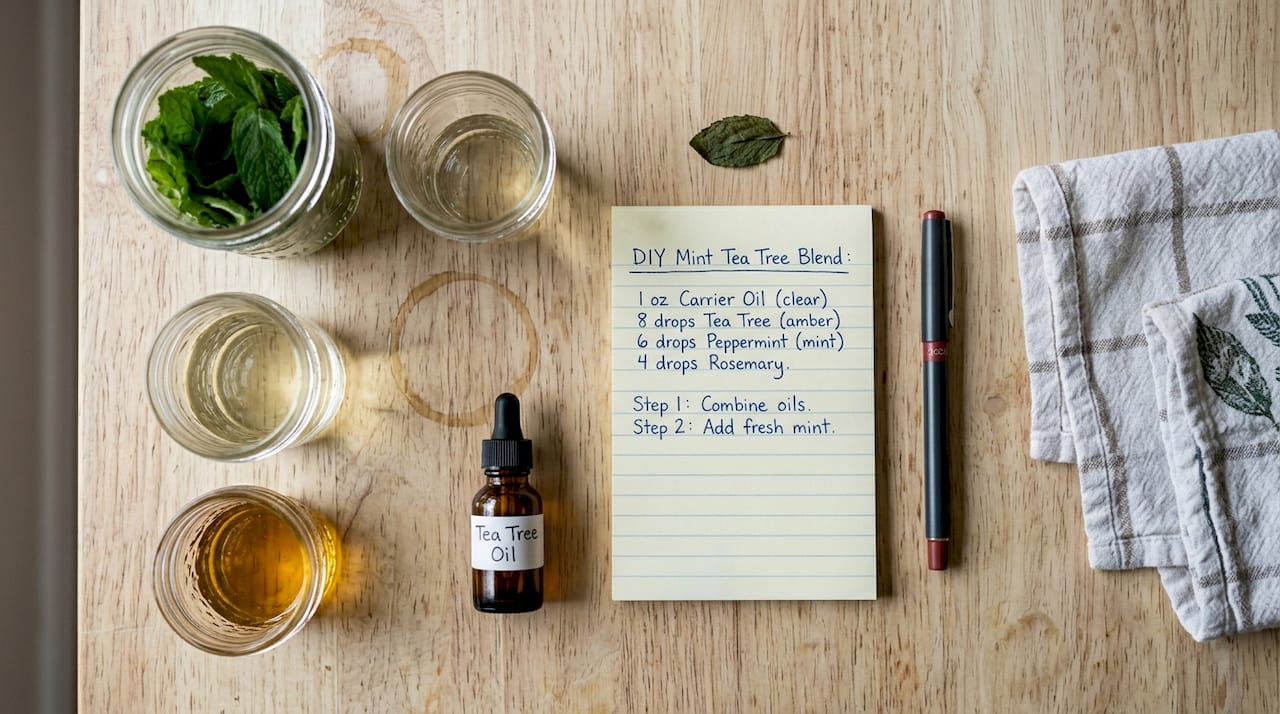
Key natural antimicrobial agents used in preservative-free formulations include essential oils such as tea tree, peppermint, and eucalyptol, as well as xylitol, which inhibits Streptococcus mutans adhesion and reduces cariogenic biofilm formation. These ingredients address the same microbial targets as synthetic preservatives but without the associated mucosal irritation risk.
The following table summarizes a comparative overview of preserved versus preservative-free mouthwash formulations:
| Feature | Preserved mouthwash | Preservative-free mouthwash |
|---|---|---|
| Antimicrobial efficacy | Established | Comparable via natural agents |
| Shelf life | Longer (12-24 months) | Shorter (6-12 months typical) |
| Irritation risk | Moderate to high (sensitive users) | Low |
| Ingredient transparency | Variable | Generally higher |
| Suitability for sensitive users | Limited | Preferred |
“For most patients, the clinical benefits of mouthwash must be weighed against formulation risks. Natural preservative-free options increasingly perform well for general oral health maintenance, particularly in sensitive populations.” This perspective is increasingly reflected in recommendations from clinicians reviewing natural gum disease mouthwashes and natural actives in mouthwash.
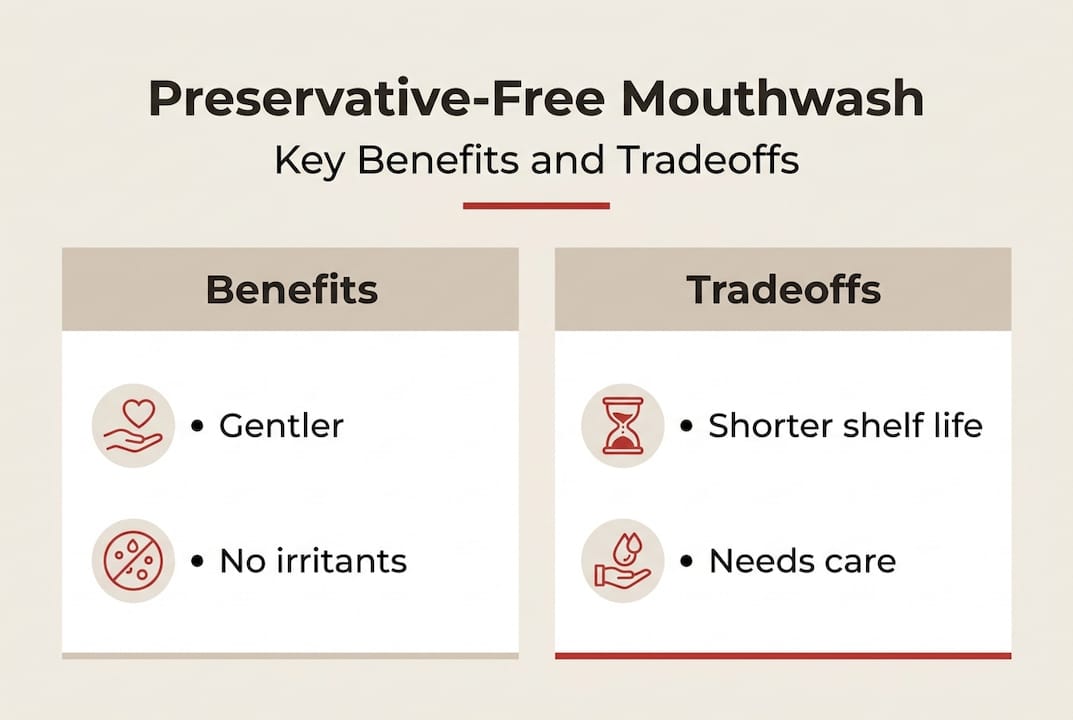
The shelf life differential is the most substantive practical tradeoff. Preservative-free products require more attentive storage and more frequent replacement, but for individuals experiencing chronic oral irritation from preserved formulations, this is generally an acceptable compromise.
If preservative-free options are effective, the next practical question is how to identify and select the best available product.
How to choose the best preservative-free mouthwash
Selecting a quality preservative-free mouthwash requires systematic label evaluation and an understanding of which ingredients signal genuine formulation integrity versus marketing language.
Follow these steps when evaluating a product:
- Read the full ingredient list: Look for the absence of methylparaben, propylparaben, sodium benzoate, potassium sorbate, and benzalkonium chloride. Front-label claims are insufficient verification.
- Identify natural antimicrobial agents: Effective preservative-free formulations rely on essential oils or xylitol as active antimicrobial components, both of which are effective without major irritation risk.
- Check for alcohol content: Many conventional mouthwashes use alcohol as both a preservative and antimicrobial. Alcohol-free and preservative-free formulations are preferable for those with dry mouth or mucosal sensitivity.
- Assess flavor and aftertaste: Natural flavoring agents such as peppermint oil or spearmint provide freshness without synthetic flavor enhancers that may themselves cause sensitivity.
- Verify storage requirements: Some preservative-free products require refrigeration after opening. Confirm that the storage conditions are practical for your routine.
- Cross-reference with natural gum disease remedies and clinical guidance when managing specific oral conditions.
The following table outlines key ingredient categories and their functional roles in preservative-free formulations:
| Ingredient category | Example compounds | Primary function |
|---|---|---|
| Natural antimicrobials | Tea tree oil, eucalyptol, xylitol | Microbial inhibition |
| Humectants | Glycerin, aloe vera | Moisture retention, mucosal comfort |
| Flavoring agents | Peppermint oil, spearmint | Breath freshness |
| Dead Sea minerals | Magnesium, potassium chloride | Tissue support, mineral balance |
| Hemp-derived actives | CBD, hemp seed oil | Anti-inflammatory support |
For those switching to fluoride-free dental care more broadly, preservative-free mouthwash is a logical complement to a complete natural oral care routine. Additionally, preserving the oral microbiome is a consideration that further supports choosing formulations with targeted rather than broad-spectrum antimicrobial activity.
Pro Tip: Begin with a small or travel-sized bottle when trying a new preservative-free mouthwash. This allows you to assess personal tolerance, flavor compatibility, and any mucosal response before committing to a full-size product.
Why preservative-free mouthwash signals a new era in oral care
The rise of preservative-free oral care products is not a transient consumer trend. It reflects a structural shift in how informed individuals evaluate the safety and composition of products applied to sensitive mucosal tissue daily. The oral cavity is not a passive surface; it is a dynamic biological environment where repeated chemical exposure accumulates over time.
For decades, the oral care industry prioritized shelf stability and manufacturing convenience over formulation minimalism. Synthetic preservatives were the default solution because they were inexpensive, effective, and broadly accepted. The growing demand for preservative-free alternatives signals that consumers are no longer accepting that tradeoff without scrutiny.
For individuals with sensitivities, this is not a lifestyle preference. It is access to effective care without the burden of managing iatrogenic irritation. Niche innovators, including those developing formulations with hemp-derived actives and Dead Sea minerals, are demonstrating that fluoride-free dental hygiene and preservative-free formulations can coexist with clinical-grade performance. Mainstream brands have been comparatively slow to adapt, but the clinical and consumer evidence is increasingly difficult to ignore.
Experience the benefits of preservative-free oral care today
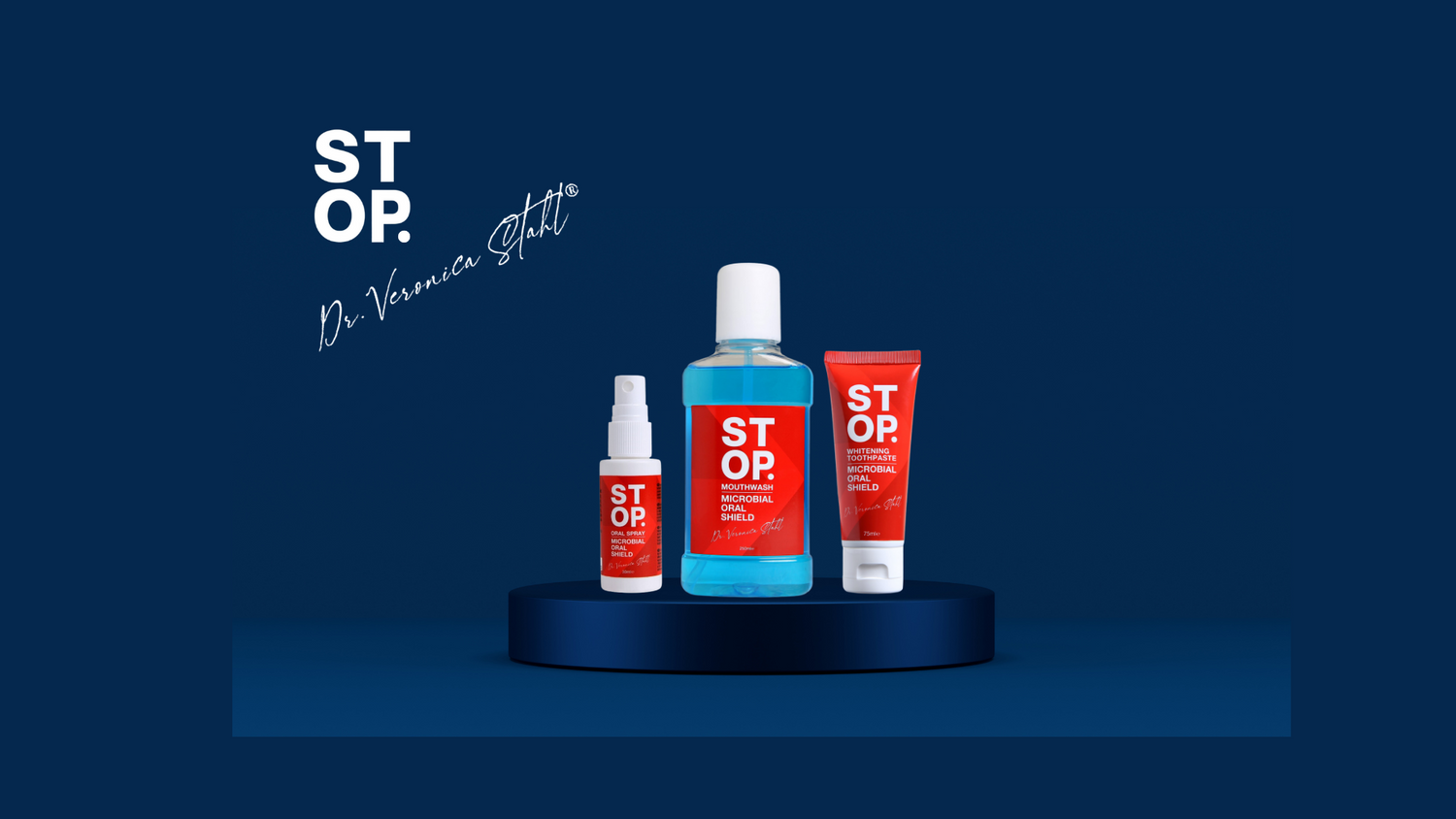
For individuals seeking oral care formulations that eliminate synthetic preservatives without sacrificing antimicrobial efficacy, the product range at Stop Oral Care offers a scientifically supported starting point.
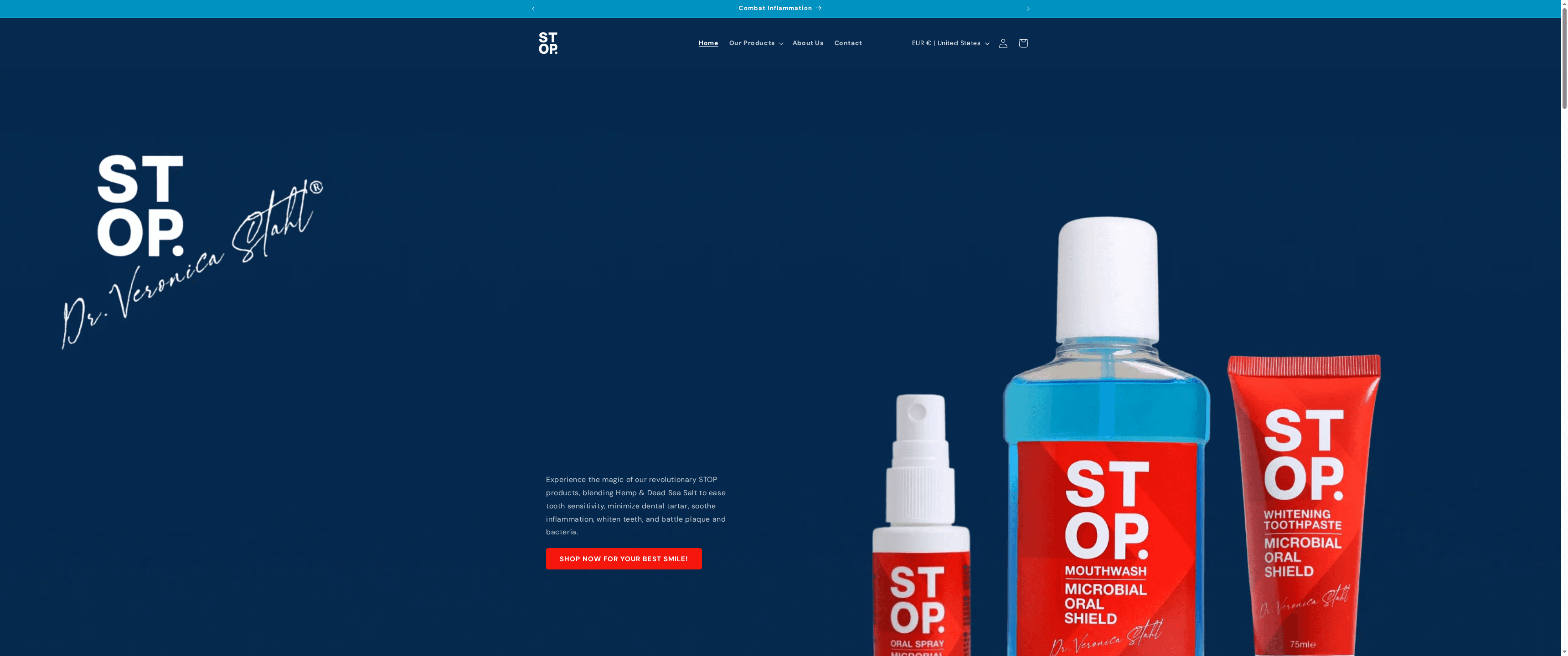
Stop Oral Care develops fluoride-free mouthwash, toothpaste, and oral sprays formulated with hemp-derived actives and Dead Sea minerals, specifically designed for health-conscious individuals and those with oral sensitivities. Each product is developed under the guidance of Dr. Veronica Stahl, with an emphasis on ingredient transparency and natural antimicrobial activity. Explore the full range of preservative-free mouthwash options and supporting educational resources on fluoride-free and preservative-free oral care routines available on the website.
Frequently asked questions
What ingredients should I avoid in mouthwash if I have sensitive gums?
Avoid parabens, sodium benzoate, and synthetic dyes, as parabens and sodium benzoate can trigger mucosal reactions including contact stomatitis and cheilitis in sensitive individuals. Alcohol-based rinses may also exacerbate gum sensitivity and should be avoided when xerostomia or mucosal fragility is present.
Is preservative-free mouthwash safe for daily use?
Yes, preservative-free formulations that rely on natural antimicrobials such as essential oils or xylitol are generally well-tolerated for daily use. Individuals with specific oral conditions should confirm product suitability with their dental clinician.
Are there studies showing preservative-free mouthwash works as well as regular types?
Natural alternatives show comparable antimicrobial efficacy without the irritation risks of conventional preserved formulations, though large-scale direct comparative trials remain an area for further research. Available evidence supports their use for general oral health maintenance.
Can children or pregnant women use preservative-free mouthwash?
Preservative-free options are often preferred for children or pregnant women due to their milder formulation profiles and reduced synthetic chemical load. Consultation with a qualified dental or medical professional is recommended before introducing any new oral care product in these populations.
Recommended
- Alcohol Free Mouthwash Benefits: 5 Reasons to Make the Switch Today – Stop Oral Care
- Why Use Plant-Based Mouthwash for Oral Health – Stop Oral Care
- Is Alcohol-Free Mouthwash Better? A Practical Guide to Choosing the Ri – Stop Oral Care
- Best Mouthwash for Receding Gums: Top Picks for Healthy Gums in 2026 – Stop Oral Care
- Essential Tips for a Healthy Smile | Monteluzspecialty