

TL;DR:
- Therapeutic oral care is a structured, evidence-based approach that manages or prevents oral diseases. It involves combining mechanical cleaning with targeted chemical agents like xylitol and nano-hydroxyapatite. Consistency and protocol structure are key to achieving true oral health benefits naturally.
Most people assume oral care means brushing twice daily and flossing occasionally. That assumption leaves a significant gap between basic hygiene and genuine oral health management. Therapeutic oral care is a structured, science-backed discipline that targets oral diseases, restores microbial balance, and prevents long-term tissue damage. For individuals seeking fluoride-free and natural alternatives, this distinction is especially consequential. Understanding how therapeutic protocols differ from routine cleaning clarifies why ingredient selection, application frequency, and product formulation all matter as much as the act of brushing itself.
Table of Contents
- What is therapeutic oral care?
- Core components of therapeutic oral care
- When therapeutic oral care goes beyond basic hygiene
- How to apply therapeutic oral care at home naturally
- A fresh perspective on therapeutic oral care: What most miss
- Find natural therapeutic oral care tailored to you
- Frequently asked questions
Key Takeaways
| Point | Details |
|---|---|
| Therapeutic care defined | Structured oral routines manage and prevent disease, going beyond basic cleaning. |
| Fluoride-free solutions | Natural alternatives like xylitol and nano-hydroxyapatite are clinically proven for plaque and gum health. |
| Personalized protocols | Adapting routines to your individual situation boosts results and comfort, especially in unique health cases. |
| Everyday simplicity | Therapeutic oral care can be applied at home with the right products and consistent steps. |
What is therapeutic oral care?
Therapeutic oral care is not a marketing term. Therapeutic oral care refers to structured, evidence-based oral hygiene protocols designed to manage or prevent oral disease, not merely to remove food debris. This distinction is foundational. Basic hygiene addresses surface cleanliness. Therapeutic care addresses the underlying biological environment of the mouth, including the dental biofilm explained in detail elsewhere, which is the organized microbial community responsible for plaque, caries, and gingivitis.
The scope of oral health therapy encompasses mechanical and chemical interventions applied in a coordinated, evidence-based manner. Mechanical methods include soft-bristle brushing and interdental cleaning. Chemical methods include antimicrobial rinses, saliva stimulants, and remineralizing agents. Together, these components shift the oral environment away from dysbiosis, the imbalance of harmful versus beneficial bacteria, toward a healthier microbial state.
“Therapeutic oral care is a structured, evidence-based strategy that goes beyond simple cleaning to manage or prevent oral disease.”
For those pursuing fluoride-free routines, the therapeutic framework remains fully applicable. The specific agents change, but the protocol structure, consistency, and evidence base remain the criteria for efficacy.
| Approach | Primary goal | Key methods |
|---|---|---|
| Basic hygiene | Remove debris and plaque | Brushing, flossing |
| Therapeutic oral care | Manage/prevent oral disease | Structured protocols, targeted agents |
| Natural therapeutic care | Same as above, fluoride-free | Xylitol, n-HA, botanical extracts |
This framework applies directly to individuals managing conditions such as gingivitis, recurrent caries, or xerostomia, and to those who have made an informed choice to avoid fluoride in favor of clinically supported natural alternatives.
Core components of therapeutic oral care
Now that you understand therapeutic oral care, it is helpful to see exactly what makes up these protocols.
Therapeutic oral care protocols combine mechanical and chemical strategies. Mechanics include mechanical plaque removal (soft brushing, flossing), chemical agents (chlorhexidine, essential oils), and saliva stimulation, each serving a distinct biological function. Mechanical removal disrupts biofilm structure. Chemical agents inhibit bacterial adhesion and proliferation. Saliva stimulation restores the mouth’s natural buffering and remineralizing capacity.
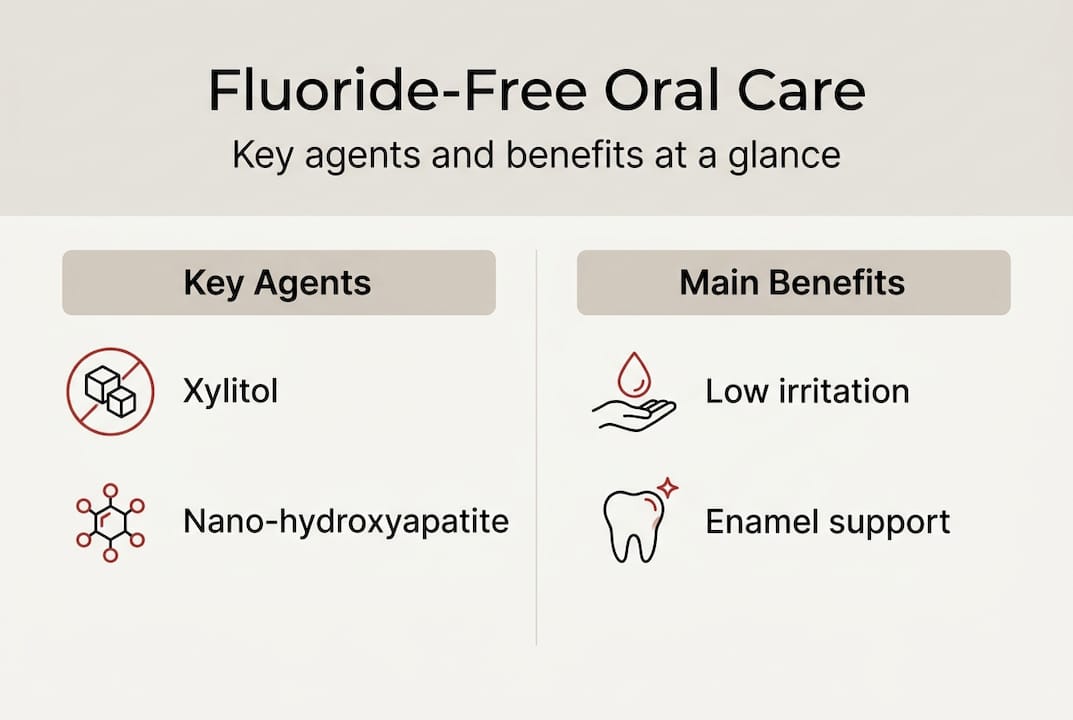
For fluoride-free users, the chemical component warrants careful attention. The ADA mouthrinse recommendations acknowledge multiple active agents, including essential oils and cetylpyridinium chloride, as clinically effective alternatives. Natural agents with strong evidence include:
- Xylitol: Reduces plaque by 46%, cavity risk by 59%, and improves gum health by 21%, making it a primary candidate in fluoride-free protocols.
- Nano-hydroxyapatite (n-HA): Remineralizes enamel by integrating directly into tooth structure, mimicking natural mineral composition. The hydroxyapatite toothpaste guide provides a thorough review of its mechanism and clinical data.
- Botanical and essential oil extracts: Tea tree oil, neem, and clove demonstrate antimicrobial activity against key periodontal pathogens.
- Dead Sea minerals: Emerging evidence supports their role in reducing oral inflammation and supporting tissue integrity.
The fluoride-free care benefits are well-documented when protocols are built around these evidence-based agents rather than product marketing claims.
| Agent | Fluoride-free? | Primary benefit | Evidence level |
|---|---|---|---|
| Fluoride | No | Caries prevention, remineralization | High |
| Xylitol | Yes | Plaque reduction, anti-caries | High |
| Nano-hydroxyapatite | Yes | Remineralization, enamel repair | High |
| Essential oils | Yes | Antimicrobial, anti-gingivitis | Moderate-High |
| Chlorhexidine | Yes | Broad antimicrobial | High (short-term) |
Pro Tip: When evaluating a product’s therapeutic value, read the active ingredient list, not just the front-label claims. If the label lists xylitol, n-HA, or clinically studied botanicals with specified concentrations, the product is more likely to deliver measurable results.
When therapeutic oral care goes beyond basic hygiene
Knowing the elements is just the start. Let’s look at real situations where therapeutic care makes the biggest impact.
Certain populations require structured therapeutic protocols because standard hygiene routines are insufficient to manage their oral health risks. These include:
- Individuals with active periodontal disease: Gingivitis and periodontitis involve pathogenic biofilm communities that require targeted antimicrobial intervention, not just mechanical cleaning.
- People undergoing cancer treatment: Cancer/radiation patients need OCIP (oral care intervention protocols) involving soft brushing, moisturizing rinses, and infection prevention agents to delay mucositis and oral complications.
- Individuals with xerostomia (dry mouth): Reduced salivary flow eliminates the mouth’s primary natural defense. Therapeutic protocols compensate with saliva substitutes, xylitol-based stimulants, and remineralizing agents.
- Patients in palliative or end-of-life care: The focus shifts to comfort, infection prevention, and maintaining mucosal integrity. Gentle, natural formulations are often preferred in these contexts.
- Immunocompromised individuals: Recurrent oral infections in this population require consistent antimicrobial protocols that go well beyond standard brushing frequency.
“OCIP oral care protocols delay complications in cancer patients and are vital in palliative care and xerostomia management.”
The natural oral care ingredients applicable across these scenarios share a common profile: low irritation potential, proven antimicrobial or remineralizing activity, and compatibility with sensitive or compromised tissues. For individuals focused on enamel protection naturally, the evidence supports n-HA and xylitol as primary agents even in high-risk contexts. The dentist’s role in palliative care further illustrates how structured oral care protocols extend clinical value beyond routine dentistry.
How to apply therapeutic oral care at home naturally
So, how can you take these insights and put them into practice at home? Here is how to start.
A practical, fluoride-free therapeutic routine follows a logical sequence that addresses biofilm disruption, remineralization, and mucosal support. The following structure reflects person-centered care over one-size-fits-all approaches endorsed in clinical literature:
- Step 1: Mechanical cleaning. Use a soft-bristle brush for two minutes, covering all surfaces. Pair with daily interdental cleaning, either floss or interdental brushes, to access biofilm between teeth.
- Step 2: Therapeutic rinse. Use a xylitol-based or essential-oil mouthwash for 30 to 60 seconds. This addresses residual biofilm and supports a balanced oral microbiome.
- Step 3: Remineralization. Apply an n-HA toothpaste or serum to support enamel integrity. Allow it to remain on teeth briefly before rinsing or spitting.
- Step 4: Saliva stimulation. Chew xylitol gum or use a xylitol lozenge after meals to stimulate salivary flow and buffer acid.
- Step 5: Mucosal support. If dryness or irritation is present, apply a natural oral moisturizing gel or spray to maintain mucosal hydration.
Common errors that undermine natural therapeutic routines include skipping interdental cleaning, using abrasive whitening products that damage enamel, and selecting products based on packaging rather than active ingredients. Resources on switching to fluoride-free naturally, botanicals in fluoride-free toothpaste, and minerals for oral health provide additional guidance for building a well-informed routine.
Pro Tip: Introduce one new product or step at a time over two to three weeks. This allows you to observe how your gums and enamel respond before adding further changes, making it easier to identify what is genuinely working.
A fresh perspective on therapeutic oral care: What most miss
To tie it all together, here is the real insight drawn from years of research and clinical observation.
Most discussions about oral care focus on product comparisons. Fluoride versus no fluoride. Mouthwash A versus mouthwash B. This product-first thinking misses the more consequential variable: the consistency and structure of the protocol itself. A well-formulated xylitol toothpaste used inconsistently will underperform a moderate product used correctly every day.
The bioactive ingredients in oral care matter, but they operate within a biological system that responds to routine, not to single applications. The oral microbiome shifts gradually. Biofilm reorganizes over 24 to 72 hours. Enamel remineralization is a slow, cumulative process. These timelines demand consistency above all else.
Fluoride-free and natural routines are fully capable of being therapeutic, provided they are evidence-based, consistently applied, and personalized to the individual’s specific oral health profile. The error is assuming that switching to a natural product is itself the intervention. The intervention is the structured protocol. The product is the tool.
Find natural therapeutic oral care tailored to you
Ready to put therapeutic oral care principles into action? Here is where you can confidently start.
Not all oral care products deliver genuine therapeutic value. Formulation, ingredient concentration, and clinical backing are what separate functional products from those that simply carry appealing labels.
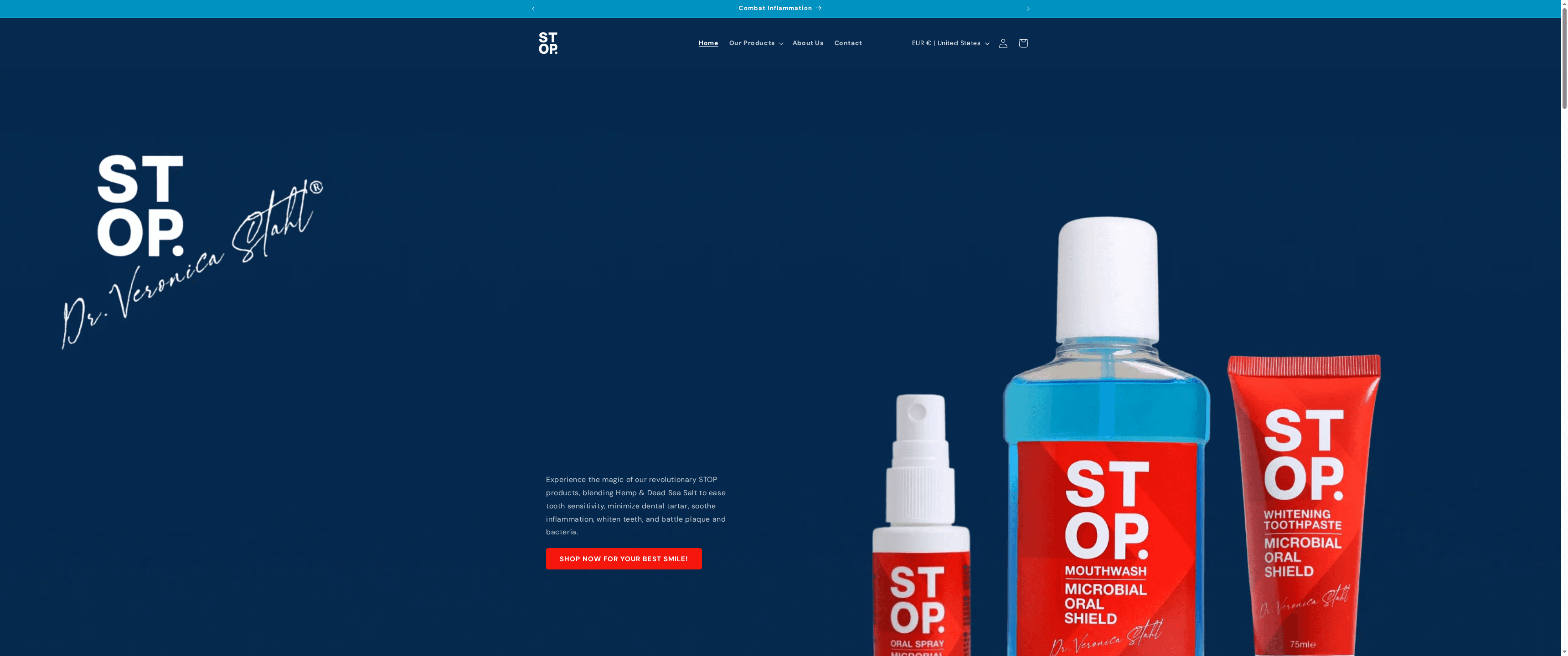
At Stop Oral Care, the product line is built around evidence-based, fluoride-free formulations incorporating hemp and Dead Sea minerals, developed under the guidance of Dr. Veronica Stahl. Each product is designed to function within a structured therapeutic protocol, not as a standalone solution. If you are ready to move beyond basic hygiene and apply a consistent, natural therapeutic routine, reviewing the available therapeutic oral care products is a practical first step toward measurable oral health outcomes.
Frequently asked questions
What makes oral care ‘therapeutic’ instead of just ‘cleaning’?
Therapeutic oral care refers to structured, evidence-based oral hygiene protocols that treat or manage oral diseases rather than simply removing food debris and surface plaque.
Can I achieve good gum health without fluoride?
Yes. Mechanics include mechanical removal, chemical agents, and saliva stimulation using agents like xylitol and nano-hydroxyapatite, which are clinically proven to reduce plaque and support gum health without fluoride.
Who benefits most from therapeutic oral care?
Individuals with gum disease, elevated cavity risk, dry mouth, or complex medical needs gain the most from structured protocols. Cancer/radiation patients need OCIP; focus on comfort, infection prevention in palliative care illustrates how broad the clinical applications are.
Are natural mouthwashes and toothpaste really effective?
Many are. Mechanics include xylitol, n-HA, herbal extracts that are clinically shown to reduce plaque, inhibit bacterial adhesion, and support enamel remineralization when used consistently within a structured routine.