

TL;DR:
- Switching to natural, fluoride-free toothpaste requires a structured, monitored process focused on mechanical hygiene and individual risk factors. Proper baseline assessment, gradual switching, and professional guidance enhance success and reduce sensitivity or mucosal reactions. Ultimately, consistent brushing technique and routine oral care practices are more influential on oral health outcomes than toothpaste composition alone.
For individuals managing tooth sensitivity or seeking to reduce their exposure to synthetic additives, identifying a toothpaste that is both gentle and clinically effective presents a genuine clinical and consumer challenge. The fluoride-free market has expanded considerably, yet the variability in formulation quality, active ingredient profiles, and supporting evidence makes selection complex. This guide presents a systematic, evidence-informed approach to transitioning away from conventional toothpaste, with particular attention to fluoride-free alternatives such as hydroxyapatite, proper preparation protocols, and objective methods for monitoring oral health outcomes throughout the process.
Table of Contents
- Why consider natural toothpaste?
- Preparation: What you need before switching
- Step-by-step: How to switch to natural toothpaste
- What to expect and how to track your results
- Why the ‘natural’ vs. ‘conventional’ toothpaste debate misses the real point
- Try natural oral care with expert guidance
- Frequently asked questions
Key Takeaways
| Point | Details |
|---|---|
| Choose evidence-based alternatives | Hydroxyapatite is the best supported fluoride-free option for sensitive teeth. |
| Transition gradually and track | Start with slow changes, monitor your comfort, and maintain strong hygiene throughout the switch. |
| Brushing habits matter most | Consistent brushing and flossing play a bigger role than toothpaste brand for overall oral health. |
| Consult when in doubt | Talk to a dental professional if you have high risk or persistent irritation during the switch. |
Why consider natural toothpaste?
The motivations for transitioning to natural vs conventional toothpaste are varied and frequently intersect clinical, personal, and precautionary concerns. Among the most commonly cited reasons are the desire to avoid synthetic detergents such as sodium lauryl sulfate (SLS), which can exacerbate oral mucosal irritation; the management of chronic tooth sensitivity; and a preference for limiting systemic fluoride intake, particularly in households with young children or individuals with certain metabolic conditions.
Common reasons consumers transition to natural toothpaste formulations include the following:
- Reduction of SLS exposure, which is associated with increased aphthous ulcer frequency in susceptible individuals
- Management of dentinal hypersensitivity through gentler abrasive and active ingredient profiles
- Preference for mineral-based remineralization agents such as hydroxyapatite (HAp), calcium phosphate, and Dead Sea mineral complexes
- Avoidance of artificial dyes, preservatives, and flavoring agents that may provoke contact allergies
- Alignment with broader gentle detox trends and natural wellness philosophies supported by emerging nutritional science
Concerns about the efficacy of fluoride-free products are well-founded but addressable. Fluoride-free hydroxyapatite toothpastes represent the most evidence-supported alternative currently available, and some clinical evidence supports HAP toothpaste as a potential alternative, though outcomes can be mixed depending on individual risk profiles and compliance. It is critical to recognize that brushing technique, frequency, and adjunctive hygiene practices contribute substantially more to caries prevention than toothpaste composition alone. A well-executed mechanical plaque removal regimen using a soft-bristled brush will consistently outperform superior toothpaste chemistry applied with poor technique.
Key statistic: Approximately 45% of adults report some degree of tooth sensitivity, making the selection of appropriate abrasive agents and active ingredients in toothpaste a clinically relevant decision for a large segment of the population.
Now that we’ve set the stage for switching, let’s clarify what you’ll need to get started.
Preparation: What you need before switching
A structured preparatory phase substantially improves the likelihood of a successful and complication-free transition. Attempting to switch products without baseline assessment or realistic expectation-setting frequently results in premature discontinuation or misattribution of pre-existing oral conditions to the new product. Following a transition to natural oral care that is gradual and monitored has consistently produced better outcomes than abrupt substitution.
The following items and actions constitute a recommended preparation checklist before initiating the transition:
- New natural toothpaste formulation: Select a product with verified active ingredients, preferably hydroxyapatite at a concentration between 10% and 15%
- Soft-bristled toothbrush: Essential for minimizing mechanical trauma to exposed dentin and inflamed gingival tissue
- Dental floss or interdental brushes: Adjunctive plaque control cannot be substituted by toothpaste alone
- Baseline oral health assessment: Document current sensitivity levels, gingival condition (redness, bleeding on probing), and plaque accumulation patterns
- Symptom tracking log: A simple notebook or digital record to log weekly sensitivity scores, gum response, and any unusual reactions
Tracking parameters at the outset is not merely procedural. It establishes an objective reference point against which improvements or deteriorations can be assessed. Many individuals who skip baseline assessment subsequently cannot distinguish new sensitivity from pre-existing conditions, which compromises their ability to evaluate the product fairly.
| Parameter | Baseline assessment method | Frequency of reassessment |
|---|---|---|
| Tooth sensitivity | Visual analog scale (0-10) | Weekly for first 4 weeks |
| Gingival bleeding | Count sites that bleed on flossing | Every 2 weeks |
| Plaque accumulation | Disclosing tablet visualization | Every 2 weeks |
| Mucosal irritation | Visual inspection of soft tissues | Weekly |
Setting realistic expectations is equally important. A brief adjustment period of 1 to 2 weeks is normal, particularly if the new formulation lacks SLS, as individuals accustomed to heavy foaming may initially perceive reduced cleaning efficacy, though this perception is not correlated with actual plaque removal outcomes. Following a structured oral hygiene checklist ensures that all preventive behaviors remain consistent throughout the transition period and are not inadvertently disrupted by the focus on product substitution.

Per evidence-based switching guidance, a gradual trial approach with active monitoring of irritation and sensitivity, alongside maintaining consistent preventive habits, is the most practical and clinically sound method for transitioning toothpaste formulations. Professional dental prophylaxis conducted immediately before and approximately 6 to 8 weeks after the transition provides the most objective assessment of plaque control outcomes.
Pro Tip: Schedule a professional cleaning or dental consult before initiating the switch, especially if you have active caries, a history of recurrent sensitivity, or existing restorations. Post-switch evaluation at 6 to 8 weeks provides objective data on whether your plaque control has remained stable under the new formulation.
With the groundwork set, let’s walk through the step-by-step process of making the actual switch.
Step-by-step: How to switch to natural toothpaste
The transition protocol below is designed to minimize sensitivity responses, allow mucosal and periodontal tissues to adjust, and provide interpretable data on product performance. Abrupt full substitution on day one is not recommended, particularly for individuals with moderate to severe dentinal hypersensitivity or active gingival inflammation.
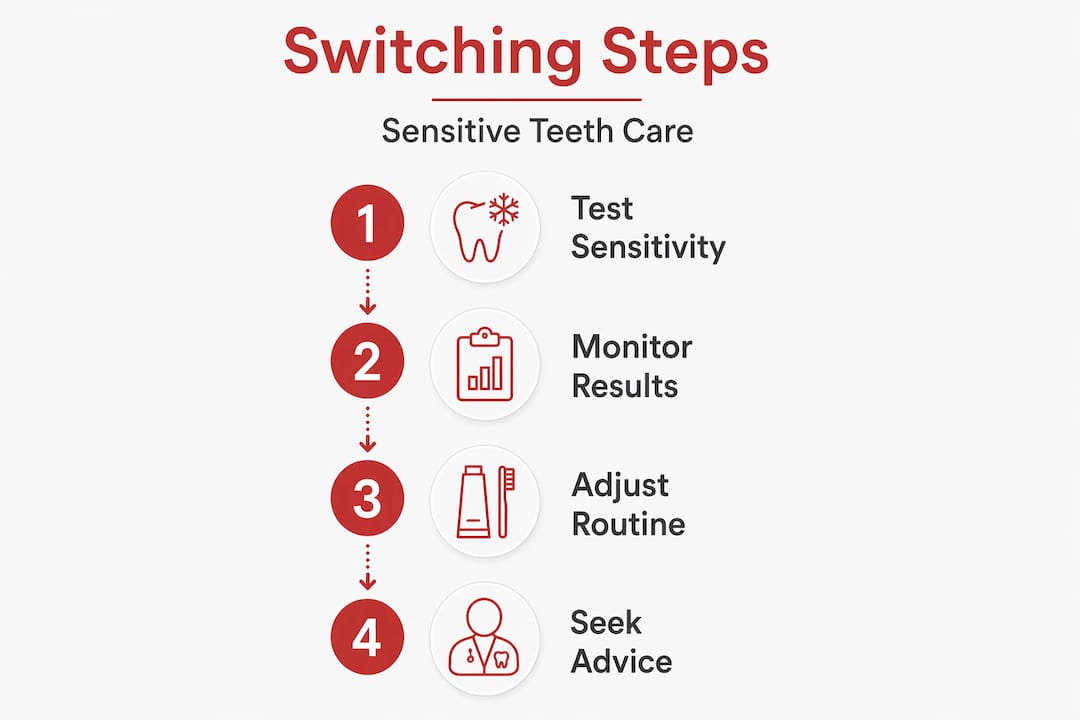
- Days 1 to 7: Alternate-day use. Use the natural toothpaste for one brushing session per day (morning), continuing with your previous toothpaste for the evening session. This allows acclimatization without full exposure.
- Days 8 to 14: Twice-daily use with monitoring. Transition to using the natural toothpaste for both morning and evening sessions. Record any changes in sensitivity or gingival response in your tracking log.
- Weeks 3 to 4: Full substitution and evaluation. The previous toothpaste is fully discontinued. Continue monitoring and complete a disclosing tablet evaluation at the end of week 4 to assess plaque control.
- Week 6 to 8: Professional reassessment. Schedule a dental review if feasible to obtain objective probing depths, bleeding scores, and radiographic comparison if appropriate.
- Ongoing: Consistent technique reinforcement. Regardless of the toothpaste used, brushing for a minimum of two minutes with a modified Bass technique, combined with daily interdental cleaning, remains the most critical determinant of oral health outcomes.
Choosing fluoride-free toothpaste formulations that are appropriate for individual risk profiles involves assessing abrasive index (RDA), active ingredient concentration, and the absence of known irritants. Individuals considering a switch to fluoride-free dental care should be aware that the ADA states that toothpastes with ADA Seal of Acceptance for anticaries claims are required to contain fluoride, which means fluoride-free products will not carry this designation regardless of their clinical performance.
Important clinical note: For children under 8 years old, individuals undergoing active orthodontic treatment, or adults with high caries risk scores, professional guidance is strongly recommended before transitioning away from fluoride-containing toothpaste. If any increase in sensitivity, mucosal lesions, or plaque accumulation is observed during the transition, consultation with a dental professional should not be delayed. Dentists consistently recommend that consistent brushing and flossing remain the foundation of cavity prevention regardless of toothpaste type.
| Scenario | Recommended action | Timeline |
|---|---|---|
| Mild initial sensitivity | Continue protocol, monitor weekly | Reassess at 2 weeks |
| Persistent mucosal irritation | Discontinue, consult dentist | Immediate |
| Increased plaque detection | Review brushing technique and frequency | Within 1 week |
| No change or improvement | Continue current protocol | Evaluate at 8 weeks |
Pro Tip: If you observe that sensitivity worsens beyond your baseline score by 2 or more points on a 10-point scale during week 2, revert to alternate-day use for an additional week before attempting full substitution again. This graduated re-exposure reduces the likelihood of product abandonment due to transient reactions.
After making the switch, understanding what results to expect and how to monitor your progress is crucial.
What to expect and how to track your results
Objective monitoring is the most reliable method for evaluating whether a natural toothpaste formulation is maintaining or improving oral health parameters. Subjective impressions of freshness or comfort, while clinically relevant patient-reported outcomes, should be complemented by measurable indicators wherever possible.
Expected observations during the first 4 to 8 weeks of using a well-formulated hydroxyapatite for sensitive teeth formulation include:
- Reduced sensitivity: HAp particles integrate with exposed dentin tubules, occluding them over time and reducing thermal and tactile sensitivity
- Improved gingival comfort: Removal of SLS and artificial abrasives frequently reduces mucosal inflammation in susceptible individuals
- Consistent or improved plaque control: Provided brushing technique remains rigorous, plaque scores should not increase
- Enhanced subjective freshness: Many mineral-based formulations produce a clean sensation without artificial masking agents
Warning signs that warrant product reassessment or professional consultation include persistent mucosal irritation beyond 14 days, a measurable increase in plaque accumulation (confirmed by disclosing tablet), new or worsening dentinal sensitivity despite HAp use, or any gingival bleeding that increases beyond baseline values.
| Monitoring metric | Favorable outcome | Unfavorable outcome |
|---|---|---|
| Sensitivity (VAS 0-10) | Stable or decreasing by week 4 | Increase of 2+ points by week 2 |
| Gingival bleeding sites | Stable or reduced | Increasing |
| Plaque score | Stable or reduced | Increasing |
| Mucosal appearance | No lesions, pink and firm tissue | Ulceration, redness, or swelling |
Hydroxyapatite is a promising fluoride-free alternative for caries prevention, but its benefits are contingent on consistent daily use combined with effective plaque control. A detailed comparison of hydroxyapatite vs fluoride demonstrates that outcomes are substantially mediated by compliance and hygiene frequency rather than by the active ingredient alone.
Evidence note: Population data from natural wellness outcome tracking indicates that individuals who establish a structured monitoring protocol at the outset of a wellness routine change are significantly more likely to maintain consistent compliance at 3 months compared to those who adopt a product change without documentation.
With a clear picture of success and potential pitfalls, it’s time to take a step back and challenge the assumptions surrounding natural toothpaste selection.
Why the ‘natural’ vs. ‘conventional’ toothpaste debate misses the real point
The binary framing of natural versus conventional toothpaste obscures the more clinically meaningful variables that actually determine oral health outcomes. Product label categories are marketing constructs, not clinical classifications. Whether a toothpaste is designated “natural” or “conventional” does not determine its protective capacity nearly as much as the mechanical behaviors of the individual using it.
The evidence is consistent: brushing frequency, duration, and technique, combined with daily interdental cleaning and regular professional monitoring, constitute the primary determinants of caries prevention and periodontal health. As consistent prevention remains primary, the categorization of the active agent becomes a secondary variable. Fluoride-free does not automatically mean reduced protection when compliance and plaque control remain rigorous.
This perspective is particularly relevant for individuals who invest significant cognitive and financial resources in selecting the “perfect” natural toothpaste while neglecting the mechanical hygiene routines that support it. A suboptimal toothpaste used with excellent brushing technique will consistently outperform a clinically superior formulation applied with insufficient frequency or poor mechanical action. Following natural oral care steps in a structured daily sequence ensures that product selection becomes one component of a comprehensive approach rather than the defining variable.
For individuals with elevated caries risk, including those with xerostomia, active orthodontic treatment, or a documented history of frequent caries, risk-stratified prevention planning developed in collaboration with a dental professional provides more meaningful guidance than any consumer-level product selection process. In this context, the choice between hydroxyapatite and fluoride is properly situated within a broader clinical risk assessment, not a standalone consumer decision.
Pro Tip: Think of toothpaste as a delivery vehicle for active agents, not as a treatment system. The therapeutic work is done primarily by the mechanical action of the brush and the consistency of the user’s daily routine.
Try natural oral care with expert guidance
The transition to natural oral care is more straightforward when supported by evidence-informed resources, structured protocols, and product formulations with verified ingredient profiles.
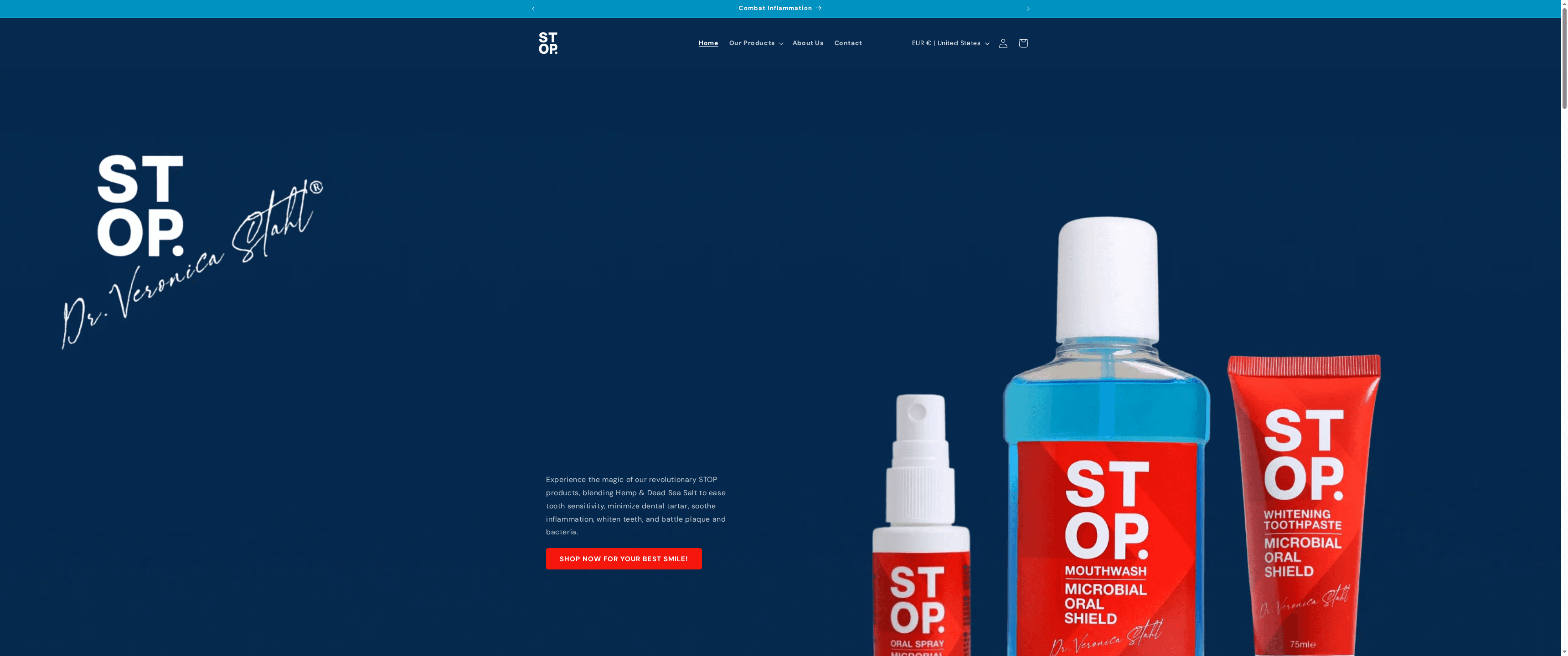
Stop Oral Care provides a professionally curated range of fluoride-free toothpaste formulations, including products combining hydroxyapatite with hemp-derived compounds and Dead Sea mineral complexes, developed under the guidance of Dr. Veronica Stahl. Each product line is supported by a detailed fluoride-free toothpaste guide designed to help health-conscious consumers make evidence-based decisions at every stage of their transition. Whether you are beginning the evaluation process or refining an existing natural oral care routine, the platform offers structured educational content and product recommendations tailored specifically to individuals managing sensitivity, gingival vulnerability, and a preference for clinically substantiated natural formulations.
Frequently asked questions
Is switching to natural toothpaste safe for sensitive teeth?
Yes, when you select a gentle, well-formulated product such as a hydroxyapatite-based toothpaste and follow a gradual introduction protocol, switching is generally safe. Hydroxyapatite toothpaste can reduce sensitivity without fluoride by occluding exposed dentin tubules over time.
How long does it take to see results after switching?
Most individuals report noticeable improvements in comfort and perceived freshness within 2 to 4 weeks, though gum health and plaque scores should be tracked for a minimum of 8 to 12 weeks. A gradual, monitored switch with consistent documentation consistently produces the most interpretable and positive outcomes.
Is fluoride-free toothpaste as effective as fluoride toothpaste?
Hydroxyapatite-based toothpaste has demonstrated non-inferior caries prevention in several controlled clinical trials, though outcome variability depends on individual oral health risk and compliance. Specifically, HAP was not inferior to fluoride in multiple clinical studies included in systematic reviews.
Do I need to talk to my dentist before switching?
A dental consultation is advisable, particularly for individuals with elevated caries risk, existing restorations, or active periodontal disease. Dentists recommend consultation for all higher-risk patients considering a transition away from fluoride-containing products.
What should I do if I notice irritation or more sensitivity after switching?
Discontinue the product immediately, revert to your previous formulation if necessary, and schedule a consultation with a dental professional to rule out allergic contact stomatitis or early carious lesions. Monitor irritation closely and do not attempt a second trial of the same formulation without professional guidance.
Recommended
- Natural Toothpaste for Sensitive Teeth: 85% Relief Guide – Stop Oral Care
- Choose safe toothpaste for sensitive teeth in 2026 – Stop Oral Care
- The Benefits of Hydroxyapatite Toothpaste for Sensitive Teeth: A Compr – Stop Oral Care
- 7-Step Oral Health Checklist for Sensitive Teeth Care – Stop Oral Care