

Maintaining strong, mineral-rich teeth without fluoride presents a challenge for individuals seeking natural oral care alternatives. Enamel demineralization from dietary acids and bacterial activity weakens tooth structure, increasing susceptibility to sensitivity and decay. This guide provides evidence-based protocols for rebuilding and preserving enamel’s mineral content through hydroxyapatite-based interventions, xylitol supplementation, and strategic oral hygiene practices. The following sections outline the scientific rationale, necessary materials, step-by-step implementation, common errors, and measurable outcomes for achieving mineral-rich teeth through fluoride-free methods.
Table of Contents
- Why minerals matter for strong teeth
- Essential supplies for mineral-rich teeth
- Step-by-step guide to naturally remineralize your teeth
- Pitfalls to avoid and troubleshooting tips
- What results to expect and how to measure success
- Upgrade your fluoride-free routine with proven products
- Frequently asked questions
Key Takeaways
| Point | Details |
|---|---|
| Prioritize hydroxyapatite | Hydroxyapatite toothpaste offers fluoride-free mineralization that strengthens enamel naturally. |
| Use xylitol daily | Xylitol gum or rinses help stimulate saliva and reduce cavity-causing bacteria. |
| Consistency delivers results | Sticking to a natural routine daily can yield noticeable improvements in weeks. |
| Combine methods for best effect | Using hydroxyapatite, xylitol, and remineralizing rinses offers synergistic protection for your teeth. |
Why minerals matter for strong teeth
Dental enamel consists primarily of hydroxyapatite, a crystalline calcium phosphate mineral that provides structural integrity and resistance to mechanical stress. Demineralization occurs when acidic conditions dissolve these mineral crystals, creating microscopic defects in the enamel matrix. Bacterial metabolism of dietary sugars produces organic acids that lower oral pH below the critical threshold of 5.5, initiating mineral loss from the tooth surface.
Remineralization represents the biological process by which calcium and phosphate ions redeposit into demineralized enamel, restoring its crystalline structure. Saliva serves as the primary delivery mechanism for these ions, maintaining a supersaturated mineral solution that promotes crystal growth in areas of previous mineral loss. Hydroxyapatite rebuilds natural enamel more effectively than fluorapatite in certain clinical scenarios, particularly for early enamel lesions.
Natural remineralization strategies focus on three mechanisms:
- Delivering bioavailable hydroxyapatite directly to enamel surfaces
- Stimulating saliva production to increase mineral ion availability
- Reducing bacterial acid production through antimicrobial interventions
- Maintaining optimal oral pH to prevent further demineralization
“The mineral composition of enamel determines its resistance to carious attack. Hydroxyapatite provides the structural framework, while remineralization protocols aim to restore this framework after acid challenge.”
Understanding these mechanisms allows for targeted interventions that support enamel protection without fluoride through scientifically validated approaches. The subsequent section identifies the specific materials required to implement these protocols effectively.
Essential supplies for mineral-rich teeth
Implementing a fluoride-free remineralization protocol requires specific dental care products formulated with bioactive minerals and antimicrobial compounds. Commercial hydroxyapatite toothpaste represents the primary intervention, delivering nano-sized or micro-sized hydroxyapatite particles that integrate into enamel defects. These particles range from 20 to 80 nanometers in diameter, allowing penetration into subsurface lesions where remineralization is most critical.
Xylitol-based products provide secondary support through bacterial inhibition and saliva stimulation. Xylitol, a five-carbon sugar alcohol, disrupts Streptococcus mutans metabolism, reducing acid production by approximately 50% compared to sucrose exposure. Daily xylitol consumption of 5 to 10 grams distributed across multiple exposures demonstrates optimal efficacy for caries prevention.
| Product Category | Active Ingredient | Primary Function | Recommended Frequency |
|---|---|---|---|
| Hydroxyapatite toothpaste | Nano-HAP or micro-HAP | Direct mineral deposition | Twice daily |
| Xylitol gum | Xylitol 1-2g per piece | Saliva stimulation, bacterial inhibition | After meals, 3-5 times daily |
| Remineralizing mouthwash | Calcium phosphate, xylitol | Mineral delivery, pH buffering | Once daily |
| Coconut oil | Medium-chain triglycerides | Bacterial reduction (optional) | 3-4 times weekly |
Commercial remineralizing toothpaste options provide consistent mineral concentrations and particle sizes compared to DIY formulations, which may lack standardization in active ingredient delivery. While homemade preparations incorporating calcium phosphate and xylitol are feasible, commercial products undergo stability testing and particle size optimization that enhances clinical efficacy.
Additional supplies include:
- Soft-bristled toothbrush to minimize enamel abrasion
- Interdental cleaners for interproximal mineral delivery
- pH test strips to monitor oral acidity levels
- Tongue scraper to reduce bacterial load
Pro Tip: Select hydroxyapatite toothpaste with nano-HAP concentrations between 10% and 15% for optimal remineralization potential. Lower concentrations may provide insufficient mineral delivery, while higher concentrations do not demonstrate proportional increases in efficacy.
With appropriate materials assembled, the following section details the sequential implementation of these interventions for maximum remineralization effect.
Step-by-step guide to naturally remineralize your teeth
A systematic approach to enamel remineralization requires consistent application of evidence-based protocols that maximize mineral deposition while minimizing demineralization events. The following sequence represents the optimal implementation strategy based on current clinical research.
-
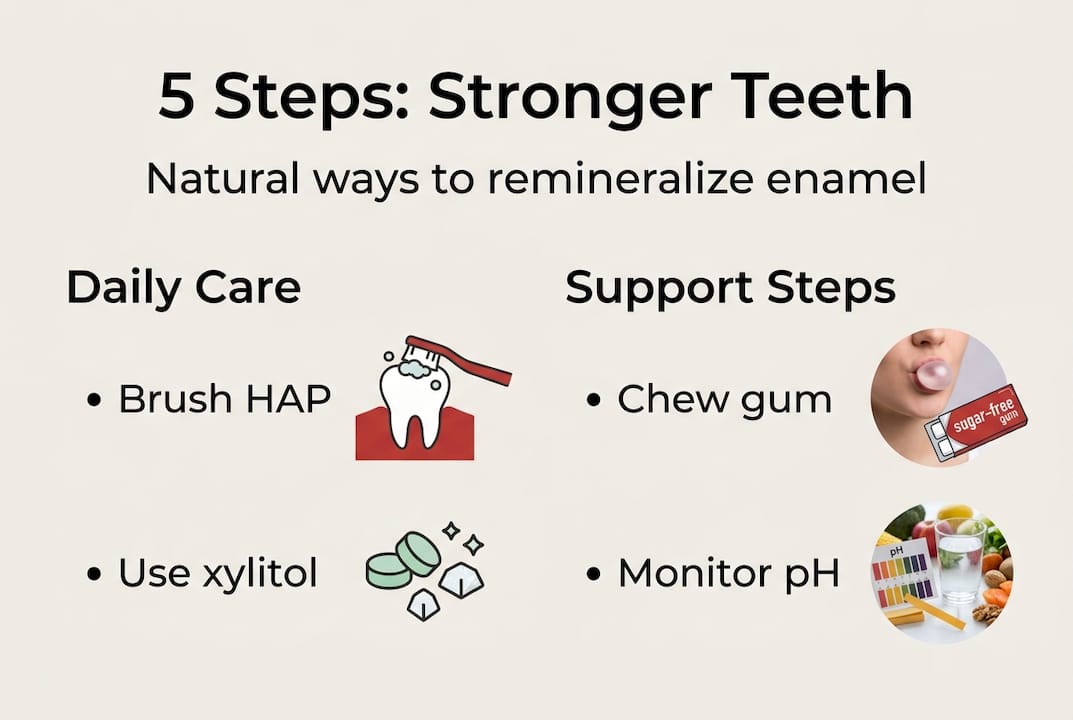
Morning brushing protocol: Apply hydroxyapatite toothpaste to a soft-bristled brush and clean all tooth surfaces for a minimum of two minutes. Hydroxyapatite deposits minerals directly into enamel defects, with contact time correlating to mineral uptake. Use gentle circular motions at a 45-degree angle to the gum line, ensuring thorough coverage of buccal, lingual, and occlusal surfaces.
-
Post-meal xylitol supplementation: Chew xylitol gum containing 1 to 2 grams of xylitol for 5 to 10 minutes after breakfast, lunch, and dinner. This stimulates saliva flow, which delivers calcium and phosphate ions to tooth surfaces while raising oral pH above the critical demineralization threshold. Distribute total daily xylitol intake across multiple exposures rather than single-dose consumption for sustained antimicrobial effect.
-
Evening remineralization rinse: Following dinner, rinse with a xylitol-based or calcium phosphate mouthwash for 60 seconds. This extends mineral availability beyond brushing intervals and provides additional bacterial inhibition during overnight periods when saliva production decreases. Remineralizing mouthwash formulations should contain bioavailable calcium and phosphate in ratios that promote hydroxyapatite formation.
-
Evening brushing protocol: Repeat the morning brushing procedure before bed, ensuring removal of bacterial biofilm accumulated throughout the day. Avoid rinsing immediately after brushing to allow extended contact between hydroxyapatite particles and enamel surfaces. The residual toothpaste provides continued mineral delivery during sleep.
-
Optional oil pulling: Three to four times weekly, swish one tablespoon of coconut oil for 10 to 20 minutes before morning brushing. While evidence for direct remineralization remains limited, coconut oil demonstrates antimicrobial properties against oral pathogens, potentially reducing acid production that drives demineralization.
| Intervention | Timing | Duration | Primary Outcome |
|---|---|---|---|
| HAP toothpaste | Morning, evening | 2 minutes | Mineral deposition |
| Xylitol gum | After meals | 5-10 minutes | Saliva stimulation, bacterial inhibition |
| Remineralizing rinse | Evening | 60 seconds | Extended mineral availability |
| Oil pulling | 3-4x weekly | 10-20 minutes | Bacterial reduction |
Pro Tip: Nano-HAP demonstrates superior remineralization compared to fluoride in randomized controlled trials, particularly for early enamel lesions. Select products specifically formulated with nano-sized particles for enhanced penetration into subsurface defects.
Consistency determines clinical outcomes more significantly than any single intervention. Daily adherence to this protocol for a minimum of 8 to 12 weeks allows sufficient time for measurable enamel changes. Hydroxyapatite benefits for sensitive teeth typically manifest within 2 to 4 weeks, while structural enamel improvements require extended application periods.
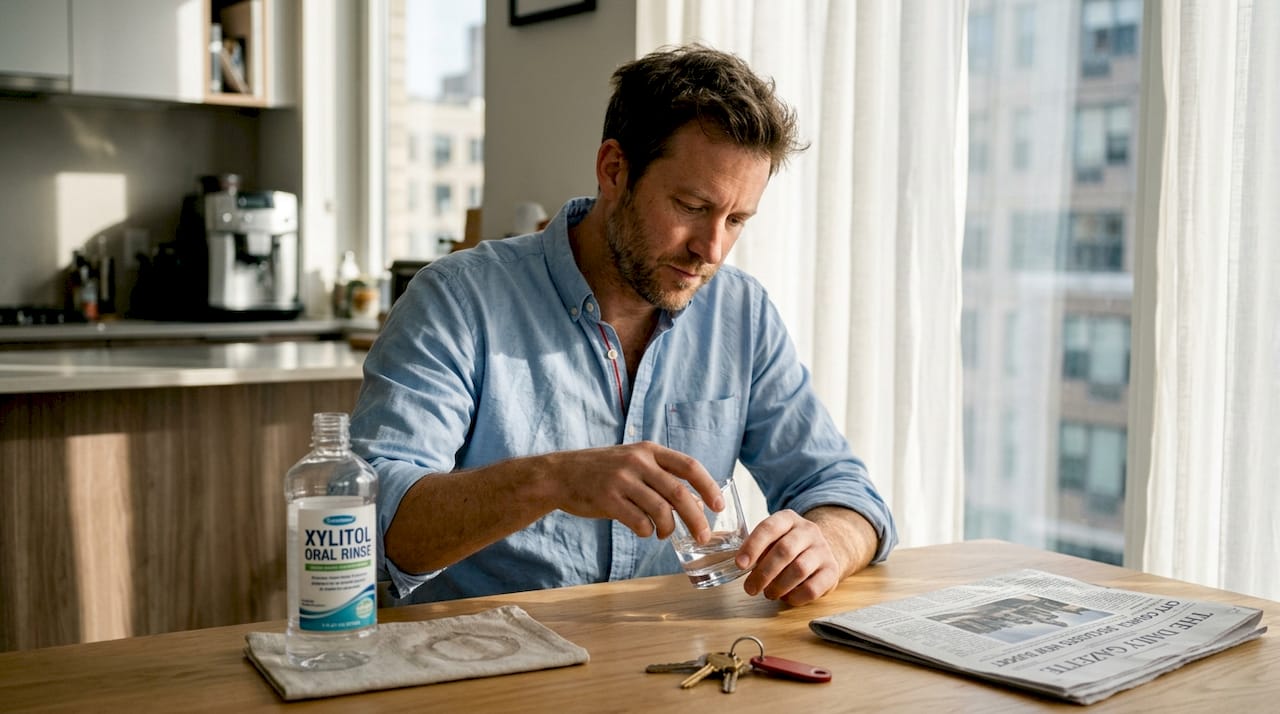
The xylitol mouthwash benefits extend beyond remineralization to include biofilm disruption and pH modulation, creating an oral environment conducive to mineral retention. Integration of multiple interventions produces synergistic effects that exceed individual component efficacy.
Pitfalls to avoid and troubleshooting tips
Common implementation errors compromise remineralization outcomes despite appropriate product selection. Avoiding these mistakes ensures optimal protocol efficacy and prevents inadvertent enamel damage.
Frequent consumption of acidic beverages following brushing negates mineral deposition by immediately lowering oral pH and dissolving newly deposited hydroxyapatite. Coffee, citrus juices, and carbonated drinks should be consumed before brushing or delayed until at least 30 minutes after toothpaste application. If acidic beverage consumption is unavoidable, rinse with water immediately afterward to dilute acid concentration and accelerate pH recovery.
Relying exclusively on oil pulling without hydroxyapatite supplementation fails to provide the mineral substrate necessary for enamel repair. Oil pulling reduces bacteria but does not deliver calcium or phosphate ions required for crystal formation. This intervention serves as an adjunct to, not a replacement for, mineral-based protocols.
Key errors to avoid:
- Inconsistent product application, reducing cumulative mineral exposure
- Excessive enamel abrasion from hard-bristled brushes or aggressive technique
- Immediate post-brushing rinsing, which removes hydroxyapatite particles before integration
- Inadequate xylitol dosing below the 5-gram daily threshold for bacterial inhibition
- Neglecting interdental areas where demineralization frequently initiates
Pro Tip: If sensitivity persists beyond 4 weeks of consistent hydroxyapatite use, evaluate dietary acid exposure and consider professional assessment for underlying pathology. Persistent symptoms may indicate dentin exposure or pulpal inflammation requiring clinical intervention.
“Remineralization protocols require patience and consistency. Enamel changes occur gradually at the molecular level, with clinical improvements manifesting over weeks to months rather than days.”
DIY toothpaste formulations present standardization challenges that may compromise efficacy. Particle size distribution, mineral concentration, and pH stability require precise control difficult to achieve in home preparation. Commercial products provide validated formulations with consistent performance characteristics.
Individuals experiencing minimal improvement should assess compliance with all protocol components. Partial implementation, such as using hydroxyapatite toothpaste without xylitol supplementation, reduces overall efficacy. Fluoride-free dental hygiene requires comprehensive approach integration for optimal outcomes.
Botanical ingredients in toothpaste may provide additional antimicrobial and anti-inflammatory benefits, though their contribution to direct remineralization remains secondary to hydroxyapatite delivery. Select formulations that prioritize mineral content while incorporating botanicals as complementary agents.
What results to expect and how to measure success
Remineralization outcomes manifest through both subjective symptom improvement and objective enamel changes measurable through clinical assessment. Understanding realistic timelines and success indicators allows appropriate expectation setting and protocol adjustment.
Reduced dentin hypersensitivity represents the earliest detectable outcome, typically occurring within 2 to 4 weeks of consistent hydroxyapatite application. As mineral deposits occlude dentinal tubules and reinforce enamel structure, thermal and osmotic stimuli produce diminished pain responses. This improvement serves as an early indicator of protocol efficacy.
Enamel surface characteristics change gradually over 8 to 12 weeks, with increased smoothness and luster indicating successful mineral deposition. Visual inspection may reveal reduced opacity of white spot lesions as subsurface remineralization progresses. These changes reflect hydroxyapatite integration into previously demineralized areas.
Expected outcomes:
- Decreased sensitivity to temperature extremes and sweet foods
- Smoother enamel texture upon tactile examination
- Reduced progression of existing white spot lesions
- Lower incidence of new carious lesion formation
- Improved enamel microhardness on professional testing
Clinical assessment through dental examination provides objective measurement of remineralization success. Dentists may employ laser fluorescence devices or quantitative light-induced fluorescence to measure mineral density changes in enamel. These technologies detect subsurface mineral content alterations not visible through standard visual examination.
| Timeline | Expected Outcome | Measurement Method |
|---|---|---|
| 2-4 weeks | Reduced sensitivity | Subjective symptom reporting |
| 6-8 weeks | Surface smoothness | Tactile examination |
| 8-12 weeks | White spot regression | Visual inspection, fluorescence |
| 12+ weeks | Increased microhardness | Professional hardness testing |
Chewing xylitol gum stimulates saliva production, which accelerates mineral delivery and pH buffering. Individuals with reduced salivary flow may experience slower remineralization rates, requiring extended protocol duration for equivalent outcomes.
Consistency determines success more significantly than any individual intervention intensity. Daily protocol adherence produces cumulative effects that compound over time, with mineral deposition occurring incrementally during each application cycle. Interruptions in protocol implementation delay outcomes proportionally.
Professional monitoring through biannual dental examinations allows tracking of carious lesion activity and enamel condition changes. Dentists can identify areas requiring additional intervention and confirm protocol effectiveness through standardized assessment tools. This objective feedback validates subjective improvements and guides protocol modifications.
Enamel repair protocols demonstrate variable individual responses based on baseline enamel condition, dietary factors, and genetic predisposition to demineralization. Realistic expectations account for these variables while maintaining consistent protocol application regardless of immediate visible changes.
Upgrade your fluoride-free routine with proven products
Implementing evidence-based remineralization protocols requires access to formulations specifically designed for mineral delivery and enamel protection. Commercial products developed by dental professionals incorporate optimized hydroxyapatite concentrations, particle size distributions, and complementary ingredients that maximize clinical efficacy.
Hydroxyapatite toothpastes formulated with nano-sized particles demonstrate superior penetration into enamel defects compared to conventional formulations. These products undergo rigorous testing to ensure particle stability, mineral bioavailability, and pH optimization for remineralization support. Professional-grade formulations provide consistent performance that home preparations cannot replicate.
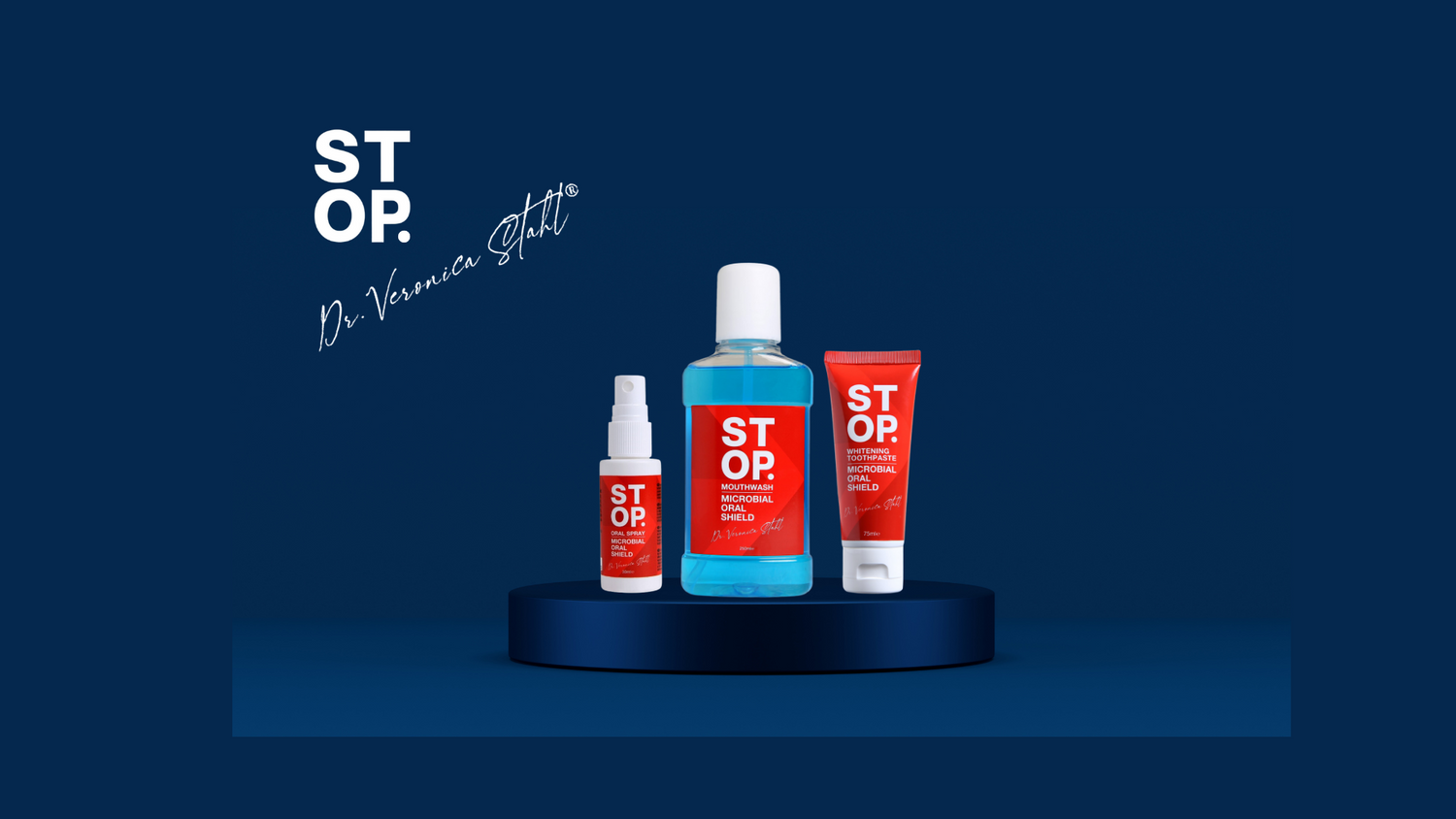
Xylitol-based mouthwashes and rinses extend antimicrobial protection beyond brushing intervals, maintaining reduced bacterial acid production throughout the day. Products combining xylitol with calcium phosphate compounds deliver dual benefits of bacterial inhibition and direct mineral supplementation. Stop Oral Care solutions integrate these evidence-based ingredients into comprehensive oral care systems designed for fluoride-free enamel protection.
Selecting products backed by clinical research and formulated by dental experts ensures optimal outcomes from remineralization protocols. The investment in quality formulations produces measurable improvements in enamel health, sensitivity reduction, and long-term caries prevention.
Frequently asked questions
Can I rebuild enamel without fluoride?
Yes, hydroxyapatite demonstrates equivalent or superior remineralization compared to fluoride in randomized controlled trials, particularly for early enamel lesions. Clinical studies show nano-HAP increases enamel microhardness more effectively than fluoride gel applications.
How quickly will I notice stronger, mineral-rich teeth?
Reduced sensitivity typically manifests within 2 to 4 weeks of consistent hydroxyapatite use. Structural enamel improvements require 8 to 12 weeks of daily protocol adherence for measurable changes in surface hardness and lesion regression.
Is oil pulling effective for remineralizing teeth?
Oil pulling reduces oral bacteria but does not directly remineralize enamel. It serves as a supplementary antimicrobial intervention rather than a primary remineralization strategy, as it provides no mineral substrate for enamel repair.
What role does xylitol play in mineral-rich teeth?
Xylitol stimulates saliva production and inhibits Streptococcus mutans metabolism, reducing acid production by approximately 50%. This creates an oral environment conducive to natural remineralization while delivering minerals through enhanced salivary flow.
How do I know if my remineralization protocol is working?
Decreased sensitivity to thermal and osmotic stimuli within 2 to 4 weeks indicates early success. Professional dental assessment using fluorescence technology or microhardness testing provides objective confirmation of enamel mineral density improvements over 8 to 12 weeks.
Recommended
- The Complete Guide to Remineralizing Toothpaste Without Fluoride – Stop Oral Care
- How to Improve Gum Health Naturally: Simple Steps for a Brighter Smile – Stop Oral Care
- 7-Step Oral Hygiene Checklist for Adults Seeking Natural Care – Stop Oral Care
- How to Whiten Teeth Naturally at Home: Simple Steps for a Brighter Smi – Stop Oral Care
- 7 korakov za popoln checklist za zobno higieno doma